


Top-rated roofers.

Get matched with top roofers in New Era, MI

Enter your zip and get matched with up to 5 pros

Need a pro for your roofing project in New Era, MI?

Select your specific project to find the pro for you.

TRUSTED BY NEW ERA, MI HOMEOWNERS

  • Average homeowner rating star icon4.2
    Average homeowner rating
  • Verified reviews icon76
    Verified roofing services reviews

Find Roofers in New Era

Avatar for 1-800-HANSONS (Grand Rapids)
1-800-HANSONS (Grand Rapids)
4.0(
708
)
Asphalt Shingle Roofing - Install or Replace

Serving New Era, MI and surrounding areas

Approved (Corporate)

In business since 1988

Free estimates

Credit card accepted

"My only complication was having to contact Leaf Filter to take off the gutter guards and ran into trouble coordinating between both companies. Hanson's did a good job of communicating quickly by phone and gave good customer service. My new roof looks great!"
Replacement window
Bow windows
Roofing and siding
Roofing and siding
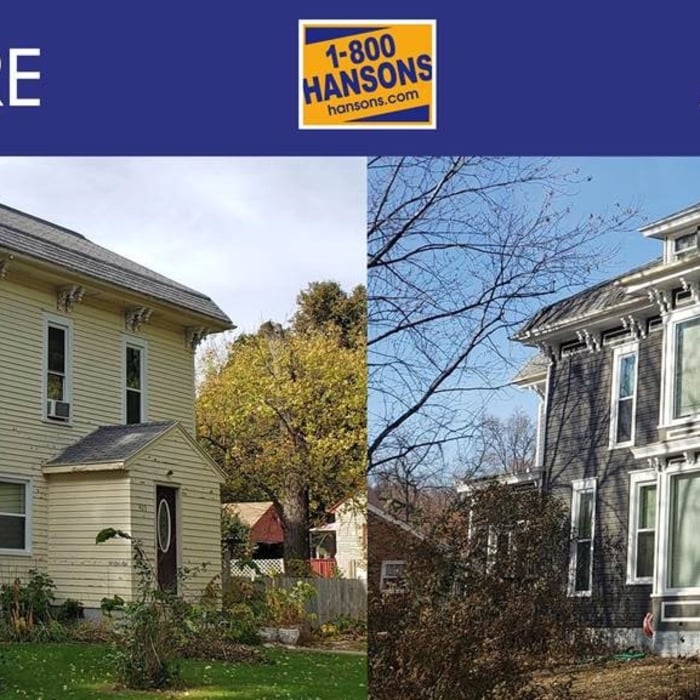
Before & After

+24

8 neighbors recently requested a quote
Recommended by86%of homeowners
Avatar for One Way Exteriors MI 1 LLC
One Way Exteriors MI 1 LLC
5.0(
6
)
Asphalt Shingle Roofing - Install or Replace

Serving New Era, MI and surrounding areas

Approved

In business since 2025

Free estimates

Emergency services offered

"Chris and Joe did a great job. Very efficient & on time. Called us and let us know they were ten minutes out before arriving. Very pleased with the gutters and the snow fence we had put up. Highly recommend. Thank you job well done. Tina & David Hitsman"
Recent Window Job
Recent Window Job
Recent Window Job
Recent Window Job
Recent Window Job

+13

Response time1 day
Response rate100%
33 neighbors recently requested a quote
...
Showing 1-10 of 110
Roofing questions, answered by experts

Homeowners insurance sometimes covers roof decking, but it depends on the cause of damage and whether the decking was properly installed. If the roof decking was damaged by a severe storm, then it will likely be covered. Insurance may also pay for roof decking work if building codes require it. However, insurance won’t cover damage caused by normal wear and tear or poor maintenance practices.

You shouldn’t put a new roof underlayment over an old one for a few reasons. Old felt must be removed in order to assess the condition of your roof decking, such as rotting wood or other structural issues. Also, if your roofer doesn't install a fresh layer of felt as is required by shingle manufacturers, your warranty may be voided. Finally, old underlayment removal is often included in the cost of roof repair or replacement, so there's no real benefit to leaving it on before installing a new layer.

The best roof replacement type depends on your budget and your particular climate, as well as your personal aesthetic. But in general, asphalt shingles are the best roof replacement type for homeowners looking for durability at a budget-friendly price. Asphalt shingles are the most common roofing material—cost-effective, easy to install, lightweight, and the perfect choice for handy homeowners.

Fall is widely considered the best time of year to replace a roof. The moderate temperatures are ideal for roofing crews to work and for new shingles to seal properly. Additionally, autumn weather is often drier, reducing the risk of weather-related delays compared to the rainier spring season.

While spring is also a viable option, the higher chance of rainfall can slow down the project. The main drawback to a fall installation is that it's the peak season for roofers, which can lead to higher prices and scheduling challenges.

To potentially save money, you could consider scheduling your roof replacement during the summer or winter off-seasons. However, both seasons have significant disadvantages. Extreme summer heat can make shingles too soft to handle, while winter's cold, snow, and ice can create dangerous working conditions and prevent shingles from sealing correctly, as they typically require temperatures above 40-45°F.

A roof pitch multiplier is an accurate way to calculate roof square footage, and it’s handy for purchasing the correct amount of materials. To determine your roof pitch multiplier, you'll need to calculate the roof slope, square it, and add it to 144. Next, find the square root of the total and divide it by 12. The answer is your roof pitch multiplier. Once you know the roof pitch multiplier, multiply it by the total square feet of your building to determine the total roof surface area.

The New Era, MI homeowners’ guide to roofing services

From average costs to expert advice, get all the answers you need to get your job done.