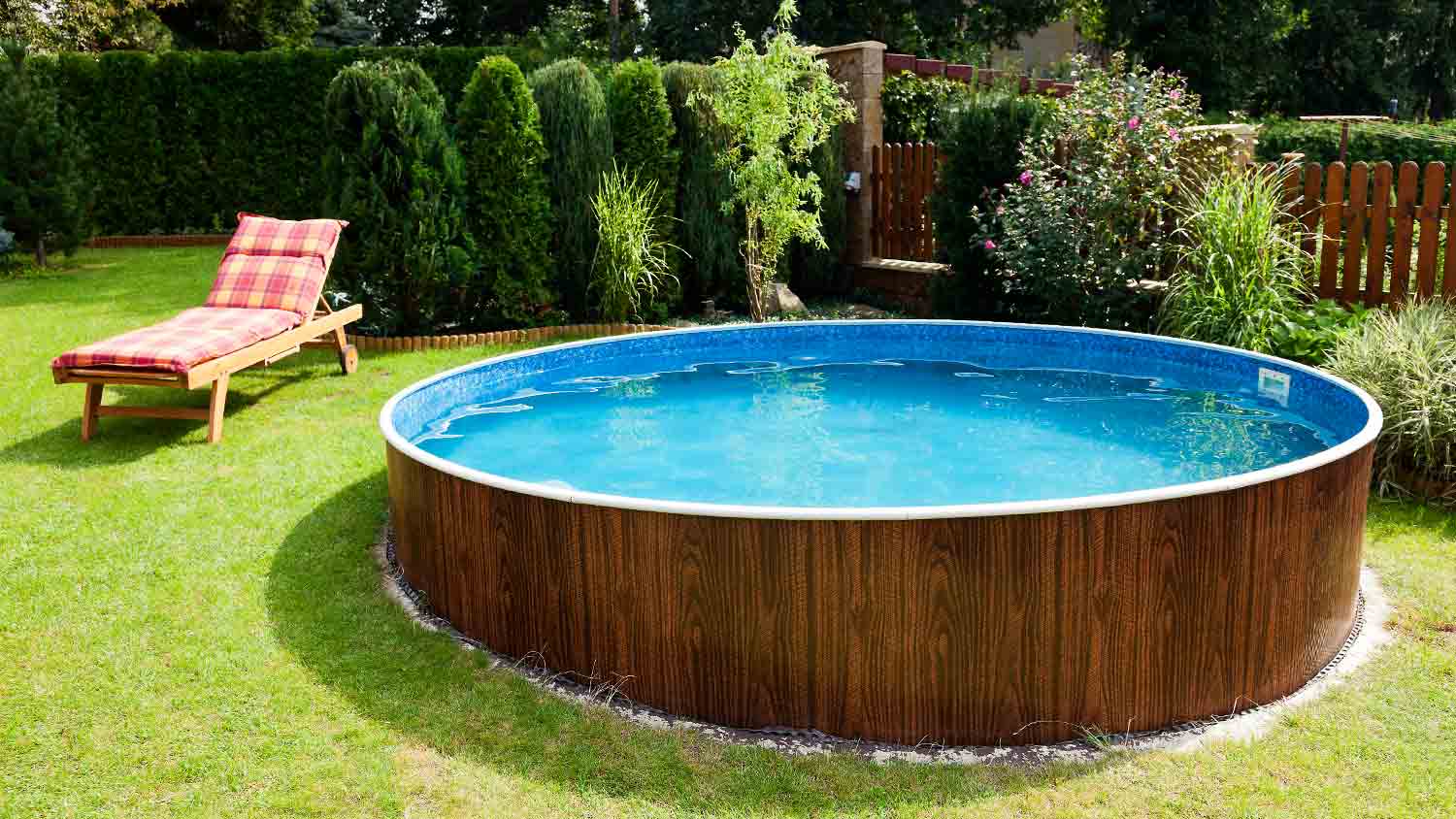





Top-rated above ground pool installation pros.

Best above ground pool installation pros near Manton, MI

Enter your zip and get matched with up to 5 pros

Need a pro for your above ground pool installation project in Manton, MI?

Select your specific project to find the pro for you.

Top-Rated Above ground pool installation pros in Manton - Updated Nov 2026

Install Above Ground Pools FAQs, answered by experts

Most importantly, you should never cut corners when building a pool. Whether it’s an in-ground or aboveground, poorly constructed pools are dangerous to both the swimmers and your property. Leaks can even lead to home foundation damage. While you can DIY smaller elements of pool installation, always hire a contractor to oversee the process.

You should add chlorine within 48 hours of filling your pool with water. In just 24 hours, bacteria and algae will begin to grow and contaminate your water. After that point, you’ll need to shock the water with high levels of chlorine, and you’ll likely need to do additional vacuuming to get the pool clean. It’s important to check your chlorine levels two to three times a week and add more chlorine as needed to maintain a healthy level.

In most states, it is a legal requirement to have a fence around your pool to protect both swimmers and pool owners. These laws can vary by state, city, and county, so you must research the specific regulations in your area before installation. The rules may also differ for inground versus above-ground pools, with inground pools typically requiring a full fence. Additionally, most homeowners' insurance providers will require a fence around a residential pool before providing coverage. As a general rule, it's always best to have a fence for everyone's safety.

Losing some water from splashing and evaporation is normal. However, if you notice a rapid drop in the water level or are adding water more frequently than usual, you might have a leak. Other common signs of a pool leak include:

  • Unexplained soft, mushy, or wet spots in the yard.

  • Cracks in the pool's structure or falling tiles.

  • Higher-than-normal water bills.

  • Persistent algae growth or water discoloration.

  • Standing water near the pump, pipes, or other pool equipment.

Yes, pool pumps use a significant amount of electricity, making them one of the biggest energy consumers in a home. A pool pump can use up to three times as much electricity as a refrigerator. Typically, a residential pool pump consumes about 1 kilowatt-hour (kWh) for every hour it runs. Because pumps often need to run for about eight hours a day to properly filter the water, this can add up to an annual consumption of 3,000 to 5,000 kWh, which can cost between $480 and $800 per year based on average electricity rates.

The amount of electricity your pump uses depends on its size, energy efficiency, and daily run time. To lower your energy consumption, you can choose an energy-efficient or variable-speed pump, ensure it is correctly sized for your pool, and run it only for the minimum time required to keep the water clean.

The Manton, MI homeowners’ guide to above ground pool installation services

From average costs to expert advice, get all the answers you need to get your job done.