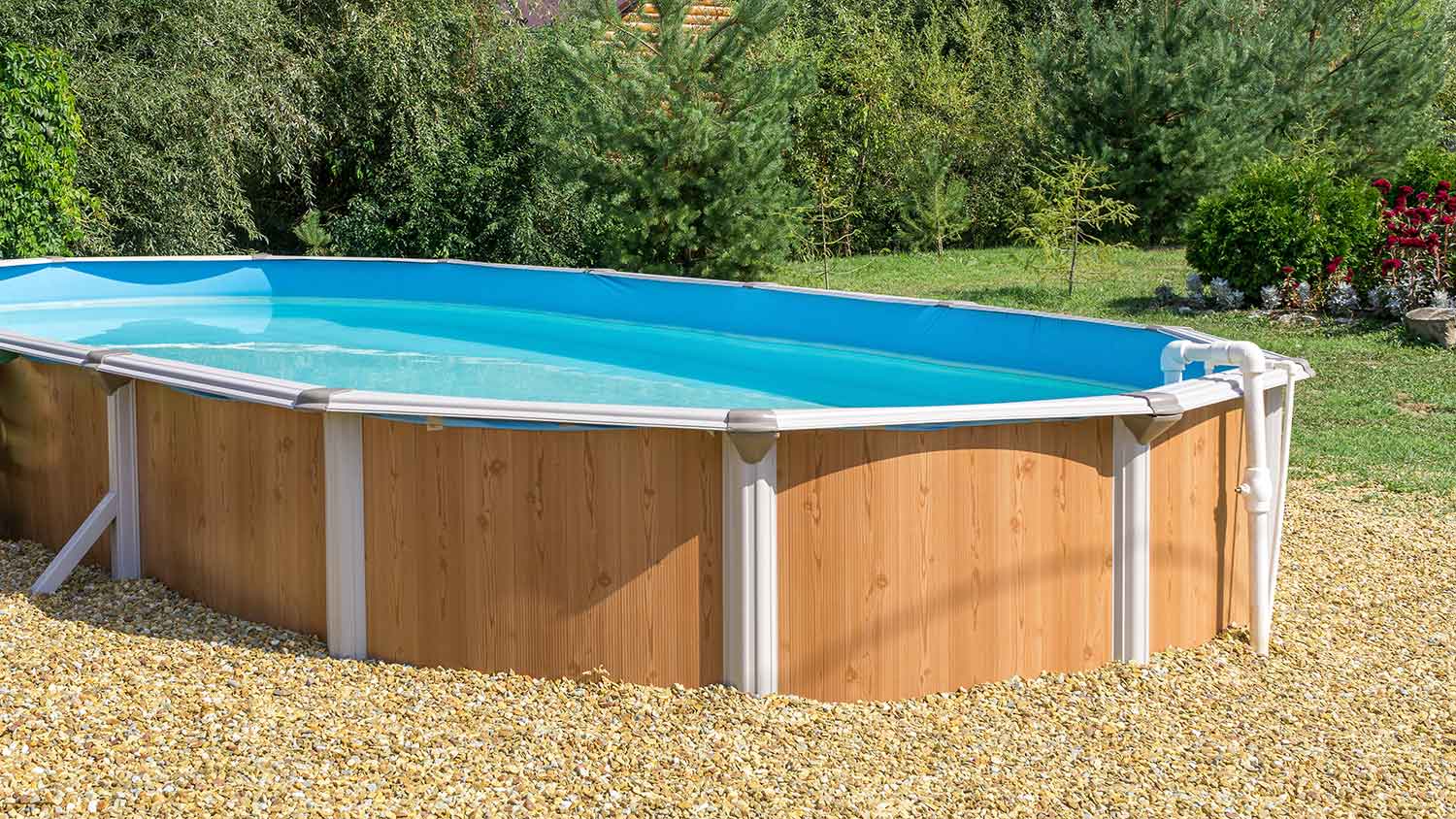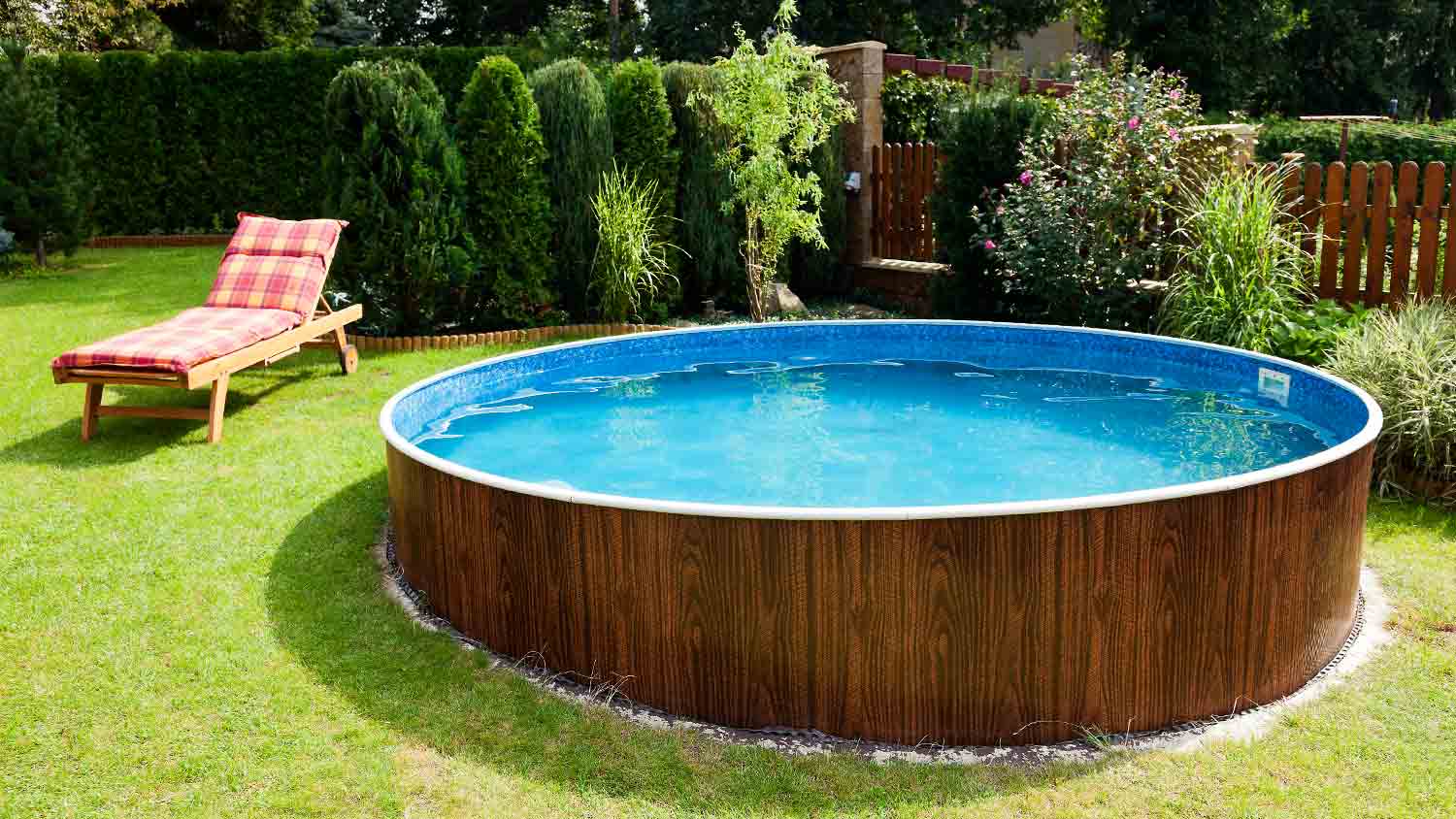







Top-rated above ground pool installation pros.

Best above ground pool installation pros near Grawn, MI

Enter your zip and get matched with up to 5 pros

Need a pro for your above ground pool installation project in Grawn, MI?

Select your specific project to find the pro for you.

TRUSTED BY GRAWN, MI HOMEOWNERS

  • Average homeowner rating star icon4.8
    Average homeowner rating
  • Verified reviews icon14
    Verified above ground pool installation services reviews

Top-Rated Above ground pool installation pros in Grawn - Updated Nov 2026

Avatar for American Home Shield – Home Warranty
American Home Shield – Home Warranty
3.5(
5,689
)
Above Ground Swimming Pool or Accessories - Repair or Service

Serving Grawn, MI and surrounding areas

In business since 1971

Credit card accepted

"One oven doesn't work at all ( my choice, see above), the "working" oven was never calibrated properly so using it is hit or miss. It's time to call American Home Shield to see about replacing the entire unit. I'm waiting to finish other home projects before calling them. I don't know if I'll request Greenway again."
Additional Photos
Additional Photos
Additional Photos
Additional Photos
Additional Photos

+2

Recommended by65%of homeowners
Install Above Ground Pools FAQs, answered by experts

Sometimes, homeowners choose to install their pool on concrete, foam tiles, or patio pavers. Leveled dirt is also fine, as long as it’s not sod or grass. Regardless, you’ll need to install sand as a buffer to prevent your liner from tearing. Some pool installers also use a protective foam pool pad.

No, shock and chlorine are not the same thing, though they are related and both are used for pool maintenance. Regular chlorine, often in the form of tablets, is a sanitizer used for routine, day-to-day maintenance to keep a steady chlorine level. Pool shock, however, is a highly concentrated dose of chlorine used periodically for a more intense cleaning. It rapidly raises chlorine levels to fix issues like cloudy water or algae growth and also eliminates chloramines, which are byproducts of regular chlorination. Because their purposes and concentrations differ, they are not interchangeable, and proper pool care typically requires using both.

Shipping container pools last up to 25 years. On average, they’re more durable than the standard aboveground pool, which only lasts 10 to 20 years. Their durability is similar to fiberglass in-ground pools. Concrete pools, on the other hand, outlive almost any other type of pool. They can last indefinitely as long as you resurface them as needed.  

Pool concrete or gunite can take several weeks to cure, or an average of 30 days, before workers can resume construction. Additional work and finishes push the time to build a pool out of concrete to between three and six months. There are many types of pools that take far less time, so keep these in mind if you're on a short timeline.

You can avoid pool collapse—known as pool pop in an inground pool—if you follow the instructions on how to drain your pool safely. Wait for a temperate, dry day and slowly remove the water with a sump pump, hose, or the attached drains and hydrostatic plugs.

The Grawn, MI homeowners’ guide to above ground pool installation services

From average costs to expert advice, get all the answers you need to get your job done.