

Top-rated arborists.

Get matched with top arborists in Manitou Beach, MI

Enter your zip and get matched with up to 5 pros

Need a pro for your arboricultural service project in Manitou Beach, MI?

Select your specific project to find the pro for you.

TRUSTED BY MANITOU BEACH, MI HOMEOWNERS

  • Average homeowner rating star icon4.5
    Average homeowner rating
  • Verified reviews icon112
    Verified arboricultural services reviews

Find Arborists in Manitou Beach

Avatar for Newscape Forestry
Newscape Forestry
5.0(
58
)
Tree Removal

Serving Manitou Beach, MI and surrounding areas

Approved

In business since 2019

Free estimates

Emergency services offered

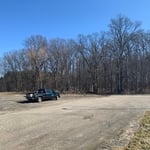
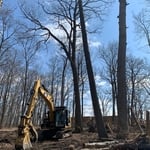
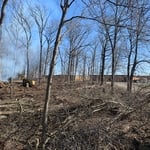
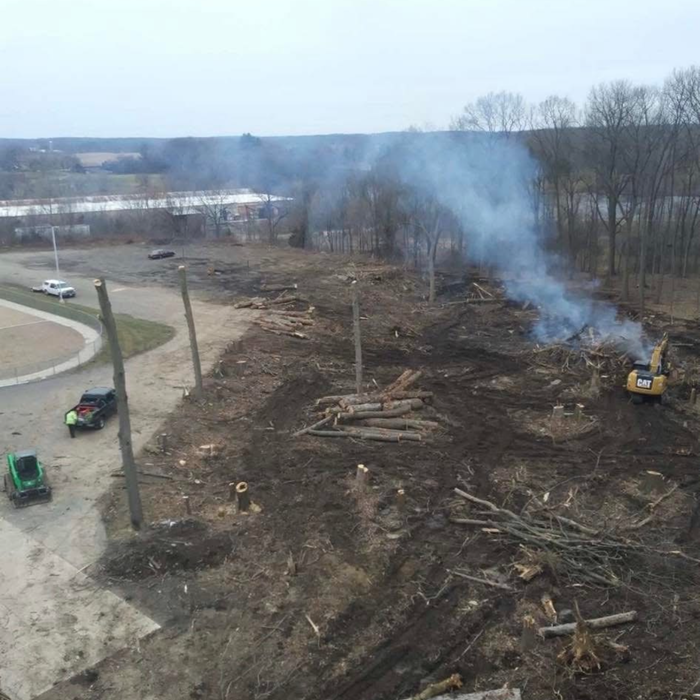
"The crew did an incredible job clearing our backyard. We purchased a home that had been vacant for a while and the backyard had become extremely overgrown with a maze of dead trees and stumps everywhere. Jeremy approached the project with a "no big deal" attitude and kept us updated with many pictures and videos throughout the process. They did such a fantastic job, we highly recommend them for any forestry needs."
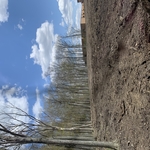
End of job
Beginning
Excavator
Progress photo
Hanging out!

+1

Response time5 hrs
Response rate100%
1 neighbors recently requested a quote
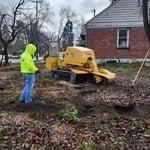
Deaton’s Demo
New to Angi
Tree Stump - Remove

Serving Manitou Beach, MI and surrounding areas

Approved

Free estimates

Credit card accepted

Offers commercial services

I take care of the dirty, heavy work that homeowners and contractors don't want to handle around Monroe, Adrian, and the surrounding areas. With a heavy-duty F-250 and a big hydraulic dump trailer, we do everything from ripping out old kitchens and tearing down sheds to clearing overgrown brush, grading land, and cleaning out gutters. We don't just show up, smash things, and leave a mess—we handle the full demolition, pack up the trailer, and haul every piece of trash straight to the landfill so your property is completely clean and ready for whatever's next. If you need a job done fast, safely, and without the corporate hassle, give me a call.

...
Showing 1-10 of 67
Arborists questions, answered by experts

In most ways, palm trees are incredibly low-maintenance. They don’t need a ton of water—which is why they’re so beloved in desert regions—and they basically prune themselves. But they do need an ample supply of sunlight and to be in soil that will allow for proper drainage so that their roots don’t become waterlogged and at risk of developing illnesses.

If the plant begins to wilt, develop spots, or change color, these could all be signs that your palm tree has a disease. But a few basic treatments, like pruning and applying fungicide, will usually be more than enough to return it to perfect health.

As a general rule, the protected area should be about 1½ times as wide as the canopy of the tree’s leaves. This digging measurement can vary by tree species and the age of the tree. Of course, that can be a lot of fencing for larger trees, which is why our first step is about making difficult decisions on which trees to save.

For safety reasons, leaning trees are best removed by a professional, as they may often tear away from the hinge, causing you to lose control over where the tree falls. If you choose to cut down a tree leaning slightly, avoid cutting off root protrusions before you start. Make your hinge a little longer than usual by cutting it deeper (up to 30% of the diameter) and applying a wedge into the felling cut on the side the tree is leaning. Stand away from the direction the tree leans while making your felling cut.

It’s not always easy to tell when a tree is dying, although signs like dropping branches and brittle bark can sometimes offer clues. It can also be difficult to know whether a tree is dead or dormant, especially if it’s a deciduous tree. You’ll want to wait until a growth season to get a good idea of a tree’s health. When in doubt, contact an arborist for a consultation.

In most cases, you should not use a pruning seal on trees after trimming. Applying a sealant can interfere with the tree's natural healing process, and it does not guarantee protection from pathogens. Instead of sealing the cut, the best practice is to support the tree's natural recovery by providing it with plenty of water and a dormant-style fertilizer. However, there are exceptions. Pruning seals may be recommended for very vulnerable species, like elm trees, in areas where dangerous diseases such as Dutch elm disease are prevalent. In these specific situations, the protection offered by a sealant can outweigh its downsides. For advice tailored to your situation, especially after cutting large branches, it is best to consult a local tree trimming professional.

The Manitou Beach, MI homeowners’ guide to arboricultural services

From average costs to expert advice, get all the answers you need to get your job done.