

Top-rated arborists.

Get matched with top arborists in Clayton, MI

Enter your zip and get matched with up to 5 pros

Need a pro for your arboricultural service project in Clayton, MI?

Select your specific project to find the pro for you.

TRUSTED BY CLAYTON, MI HOMEOWNERS

  • Average homeowner rating star icon4.5
    Average homeowner rating
  • Verified reviews icon119
    Verified arboricultural services reviews

Find Arborists in Clayton

Avatar for Newscape Forestry
Newscape Forestry
5.0(
58
)

Serving Clayton, MI and surrounding areas

Approved

In business since 2019

Free estimates

Emergency services offered

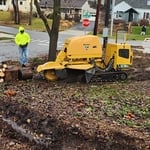
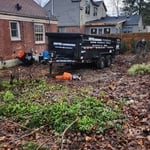
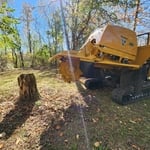
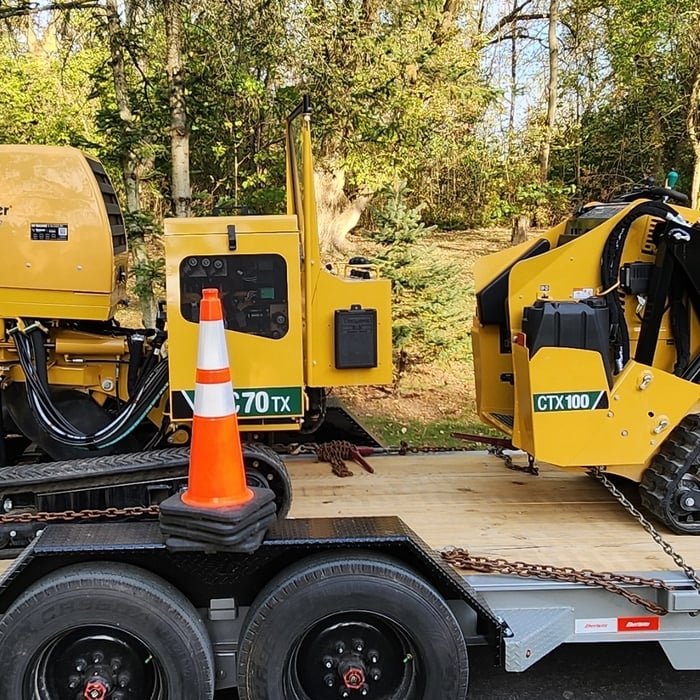
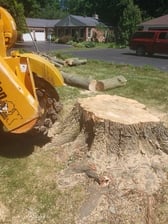
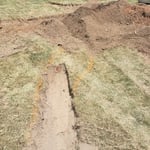
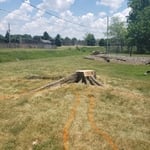
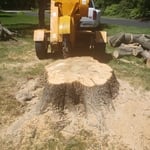
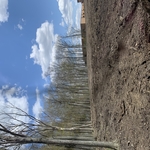
"The crew did an incredible job clearing our backyard. We purchased a home that had been vacant for a while and the backyard had become extremely overgrown with a maze of dead trees and stumps everywhere. Jeremy approached the project with a "no big deal" attitude and kept us updated with many pictures and videos throughout the process. They did such a fantastic job, we highly recommend them for any forestry needs."
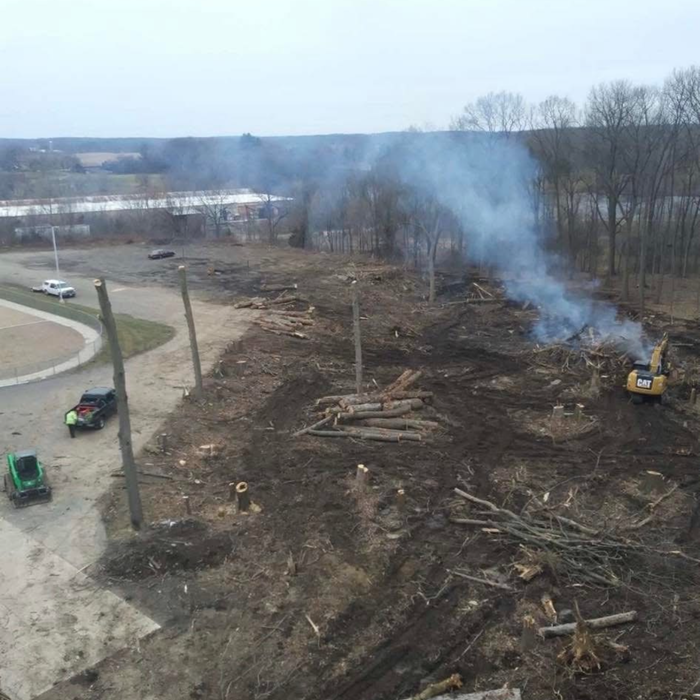
End of job
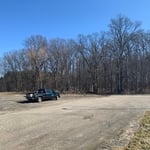
Beginning
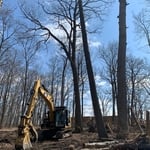
Excavator
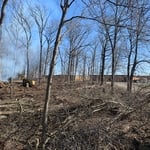
Progress photo
Hanging out!

+1

Response time5 hrs
Response rate100%
3 neighbors recently requested a quote
Ray Menefee's Removal & Trimming Specialist
4.6(
12
)

Serving Clayton, MI and surrounding areas

In business since 2008

Free estimates

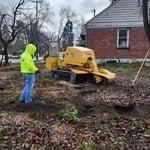
"Ray's work was excellent. He and his two other team members were very professional and did an excellent job with our tree trimming needs. They were also most willing to add taking down another tree that we had not even contracted to do. Ray and his team cleaned up all of the mess after taking down the limbs and tree. We were extremely pleased with his work."
Recommended by100%of homeowners
...
Showing 1-10 of 55
Arborists questions, answered by experts

Yes, it’s okay to trim low branches on a tree, also known as limbing up or raising the crown. Essentially, you’ll trim the lower third of the tree (trunk) and leave the upper two-thirds of the tree (crown). Arborists recommend trimming 20% of a tree’s leaves per season for two to three seasons. Trimming low branches allows light to flow through the tree, increasing circulation and making the tree stronger and healthier.

It depends on the problem, the affected part of the tree, the risk of the pathogen spreading, and the overall health of your tree. Many diseases, fungal infections, and insect infestations can be successfully treated, especially if the issue is only in a few branches. However, if a disease is too widespread, too severe, too easily spread, or in the roots, the tree will likely need to be removed.

DIY is risky and not recommended for large trees; professional services ensure safe removal and proper disposal.

Early signs that a tree is struggling include premature leaf shedding and lesions or other strange markings. Peeling bark, dead or rotten branches on the ground, and a conspicuous lack of leaves can all be signs that a tree has started to die. By the time a tree starts leaning, it’s usually too far gone to save.

The safest way to cut down a tree is to make sure you’re completely prepared and have done all the necessary safety checks, including double-checking your equipment is in good working order, you have plenty of clearance to fell the tree, you’re wearing all the safety gear, and you have a partner to help you (who should also be wearing safety gear). 

The Clayton, MI homeowners’ guide to arboricultural services

From average costs to expert advice, get all the answers you need to get your job done.