


Top-rated tree service pros.

Get matched with top tree service pros in Manchester, MI

Enter your zip and get matched with up to 5 pros

Need a pro for your tree service project in Manchester, MI?

Select your specific project to find the pro for you.

TRUSTED BY MANCHESTER, MI HOMEOWNERS

  • Average homeowner rating star icon4.6
    Average homeowner rating
  • Verified reviews icon445
    Verified tree services reviews

Find Tree service pros in Manchester

Avatar for Family Tree Service
Family Tree Service
4.9(
174
)
Tree RemovalTree Removal - For BusinessTree Trimming+1 more

Serving Manchester, MI and surrounding areas

Approved

In business since 1985

Free estimates

Emergency services offered

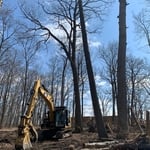
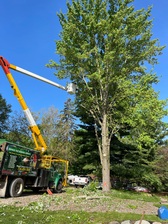
"The Family Tree Service team was extremely professional from start to finish. I was amazed how their expert crew manually removed a large tree close to our home with such precision and speed. Best of all, this tree removal project came with a very reasonable when compared to other bidders. In short, I would not hesitate to use Family Tree Service whenever the need arises."
Response time7 hrs
Response rate91%
4 neighbors recently requested a quote
Avatar for Mark Schmude
Mark Schmude
5.0(
4
)
Tree Removal

Serving Manchester, MI and surrounding areas

Approved

Free estimates

Small jobs welcome

Credit card accepted

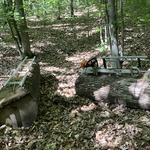
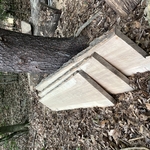
We are a small business that removes trees. We can haul the whole tree away or leave some chips for mulch. Another option for special trees is to mill the trunk onsite leaving you a a few live edge slabs that can be used for benches or tables.\n\nOur goal is customer satisfaction - we want you to be happy with our work and glad you called us.\n\n

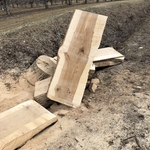
Slab milled with Alaskan chainsaw mill
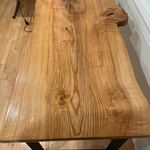
Finished live edge slab table
First cut guide rails on left, chainsaw mill on ri
Freshly milled slabs
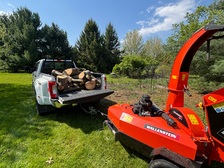
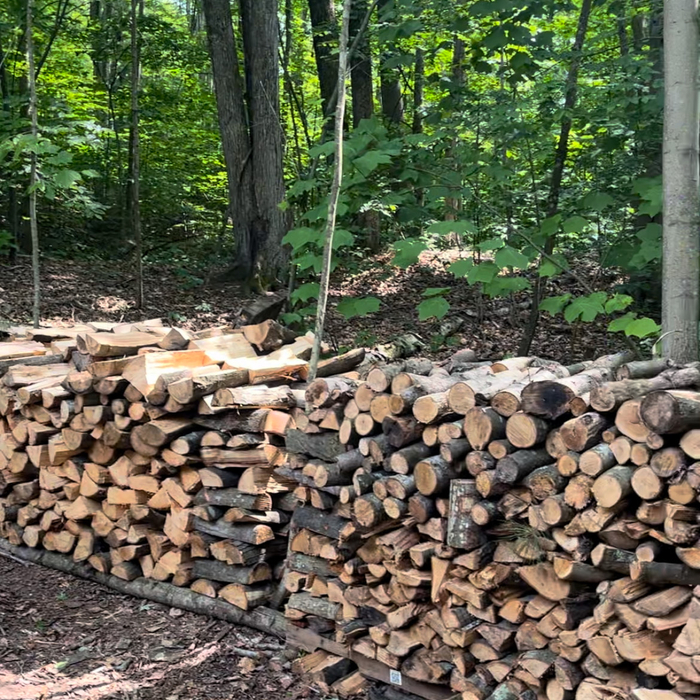
Hand stacked firewood from tree limbs.

+7

5 neighbors recently requested a quote

Avatar for Warner Excavation LLC
Warner Excavation LLC
5.0(
9
)
Tree Removal - For Business

Serving Manchester, MI and surrounding areas

Approved

In business since 2020

Free estimates

Offers commercial services

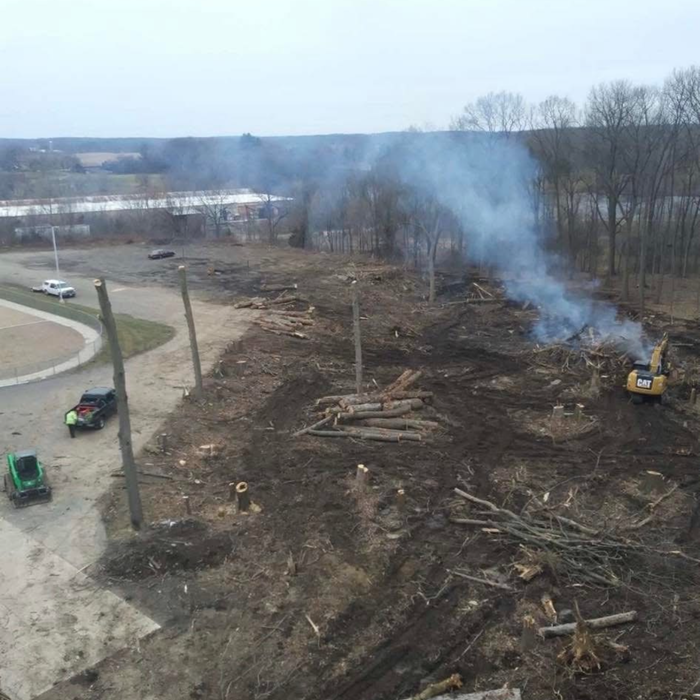
"Beyond impressed with this company!!!! They went above and beyond what I was expecting and made my yard look incredible with the removal of several trees, stumps, and power raking my entire property ridding it completely of poison ivy and poison oak. I would HIGHLY recommend them."
Response time2 days
Response rate91%
Recommended by88%of homeowners
...
Showing 1-10 of 96
Tree Service questions, answered by experts

Generally, you’ll want to prune back the trunk by 1 to 2 feet each year to promote bushy growth. Doing so concentrates vegetative buds closer to the bottom of the tree, where you can easily harvest fruit. For side shoots that are a year old, leave at least six leaves. 

Never remove more than 30% of a tree’s foliage during pruning—even if your tree is really overgrown. Removing this much foliage at a time could kill your tree.

The best time to prune Japanese flowering cherry trees depends on where you live and the type of flowering cherry tree. Some trees benefit from being pruned toward the end of winter or early spring, after the last freeze. Meanwhile, other trees do well after blooming, in late spring or early summer. Avoid pruning your flowering cherry tree in the early winter, as this encourages open wounds that can lead to infections or infestations. 


Late August, September, and mid-October are the ideal months for planting a young tree. However, the best time to plant a tree ultimately depends on when the weather transitions to fall-like conditions and eventually winter frost. As long as the hottest days of summer have passed and the ground hasn’t frozen yet, you can still successfully plant trees.

The best time to trim trees is in late fall through winter when the tree has slowed its growing for the year. Cold weather stops insects and fungal growth from attacking a new tree wound. Summer and fall are considered the worst times to trim trees, but it’s permissible in certain scenarios, such as tree disease, damaged branches, or small, aesthetic cuts.

Palm trees are unique in that their roots don't grow straight down; they grow horizontally. Typically, palm tree roots go down between 12 and 36 inches deep. The roots grow far and wide from the base of the palm tree to absorb as much water and soil nutrients as possible. In addition, the horizontal roots are also very strong—keeping palm trees stable and helping them sway during storms.

The Manchester, MI homeowners’ guide to tree services

From average costs to expert advice, get all the answers you need to get your job done.