


Top-rated tree service pros.

Get matched with top tree service pros in Clarklake, MI

Enter your zip and get matched with up to 5 pros

Need a pro for your tree service project in Clarklake, MI?

Select your specific project to find the pro for you.

TRUSTED BY CLARKLAKE, MI HOMEOWNERS

  • Average homeowner rating star icon4.6
    Average homeowner rating
  • Verified reviews icon159
    Verified tree services reviews

Find Tree service pros in Clarklake

Avatar for STUMPS-B-GONE LLC
STUMPS-B-GONE LLC
5.0(
20
)
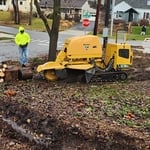
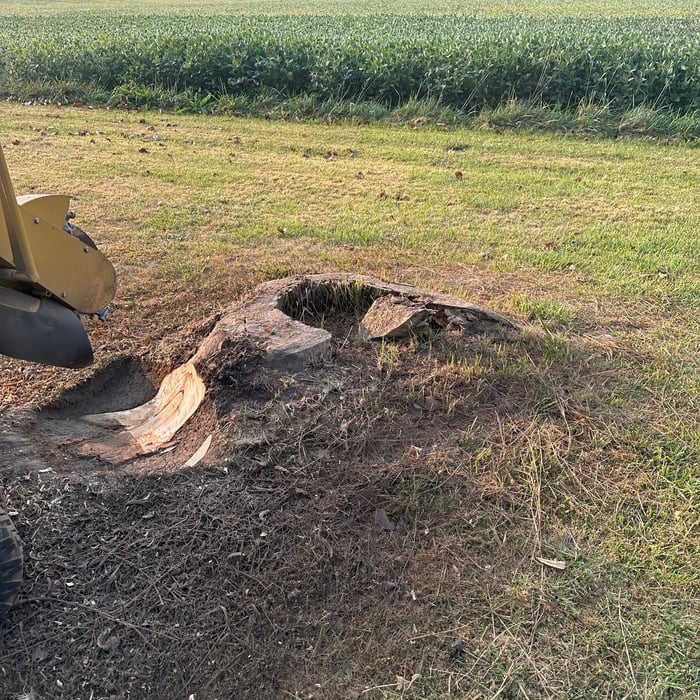
Tree Stump - RemoveTree Stump - Remove - For Business

Serving Clarklake, MI and surrounding areas

Approved

Super Service Award Winner

In business since 2005

Free estimates

Small jobs welcome

"The job was done perfectly! We are extremely pleased with the quality of the work and how promptly it was completed. The owner was very friendly and took the time to answer all of my questions thoroughly. We highly recommend this business to anyone looking for professional and efficient stump and root removal services."
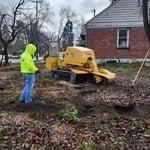
Stump removal
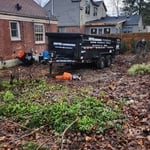
Stump removal
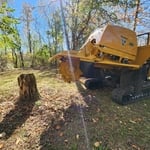
Stump removal
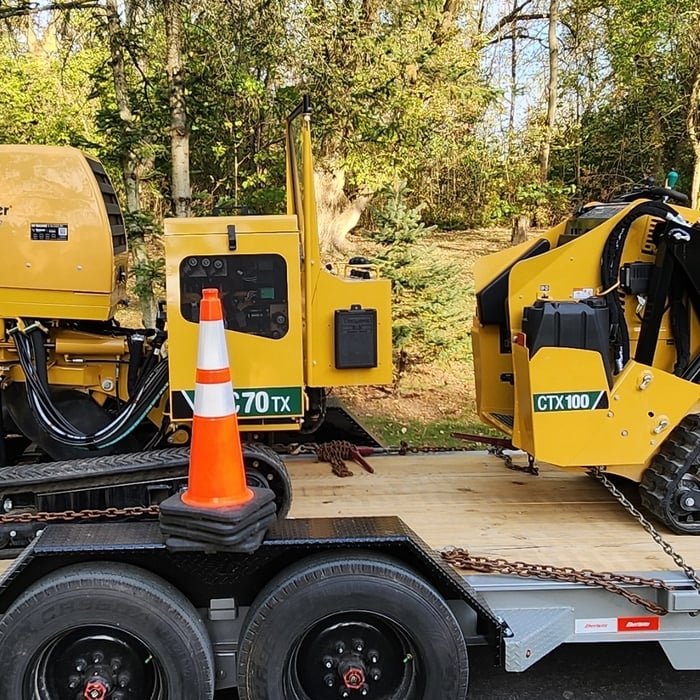
Stump removal
Stump removal

+10

Response time5 hrs
Response rate100%
13 neighbors recently requested a quote
...
Showing 1-10 of 81
Tree Service questions, answered by experts

Opt for a barefoot tree. Pros harvest barefoot trees when they’re dormant (leafless). They shake the dirt from the root ball and pack it in moist material. 

These trees can cost half as much as the trees at your local nursery, and you can buy them online—so there’s a much wider selection. Just make sure you keep your barefoot tree cool until you’re ready to plant it.

The best time to prune Japanese flowering cherry trees depends on where you live and the type of flowering cherry tree. Some trees benefit from being pruned toward the end of winter or early spring, after the last freeze. Meanwhile, other trees do well after blooming, in late spring or early summer. Avoid pruning your flowering cherry tree in the early winter, as this encourages open wounds that can lead to infections or infestations. 

In most ways, palm trees are incredibly low-maintenance. They don’t need a ton of water—which is why they’re so beloved in desert regions—and they basically prune themselves. But they do need an ample supply of sunlight and to be in soil that will allow for proper drainage so that their roots don’t become waterlogged and at risk of developing illnesses.

If the plant begins to wilt, develop spots, or change color, these could all be signs that your palm tree has a disease. But a few basic treatments, like pruning and applying fungicide, will usually be more than enough to return it to perfect health.

Generally speaking, you’ll want to avoid flush cuts, which are cuts made as extremely close to the trunk or main branch. These cuts can weaken your tree, lower its natural defense mechanisms, and even cause decay. You’ll also want to avoid tree topping, which is the total removal of the leader and upper main branches of a tree. 

Most pros will advise against either of these methods, which is why hiring a pro is often the best choice when it comes to tree trimming.

Whether tree roots will continue to grow after a tree has been cut down depends on the species. Some tree roots will eventually die because they can no longer get nutrients through photosynthesis. However, other species that reproduce through root sprouts can continue to grow and produce new sprouts for seven years or more. For example, the roots of elms, ficus, and willows tend to regrow aggressively, while the roots of pines, oaks, and maples will typically die. To determine if a root system is still active, look for new sprouts on the old trunk, stump, or any exposed roots.

The Clarklake, MI homeowners’ guide to tree services

From average costs to expert advice, get all the answers you need to get your job done.