






Top-rated animal removal specialists.

Get matched with top animal removal specialists in Lyons, MI

Enter your zip and get matched with up to 5 pros

Need a pro for your animal removal project in Lyons, MI?

Select your specific project to find the pro for you.

Find Animal removal specialists in Lyons

Showing 1-10 of 11
Animal Removal questions, answered by experts

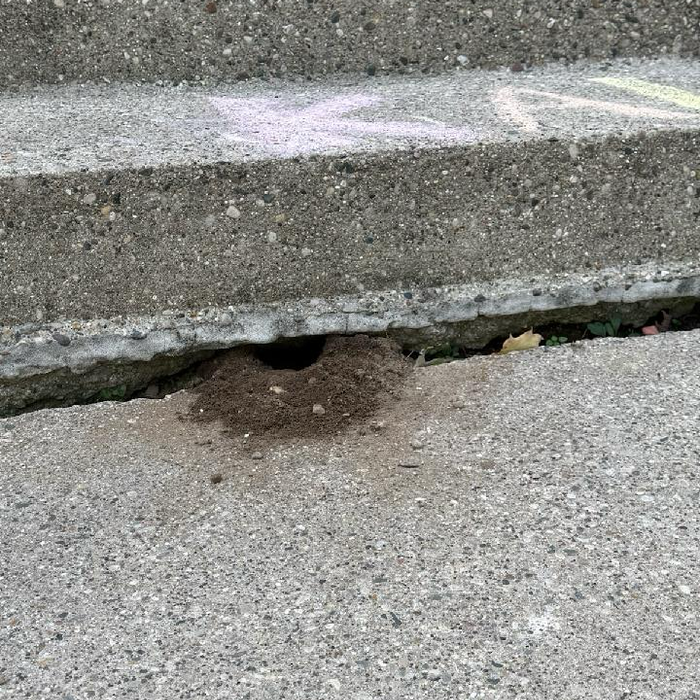
Groundhogs are definitely cute, but it’s usually not a good idea to have them living in your yard. Not only can groundhogs tear up your grass and create unsightly holes and burrows, but they can also carry infectious diseases that are dangerous to humans.

While some pets, especially dogs, may chase rabbits away due to their natural hunting instincts, relying solely on pets to deter rabbits is not foolproof. Some rabbits can become accustomed to the presence of pets over time, and not all pets possess the same level of hunting inclination. What’s more, rabbits can potentially carry serious diseases like Tularemia and E. cuniculi, which they could pass to your pets.

If a foxtail enters your pet’s body and is left untreated, it can cause a serious infection and, in some cases, travel internally to their organs and threaten their life. That’s why it’s essential to check your pet’s fur for signs of foxtails and visit the veterinarian for removal as quickly as possible. If foxtail is treated quickly, they are relatively easy for a professional vet to remove safely.

Alongside selecting the best bait for an iguana trap, the location, position, and timing play a part. If the lizards have a burrow in your yard or regularly take the same route, place the trap there during the day. Iguanas are diurnal and most active during the day. A shady spot is best to keep the animal comfortable. And don’t forget to pick a level surface or stabilize the trap with a brick—iguanas are less likely to enter if it’s wobbly.

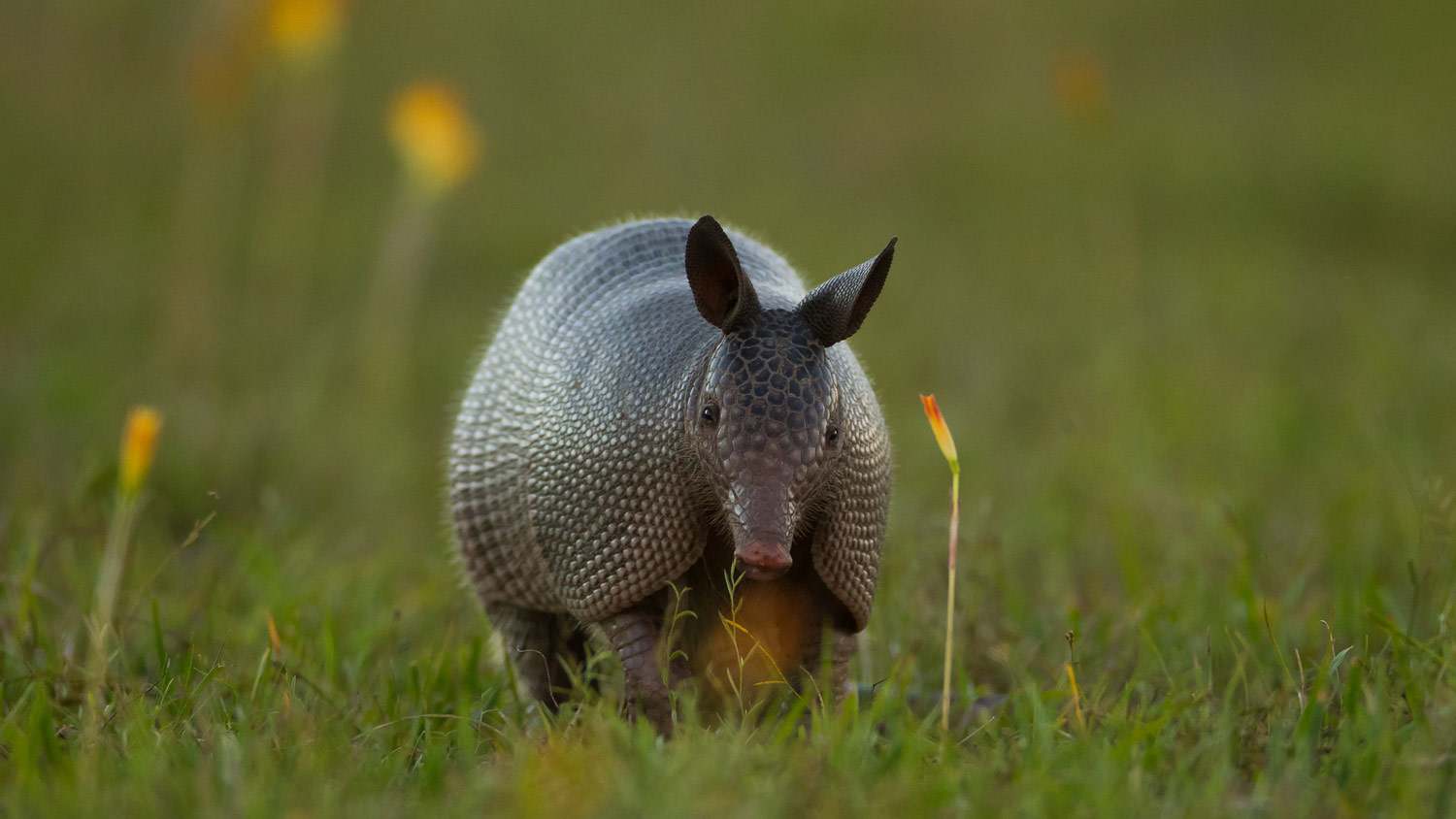
Armadillos are most active during cooler hours to avoid extreme temperatures, particularly the daytime heat in the warm climates where they live. This activity pattern helps them reduce the risk of overheating and dehydration. They are generally active from late at night to early morning, often between 2 a.m. and 5 a.m., but can also be seen around dawn and dusk. An exception to this is during mating season (June-July in the northern hemisphere, November-December in the southern hemisphere), when male armadillos may be more active than usual.

The Lyons, MI homeowners’ guide to animal removal services

From average costs to expert advice, get all the answers you need to get your job done.