



Top-rated animal removal specialists.

Get matched with top animal removal specialists in Belding, MI

Enter your zip and get matched with up to 5 pros

Need a pro for your animal removal project in Belding, MI?

Select your specific project to find the pro for you.

Find Animal removal specialists in Belding

Avatar for Got'em Wasp & Hornet Removal
Got'em Wasp & Hornet Removal
5.0(
28
)
Pest Control - Rodents

Serving Belding, MI and surrounding areas

Approved

In business since 2022

Free estimates

Credit card accepted

"I just terminated a very bad experience with a national company based in Utah. After spending a good deal of money, I still had the same issues with no appreciable progress. I was frustrated with no one able to tell me what insect or animal was creating a brown spot on an eve of my house. I went to Angie's list for a local company and liked Got Em's description so I called them. William Jones came out and diagnosed my brown spot within seconds! It was a roosting bat. William treated my other big problem, carpenter bees with non-chemical ingredients. He followed up the next day to make sure the treatment was effective, it was and continues to be. William is professional, honest and fair. I have already recommended him to several friends. Bridget Rockwell"
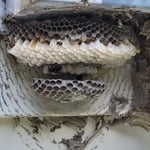
The Birth of A Yellow Jacket!
Large Yellow Jacket Nest
Bald Faced Hornet Nest Above Front Door!
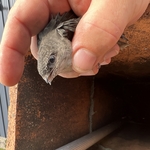
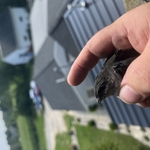
Another removal!
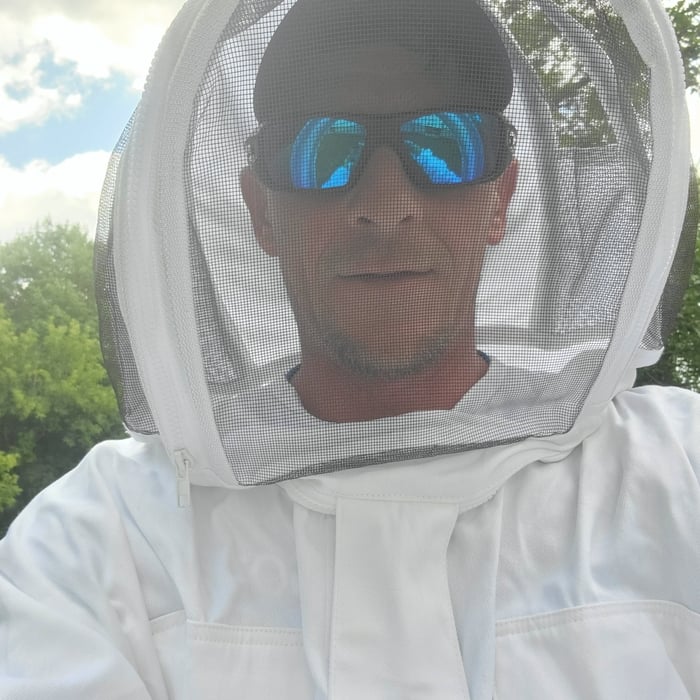
Just me!

+9

Response time4 hrs
Recommended by96%of homeowners
Avatar for Terminix® Pest Control
Terminix® Pest Control
4.0(
1
)
Pest Control - Rodents

Serving Belding, MI and surrounding areas

Approved

In business since 1927

Free estimates

Warranties offered

"Very knowledgeable guy who seem to know what he’s doing. Don’t know results of spraying. Have had much rain since. Will have to see if it worked. Terminex will spray again the beginning of next month."
My jobs
My jobs
My jobs
My jobs
My jobs

+2

49 neighbors recently requested a quote
Showing 1-10 of 14
Animal Removal questions, answered by experts

It can be difficult to know what type of animal is in your attic until you see it. But several clues can help you narrow down the suspects:

  • Sounds: Smaller animals like rats and mice make scurrying and tapping/gnawing sounds. Larger animals like raccoons and opossums make louder clambering noises. Also, note when animals are noisy: Squirrels are active during the day, while rats are busiest at night.
  • Droppings: Rats and mice leave small, rice-shaped droppings (the rat’s version is significantly larger). Bigger droppings belong to larger critters like raccoons. As long as you’re not squeamish, an image search can help you identify what you’re seeing in your attic.

When in doubt, take photos of damage or other evidence and show them to an experienced pest control pro.

Voles are attracted to areas with lots of vegetation that they can hide in. Since they eat mostly grasses, tubers, and bulbs, a robust garden can attract voles that wouldn’t have looked twice at a barren rock garden. Voles also like to hide out in dense ground cover, so that can attract them as well.

Skunks spray as a defense mechanism to ward off predators. The active ingredient in their sulfurous, oily musk is n-butyl mercaptan, which evaporates into a powerful and smelly gas. Once the spray hits the skunk’s target, the stench can linger for days, and water and common cleaning kits aren’t enough to wash it away.

If you happen upon a skunk in your yard, try to back away slowly to reduce the chance of them aiming at you. Encouragingly, they don’t use their weapon casually, as it can take up to 10 days for their life-saving weaponry to refill. Paw stamping, hissing, lifting their tail, and arching their back are early signs they feel trapped or under threat and that it’s time to make a careful retreat.

When relocating, release a groundhog at least 5 miles from the capture site. This distance helps ensure that the groundhog does not return to your property. Make sure to relocate it to a suitable habitat, such as a wooded area or a place with plenty of ground cover, to increase its chances of survival without disrupting existing wildlife. Additionally, always check local regulations, as relocating wildlife may be restricted or require a permit in some areas.

To dispose of a dead iguana in Florida, first learn your local regulations. Litter laws may subject disposal in roads or bodies of water to a fine or jail time. Some towns restrict animal carcasses in trash bins. Instead, consider burial or cremation to get rid of an iguana. You may be able to dispose of iguana carcasses with a local animal control company, vet, or pet cemetery for a fee.

The Belding, MI homeowners’ guide to animal removal services

From average costs to expert advice, get all the answers you need to get your job done.