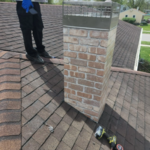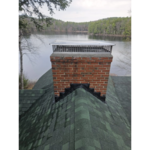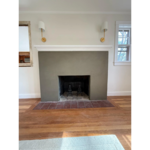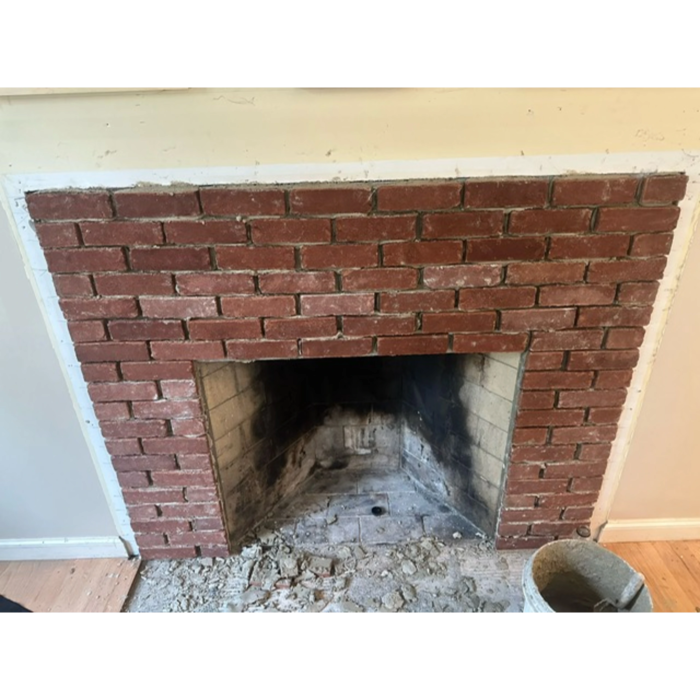





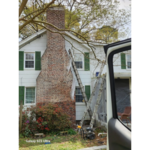
"Chuck arrived with a helper and explained everything to us. He cleaned the chimney and left us with some estimates for potential work. He was knowledgeable and pleasant. I would use him again."
At our company, we take immense pride in our wealth of experience, expertise, and the exceptional customer service we offer to meet our clients' needs. Our mission is to consistently deliver outstanding design work and drawings, from project initiation to completion. We place great emphasis on understanding and exceeding our customers' needs and expectations, ensuring that every interaction is conducted with the utmost professionalism. Our reputation is founded on top-notch service and quality, irrespective of the size of the project. Get in touch with us today!
You should never block both the top and bottom of your chimney. Proper airflow is essential because the temperature inside the chimney will still fluctuate as your house warms and cools. Moisture can build up without ventilation, leading to dampness in your walls over time. Blocking the top prevents debris and animals from entering, but the chimney still needs air circulation to avoid condensation issues. Allowing the chimney to breathe maintains the health of your home and prevents long-term damage.
Your state, city, or even homeowners insurance company may have requirements on how far the outdoor wood furnace should be from the house, so be sure to abide by those regulations. In general, you should install an outdoor wood furnace or boiler as few as 30 feet or as much as 500 feet from the house or any other building.
Yes, you can put a freestanding one in a corner if you’re tight on space. Because pellet stoves don’t get as hot as other types of wood stoves, there only needs to be 3 inches of clearance from the wall on each side. Placing it in a corner should not impact the ventilation—you’ll still need to follow safety precautions by not installing too close to a window. Typically, it’s 4 feet from a window or 18 inches if the stove uses an external air source for combustion. Always check the owner’s manual for specific instructions.
The time required for a chimney inspection depends on the inspection level. A Level 1 inspection typically takes between 45 minutes and two hours, with an average of about an hour and a half. A Level 2 inspection usually takes less than two hours. A more in-depth Level 3 inspection can take up to five hours, or even multiple days if it requires removing materials. The total duration also depends on the chimney's size, condition, and how long it has been since its last inspection; chimneys with severe damage will require a longer inspection.
Deciding whether to buy a prebuilt fireplace kit or build one from scratch comes down to aesthetics, available space, and budget. Many homeowners like the convenience and lower cost of prebuilt options—around $1,500—versus the involved planning and construction of a larger fireplace. Another bonus: you can usually move prebuilt units. Custom projects are more common when homeowners have access to a larger budget and more area in the yard to place the fireplace.
The Kinross, MI homeowners’ guide to fireplace services
From average costs to expert advice, get all the answers you need to get your job done.
With a gas fireplace, it’s important to stay up-to-date on your inspections. Learn more about how much gas fireplace inspections cost before you book one.
Find out if you really need a chimney to install a fireplace in your home. This guide helps you understand your options, such as a ventless fireplace, when choosing the right fireplace for your home if you don't have a chimney.