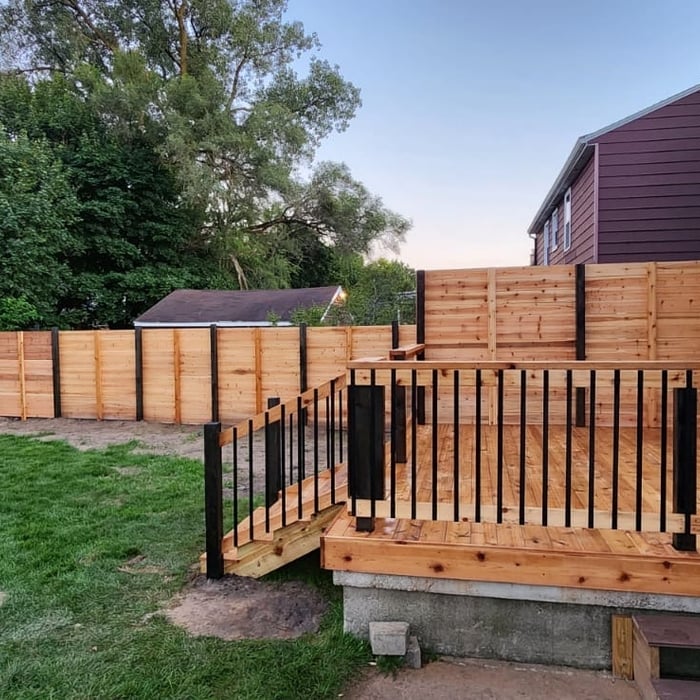




Top-rated fencing pros.

Get matched with top fencing pros in Fountain, MI

Enter your zip and get matched with up to 5 pros

Need a pro for your fencing service project in Fountain, MI?

Select your specific project to find the pro for you.

TRUSTED BY FOUNTAIN, MI HOMEOWNERS

  • Average homeowner rating star icon4.6
    Average homeowner rating
  • Verified reviews icon27
    Verified fencing services reviews

Find Fencing pros in Fountain

Avatar for Hampton Enterprise LLC
Hampton Enterprise LLC
3.7(
9
)

Serving Fountain, MI and surrounding areas

In business since 1989

Free estimates

Emergency services offered

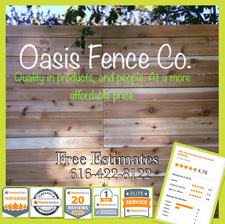
"I only use James when I need some work done to my house. He responds fast, gets the work done quicker than just about anyone else I've ever used and seems very concerned with leaving his customers happy."
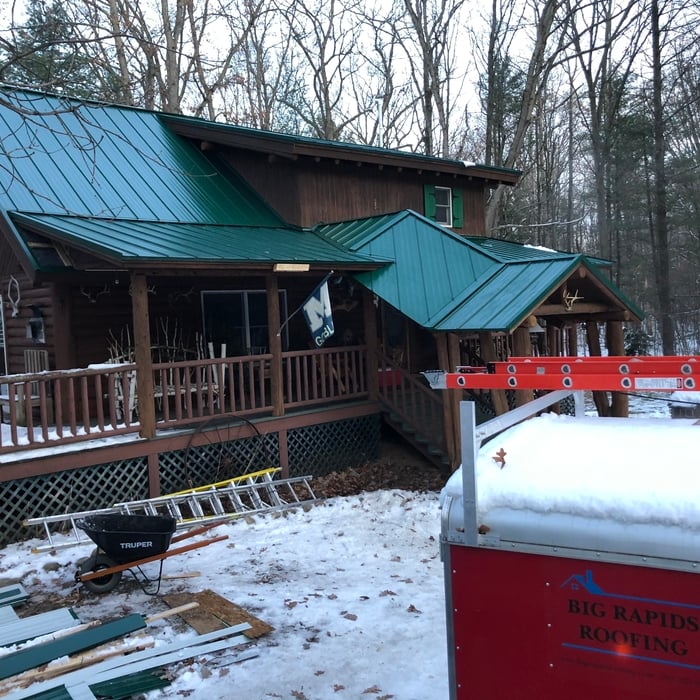
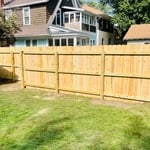
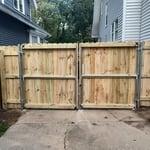
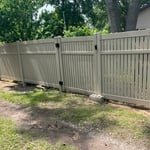
Additional Photos
Additional Photos
Recommended by60%of homeowners
Fencing questions, answered by experts

The ideal distance between fence posts depends on several factors, including the terrain, the purpose of the fence, and the material used. For different types of fences, here are some general guidelines:

  • Wood and Metal Fences: Posts should be spaced between 5 and 8 feet apart.

  • Vinyl Fences: Spacing can be between 6 and 8 feet.

  • Chain-Link, Mesh, or Lattice Fences: Posts can be set anywhere from 4 to 25 feet apart, with 4-10 feet being common for chain-link.

  • Wire Fences: Spacing can be up to 12 feet apart.

Glass has one of the longest lifespans of any fencing materials, lasting anywhere from 10 to 30 years on average. Just how long your glass fence lasts depends on several factors, including how well you maintain your fence, the climate, and the type of glass you use. 

If you live somewhere with severe weather like hail, tornadoes, or hurricanes, expect your glass to have a shorter lifespan. Pool glass is one of the thickest tempered glass materials and may last longer than other options—especially compared to laminated glass.

The cheapest farm fences are typically wire fences, which cost less to install than traditional lumber fences. Barbed wire is one of the most inexpensive options due to its simple materials, making it a good choice for low budgets. It is suitable for confining docile animals in large spaces, as it provides a visual barrier and a mild deterrent. Other options like hog wire and woven wire fences are also cost-effective because they require less lumber than a full wooden fence. These types of wire fences are strong, long-lasting, and relatively easy to repair, though they are often considered less aesthetically pleasing than wood.

There’s no definitive answer to this question because dog owners and experts are conflicted about the efficacy and morality of electric fences. However, physical fences are typically considered a better option since they provide guaranteed containment for your pup, provided they are tall enough, and your dog can’t dig under them. Physical fences can also provide privacy, which might stop your dog from barking at people or animals walking by. Physical dog fences tend to be more expensive, but most homeowners find them to be a better option overall.

Knowing how close to the property line you can build a fence is an important planning step in your fence installation project. In many U.S. states, you are allowed to build a fence directly on the property line as long as your neighbor signs off on the plan. But check with your state government because some states and municipalities require a couple of inches before your property line.

The Fountain, MI homeowners’ guide to fencing services

From average costs to expert advice, get all the answers you need to get your job done.

What do you need done? We’ll find top pros.
  • 🌱 "Mow a small front yard"
  • 🛠 "Fix a leaking pipe under the sink"
  • 🏠 "Repair shingles on an asphalt roof"