
Top-rated landscapers.

Best landscapers near Elk Rapids, MI

Enter your zip and get matched with up to 5 pros

Need a pro for your landscaping project in Elk Rapids, MI?

Select your specific project to find the pro for you.

TRUSTED BY ELK RAPIDS, MI HOMEOWNERS

  • Average homeowner rating star icon4.3
    Average homeowner rating
  • Verified reviews icon40
    Verified landscaping services reviews

Top-Rated Landscapers in Elk Rapids - Updated Nov 2026

Avatar for NRE Excavating
NRE Excavating
4.9(
17
)
Landscape - Minor Grading or ReslopingLandscape - Minor Grading or Resloping - For BusinessRetaining Wall - Install

Serving Elk Rapids, MI and surrounding areas

Approved

In business since 2017

Free estimates

Offers commercial services

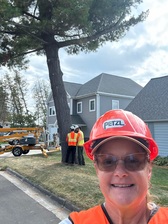
"Had a huge maple stump in the front yard, from the time I got the estimate till the job was done was about 4 days. They came out and got started on it right away, worked straight through until it was finished. Leveled it out and cleaned the yard and driveway that my wife didn’t even notice the stump was gone. I’m going to pick up some seeds tomorrow to fill in the grass, I’m not including a finished photo because it’s absolutely pouring outside right now. But the job that was done above my expectations. Thank you very much and it was nice to meet you guys."
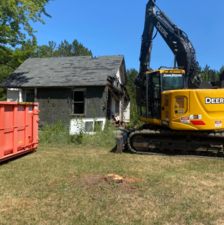
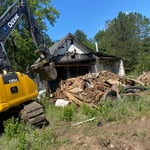
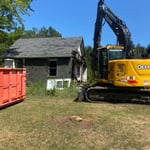
Home Demolition
Home Demolition
11 neighbors recently requested a quote
Recommended by56%of homeowners
Gnome Lawn Service
5.0(
3
)
Lawn Care - Maintain and Mow a LawnLawn & Yard Waste Clean Up

Serving Elk Rapids, MI and surrounding areas

Approved

Free estimates

Small jobs welcome

Offers commercial services

"So fortunate to have Gnome Lawn Service help with our mowing and edging! Harold & Jordan are thorough, efficient and professional. They were also super with keeping in touch as to the timing of the job. We whole heartedly recommend their service! Thank you Harold & Jordan for such a great job!"
6 neighbors recently requested a quote
...
Showing 1-10 of 134
Landscaping FAQs, answered by experts

When planting, it's best to leave several feet between a house and a juniper bush. Many juniper varieties will become quite bushy and require space to grow. Juniper branches that come into contact with siding can damage the home's exterior over time. Also, some juniper bushes have aggressive roots that can put pressure on a home's foundation or basement walls. 

Yes, you can landscape in the rain, but you should take some precautions to keep yourself and your tools safe. Avoid using electric landscaping tools during rainfall, and don’t mow, thatch, aerate, or rake in the rain, as your tools can more easily tear out roots in the loose soil. Be careful when working on wet grass, and take your time to avoid slipping. Avoid putting in new plants before a particularly bad storm, as heavy rain and strong winds can damage or uproot plants that aren’t yet established.

Unless it only rains once in a blue moon where you live, you’re going to want water-loving plants in your garden bed or pot. A few ideas for plants that aren’t super fast-growing (meaning they’re good in pots or near foundations) and can handle a lot of standing water include: 

  • Acorus (Sweet flag)

  • Colocasia esculenta (Taro or elephant ear): In many climates, these are annuals, making them less desirable because you need to adjust the chain again after each replant.

  • Equisetum scirpoides (Dwarf horsetail rush): non-dwarf varieties of horsetail are fast growers and can take over quickly.

  • Juncus effusus (Curly rush)

  • Osmunda regalis (Royal fern): Royal fern can grow quickly but can also handle being crowded, making them good container plants.

Late August, September, and mid-October are the ideal months for planting a young tree. However, the best time to plant a tree ultimately depends on when the weather transitions to fall-like conditions and eventually winter frost. As long as the hottest days of summer have passed and the ground hasn’t frozen yet, you can still successfully plant trees.

The best size rock for your landscaping depends on the design, as different boulders serve different purposes. If you want to group boulders to create a natural-looking cluster, you’ll need a range of sizes. Otherwise, here are some suggestions:

  • Small boulders (smaller than 12 inches across): Best for landscape edging and fire pits 

  • Medium boulders (12–24 inches): Best for retaining walls and water features

  • Large boulders (more than 24 inches): Best as standalone landscaping features, steps, or walkways.

Of course, you can mix and match sizes to create a unique display.

The Elk Rapids, MI homeowners’ guide to landscaping services

From average costs to expert advice, get all the answers you need to get your job done.