




Top-rated landscapers.

Get matched with top landscapers in Alden, MI

Enter your zip and get matched with up to 5 pros

Need a pro for your landscaping project in Alden, MI?

Select your specific project to find the pro for you.

TRUSTED BY ALDEN, MI HOMEOWNERS

  • Average homeowner rating star icon4.7
    Average homeowner rating
  • Verified reviews icon38
    Verified landscaping services reviews

Find Landscapers in Alden

Avatar for NRE Excavating
NRE Excavating
4.9(
17
)
Landscape - Minor Grading or ReslopingLandscape - Minor Grading or Resloping - For BusinessRetaining Wall - Install

Serving Alden, MI and surrounding areas

Approved

In business since 2017

Free estimates

Offers commercial services

"Would hire again. Actually showed up unlike other people. Reasonable price. My wife was the one who conversed with them and she said “very polite, understanding, down to earth people who she will hire again in the future.”"
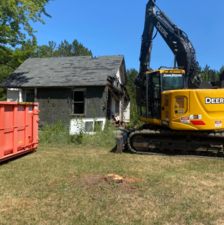
Home Demolition
Home Demolition
11 neighbors recently requested a quote
Recommended by56%of homeowners
...
Showing 1-10 of 131
Landscaping questions, answered by experts

Buying plants from a nursery is one thing, but ensuring that they are properly planted is another. While you might not need to hire a landscaper for every plant that you buy from a nursery, it’s a great idea to have their expertise and experience to plant larger items, like burlapped trees or specialty plants like rose bushes. Even better, before making a trip to a nursery to buy new plants, consult a local landscaper to test your soil for pH levels, soil texture, and phosphorus and potassium levels to help determine the best plants for your area.

Most bamboo can send roots down two to three feet into the ground. However, when stopping bamboo from spreading, the focus is on the runner roots or rhizomes. These roots are much shallower, staying 12 inches or less from the surface, so they’re easier to find and remove. But if you want to remove the bamboo entirely, you’ll have to dig out the full root system.

While there are over 400,000 different flowering plants worldwide, there are five main types of flowers. These flower types are based on their lifecycles, giving each type a unique personality. These types are:

  • Annuals, which complete their entire life cycle within a single growing season. 

  • Perennials, which the tops die off in the winter but regrow in spring. 

  • Biennials, which complete their entire life cycle within two years.

  • Hybrids, which exhibit either annual or perennial behaviors depending on location

  • Flowering shrubs, which are small to medium-sized perennial woody plants, such as shrubs or evergreens.

The best time to plant is between spring and autumn. Springtime weather is typically mild and is when nurseries start to bloom. When the summer weather arrives and it’s hot out, it’s best to avoid planting bare-root plants, but you can still plant many in-container varieties. The first sign of fall is another great opportunity to plant biennials if you live in southern states, or a lovely vegetable garden up north.

As much as you might try to keep a healthy, nutrient-rich lawn, you still may notice signs of St. Augustine decline (SAD)—a viral disease that discolors your grass blades. St. Augustine decline looks like:

  • Discoloration in the leaves (chlorosis)—leaves appear yellow and splotchy

  • Decline in growth

  • Leaves turn black within 3 years

  • Grass appears less vibrant

  • Grass begins to thin

  • Root rot

  • Grass takes longer to recover

The Alden, MI homeowners’ guide to landscaping services

From average costs to expert advice, get all the answers you need to get your job done.