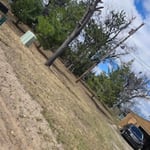
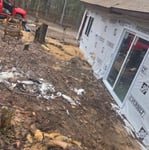
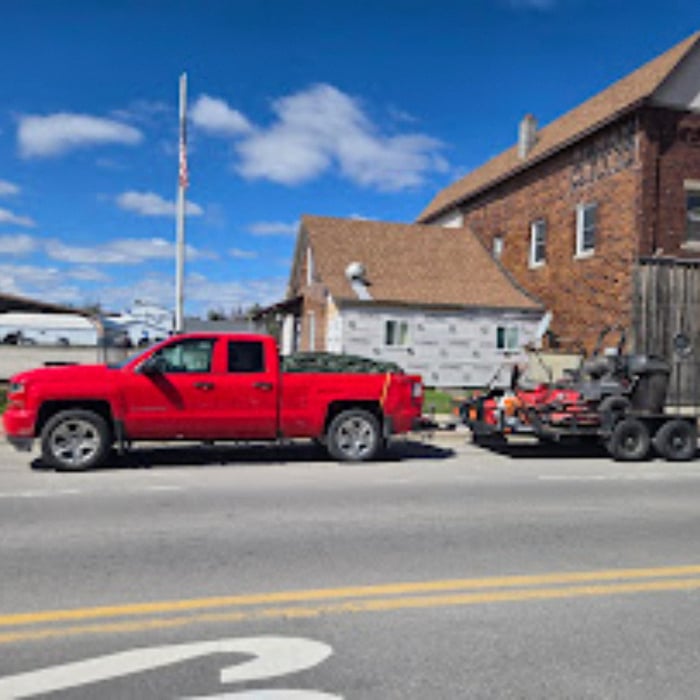
"Upon moving into a new house, we needed to modify our existing pole barn with taller doors to accommodate our travel trailer. The garage door company highly recommended Knoch and Sons to do the construction. Randy and Tina Knoch responded promptly to our call and devised a plan to accomplish the job. Not only did they modify one of the front garage doors but they also added a new opening in the back of the barn for an exit door. The work was done promptly and professionally. The barn looks like it was never touched! The install is perfect! We would highly recommend their work for any construction job!"
Blue Horizon Landscaping is a premier full service landscaping company that operates out of Indian River, MI. We pride ourselves on high quality work and precise attention to details. Call today!
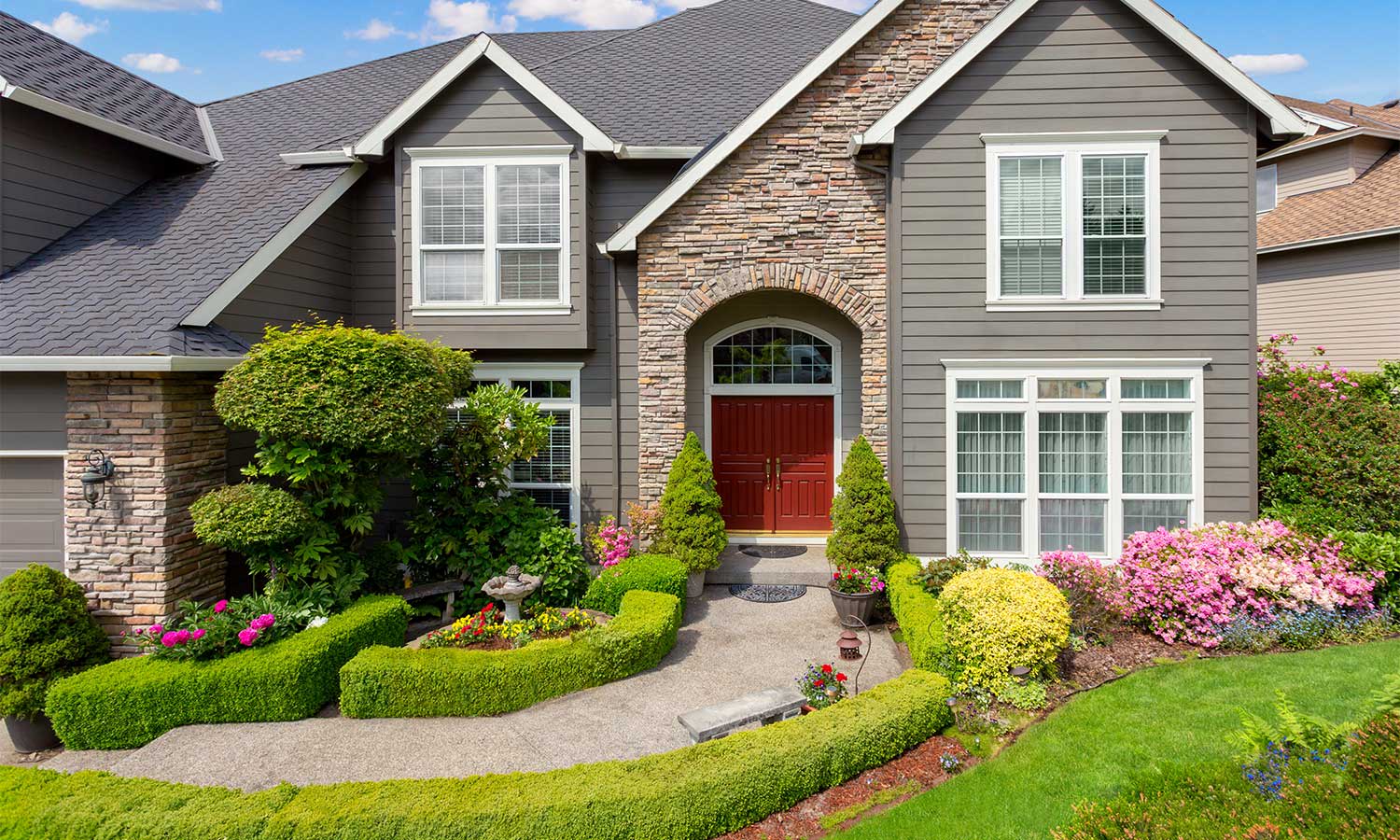
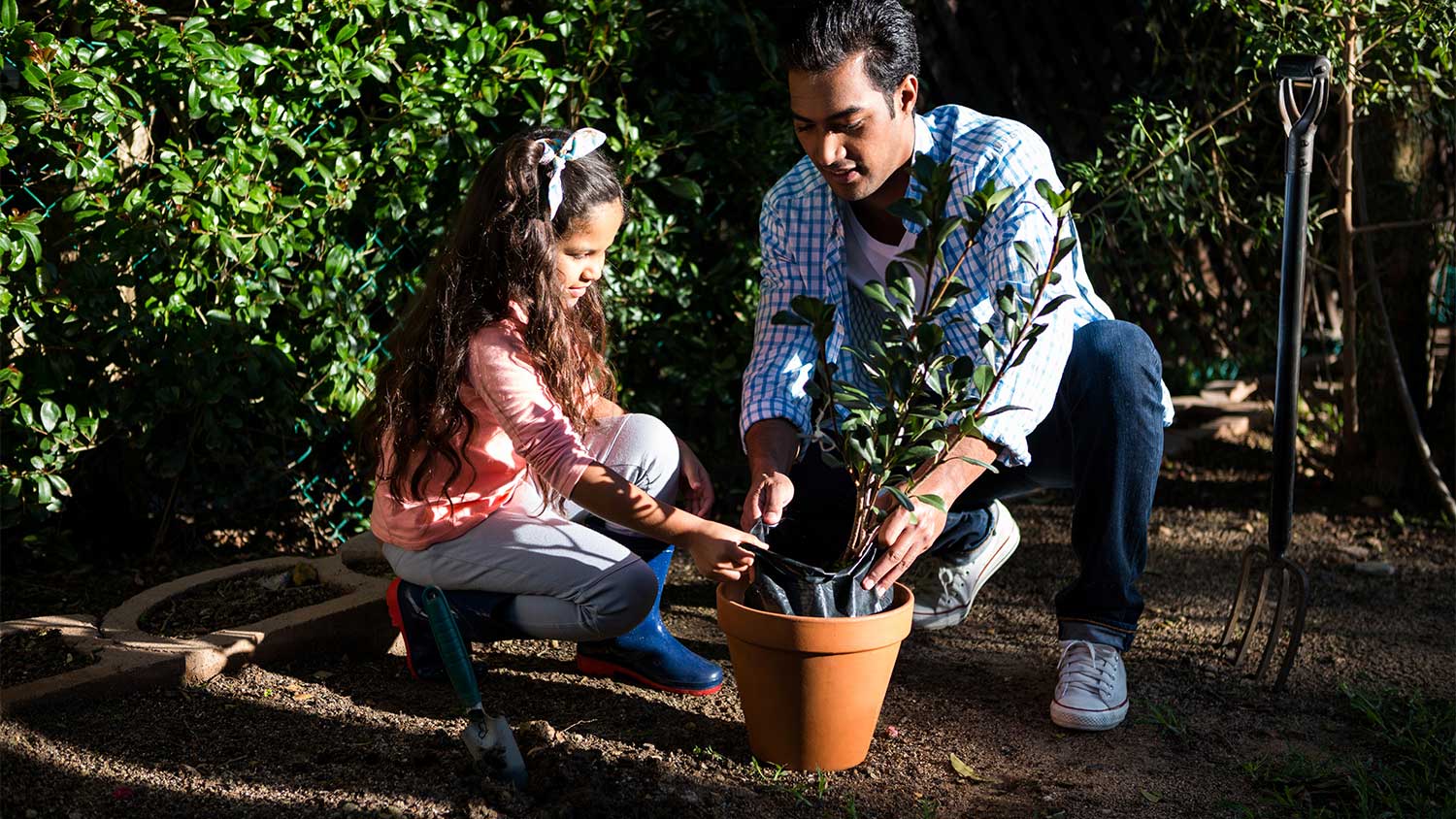
DIY home gardening can be relaxing, joyful, and cost-effective. From mowing your lawn to planting your own flower beds, there is a wide variety of gardening tasks that you can do yourself to make your yard look beautiful. If you’d rather spend your time not in the dirt, or if you’d like someone to take care of your plants for you, calling a professional gardening service is best. They can give you a workup of what services you’ll need and how often to schedule them.
The best time to plant is between spring and autumn. Springtime weather is typically mild and is when nurseries start to bloom. When the summer weather arrives and it’s hot out, it’s best to avoid planting bare-root plants, but you can still plant many in-container varieties. The first sign of fall is another great opportunity to plant biennials if you live in southern states, or a lovely vegetable garden up north.
The best time to plant a privet hedge is autumn, ideally October or early November. Fall is the best time to plant privet hedges because young plants need plenty of water to jump-start their growth, and it typically rains more during this season. However, you can also successfully plant privets in the spring.
Yes, weeds can still grow in decomposed granite. If properly compacted, it can act as a good weed suppressant, meaning you’ll only pull weeds occasionally. But no ground cover is completely weed-proof. To further prevent weeds, you can try spraying your decomposed granite with distilled white vinegar.
Yes, you can absolutely transplant bushes instead of removing them completely. The success depends on the size of the bushes, their age, and the transplanting season. Ideally, transplant during the dormant season (late fall or winter). Dig out the entire root system in one piece, fill the new hole with fresh soil and mulch, and water thoroughly after planting.
The Charlevoix, MI homeowners’ guide to landscaping services
From average costs to expert advice, get all the answers you need to get your job done.
A landscape designer can elevate your outdoor space and bring your vision to life. Use this landscape design cost guide to budget for your next project.
You've heard of landscape designers and landscape architects, but what's the difference? Here's when to hire each pro to bring new life to your landscape.