





Top-rated retaining wall installation pros.

Get matched with top retaining wall installation pros in Branch, MI

Enter your zip and get matched with up to 5 pros

Need a pro for your retaining wall installation project in Branch, MI?

Select your specific project to find the pro for you.

TRUSTED BY BRANCH, MI HOMEOWNERS

  • Average homeowner rating star icon4.7
    Average homeowner rating
  • Verified reviews icon14
    Verified retaining wall installation services reviews

Find Retaining wall installation pros in Branch

Avatar for Spuller Concrete
Spuller Concrete
2.9(
8
)
Retaining Wall - Install

Serving Branch, MI and surrounding areas

Approved

In business since 1980

Free estimates

Customers say: Quick response

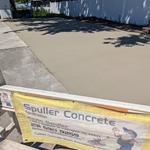
"My experience with Spuller Concrete was excellent. In three days, they removed the old, broken concrete, prepared the area (including removing the tree roots that caused the problem), poured and finished the new concrete, and restored the side areas to pre-work condition. The team was friendly and hard working. Kevin returned days later to check that I was pleased with the results. I can't praise and compliment Spuller Concrete enough."
Our work
Our work
Our work
2 neighbors recently requested a quote
Recommended by100%of homeowners
Showing 1-10 of 19
Retaining Wall Installers questions, answered by experts

While vinyl is the least costly material for building a retaining wall, the most cost-effective method is to use wood or concrete blocks for a DIY retaining wall under 2 feet tall. Wood is inexpensive but lasts 20 years or more with care. Concrete can cost a little more but is stronger and will last longer with less maintenance.

Small retaining walls still require a foundation of some kind, typically a concrete footing. This helps to ensure the wall is structurally sound and prevents the ground from shifting over time, especially during those winter freeze/thaw cycles. The footing helps spread the weight of the wall and the load it carries over a larger area of the ground, thus assisting with stability. This is true of small retaining walls, larger rock garden walls, and the like. 

Generally speaking, a retaining wall should be between 3 and 4 feet high, depending on variables such as the wall-building material, the purpose of the retaining wall, and more. If you want your retaining wall to be taller than 4 feet, check with your local building ordinance office for the maximum allotment. You may also need a special permit for retaining walls over 4 feet tall.

Failure to compact the soil during construction is the most common cause of leaning retaining walls. In addition, poor drainage can lead to excessive water pressure behind a retaining wall, pushing against it until it begins to move forward away from the soil it is holding back.

Each design is different, so we can’t say definitively if you’ll need a dedicated drainage system in place for a two-foot retaining wall. However, you can likely skip the drainage, as this project is typically served for walls that are 4 feet tall or more. Even with a relatively low wall, consider drainage if you are building on top of clay or poor-draining soil types or if there are buried water sources nearby, like a well used for other outdoor garden projects.

The Branch, MI homeowners’ guide to retaining wall installation services

From average costs to expert advice, get all the answers you need to get your job done.