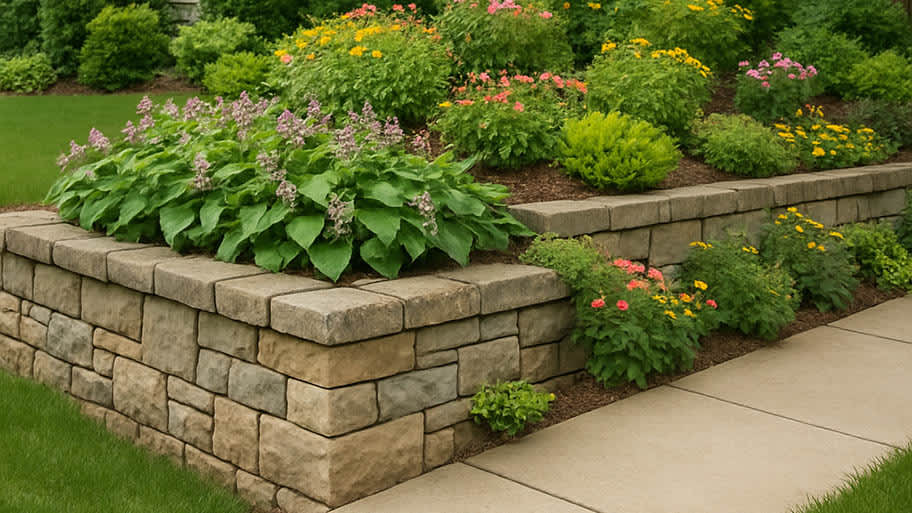





Top-rated retaining wall installation pros.

Best retaining wall installation pros near Kaleva, MI

Enter your zip and get matched with up to 5 pros

Need a pro for your retaining wall installation project in Kaleva, MI?

Select your specific project to find the pro for you.

Top-Rated Retaining wall installation pros in Kaleva - Updated Nov 2026

Avatar for Destination Home Builders
Destination Home Builders
3.7(
3
)
Retaining Wall - Install

Serving Kaleva, MI and surrounding areas

In business since 2021

Emergency services offered

Credit card accepted

"Joel and his team did a great job. Arrived on time, were diligent in their work and paid attention to the details. They stuck right with the project until completion. At the end Joel took the time to review everything to make sure it finished as expected. Well done. And I already have more work lined up for Joel and his team."
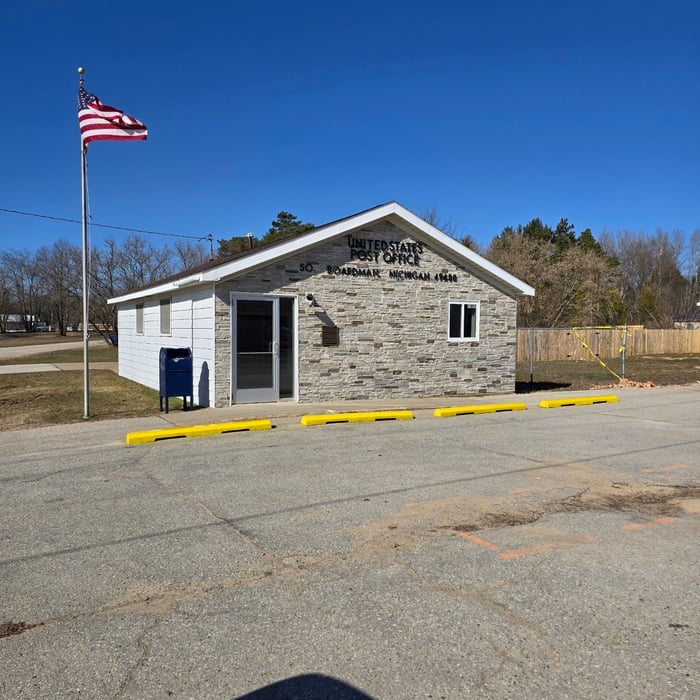
South Boardman Post Office

+17

Response time4 days
Response rate100%
Recommended by33%of homeowners
Showing 1-10 of 27
Retaining Wall Installers FAQs, answered by experts

Each design is different, so we can’t say definitively if you’ll need a dedicated drainage system in place for a two-foot retaining wall. However, you can likely skip the drainage, as this project is typically served for walls that are 4 feet tall or more. Even with a relatively low wall, consider drainage if you are building on top of clay or poor-draining soil types or if there are buried water sources nearby, like a well used for other outdoor garden projects.

Sand and gravel are two suitable options for filling behind a retaining wall. If you’re building your own retaining wall, you’ll complete this part of the process—known as backfilling—after you finish laying the blocks. Make sure not to skip it—otherwise, you could wind up with drainage issues, which can cause your retaining wall to collapse.

Most railroad tie retaining walls have a life span of 20 to 30 years, though you may need to replace your wall sooner if it’s repeatedly exposed to heavy rain, runoff, and excess moisture. Railroad ties are typically treated with creosote, which makes them much more durable than untreated wood. Though they last longer, they don’t last forever. For the most longevity, make sure your retaining wall has a sturdy base and steel reinforcements. You should also install drainage to direct water away from the wall.

Generally, a railroad tie retaining wall consisting of a single line of ties should be between 3 and 4 feet tall—and the height often tops out at around 6 feet. You can go taller, but you may need additional footings and reinforcements, including a second layer of railroad ties to support the added weight of the soil it’s holding back.

The lifespan of a retaining wall varies based on its material, installation quality, maintenance, and local climate, with an average range of 20 to 100 years. Retaining walls made from durable materials like concrete, stone, and brick generally last a minimum of 50 years. Concrete walls typically last between 50 and 100 years, while brick can last for over a century in ideal conditions. Timber retaining walls can last from 20 to 40 years, depending on the wood quality, and pressure-treated wood walls average around 30 years. It is important to note that a retaining wall can fail prematurely if it was poorly constructed, for example, with inefficient footings or without necessary rebar reinforcements.

The Kaleva, MI homeowners’ guide to retaining wall installation services

From average costs to expert advice, get all the answers you need to get your job done.