







Top-rated retaining wall installation pros.

Get matched with top retaining wall installation pros in Irons, MI

Enter your zip and get matched with up to 5 pros

Need a pro for your retaining wall installation project in Irons, MI?

Select your specific project to find the pro for you.

TRUSTED BY IRONS, MI HOMEOWNERS

  • Average homeowner rating star icon5
    Average homeowner rating
  • Verified reviews icon20
    Verified retaining wall installation services reviews

Find Retaining wall installation pros in Irons

Avatar for Spuller Concrete
Spuller Concrete
2.9(
8
)
Retaining Wall - Install

Serving Irons, MI and surrounding areas

Approved

In business since 1980

Free estimates

Customers say: Quick response

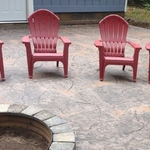
"Spuller did a great job on our patio. Communicated throughout the process and were prompt with their estimate and schedule of the project. Would use them again."
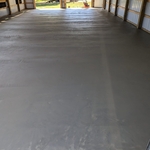
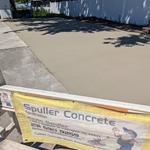
Our work
Our work
Our work
4 neighbors recently requested a quote
Recommended by100%of homeowners
Avatar for Guevara Land Art Landscaping
Guevara Land Art Landscaping
5.0(
5
)
Retaining Wall - Install

Serving Irons, MI and surrounding areas

In business since 2024

Free estimates

Credit card accepted

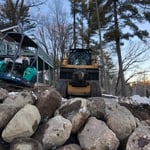
"Very professional, responsive to texts. Gave me a fair estimate based on a walk through of my property. Showed up on time, did the job well and sent photos. Great to work with!"
Boulder Wall Installation
Landscaping Project
Landscaping Project
Landscaping Project
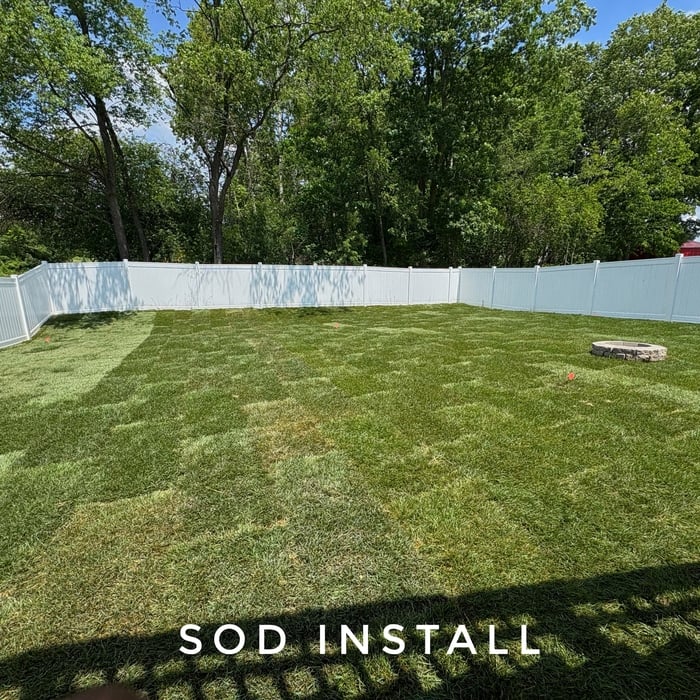
Sod installation

+47

Response time1 day
Response rate100%
Recommended by100%of homeowners
Showing 1-10 of 21
Retaining Wall Installers questions, answered by experts

Generally, a railroad tie retaining wall consisting of a single line of ties should be between 3 and 4 feet tall—and the height often tops out at around 6 feet. You can go taller, but you may need additional footings and reinforcements, including a second layer of railroad ties to support the added weight of the soil it’s holding back.

Sand and gravel are two suitable options for filling behind a retaining wall. If you’re building your own retaining wall, you’ll complete this part of the process—known as backfilling—after you finish laying the blocks. Make sure not to skip it—otherwise, you could wind up with drainage issues, which can cause your retaining wall to collapse.

Each design is different, so we can’t say definitively if you’ll need a dedicated drainage system in place for a two-foot retaining wall. However, you can likely skip the drainage, as this project is typically served for walls that are 4 feet tall or more. Even with a relatively low wall, consider drainage if you are building on top of clay or poor-draining soil types or if there are buried water sources nearby, like a well used for other outdoor garden projects.

While vinyl is the least costly material for building a retaining wall, the most cost-effective method is to use wood or concrete blocks for a DIY retaining wall under 2 feet tall. Wood is inexpensive but lasts 20 years or more with care. Concrete can cost a little more but is stronger and will last longer with less maintenance.

To maintain the integrity of your landscape, a retaining wall must be installed if the slope of the angle exceeds 35 degrees. The lean of the wall must be 1 inch per 12 inches in height to disperse the weight of the soil uniformly and guarantee the correct drainage of the soil.

The Irons, MI homeowners’ guide to retaining wall installation services

From average costs to expert advice, get all the answers you need to get your job done.