





Top-rated bird control service pros.

Get matched with top bird control service pros in Attica, MI

Enter your zip and get matched with up to 5 pros

Need a pro for your bird control service project in Attica, MI?

Select your specific project to find the pro for you.

TRUSTED BY ATTICA, MI HOMEOWNERS

  • Average homeowner rating star icon4.5
    Average homeowner rating
  • Verified reviews icon68
    Verified bird control services reviews

Find Bird control service pros in Attica

Avatar for A Pesky Critter Removal
A Pesky Critter Removal
3.7(
564
)
Pest Control - Birds and BatsPest Control - Birds and Bats - For Business

Serving Attica, MI and surrounding areas

Approved

In business since 2006

Emergency services offered

Warranties offered

"The people that came to fix my bird problem was very nice new what they were doing they were prompt courteous and they quoted me a really nice price I had someone I had talk to earlier that was trying to scam me for $2900 to remove a Birdsnest and close off the entryway to the Ness I wasnâ t going to use them because I felt funny about it when I didnâ t pay and told them that they would have to get paid when the service was done they did not show up"
Response time3 hrs
Response rate92%
263 neighbors recently requested a quote

Bird Control questions, answered by experts

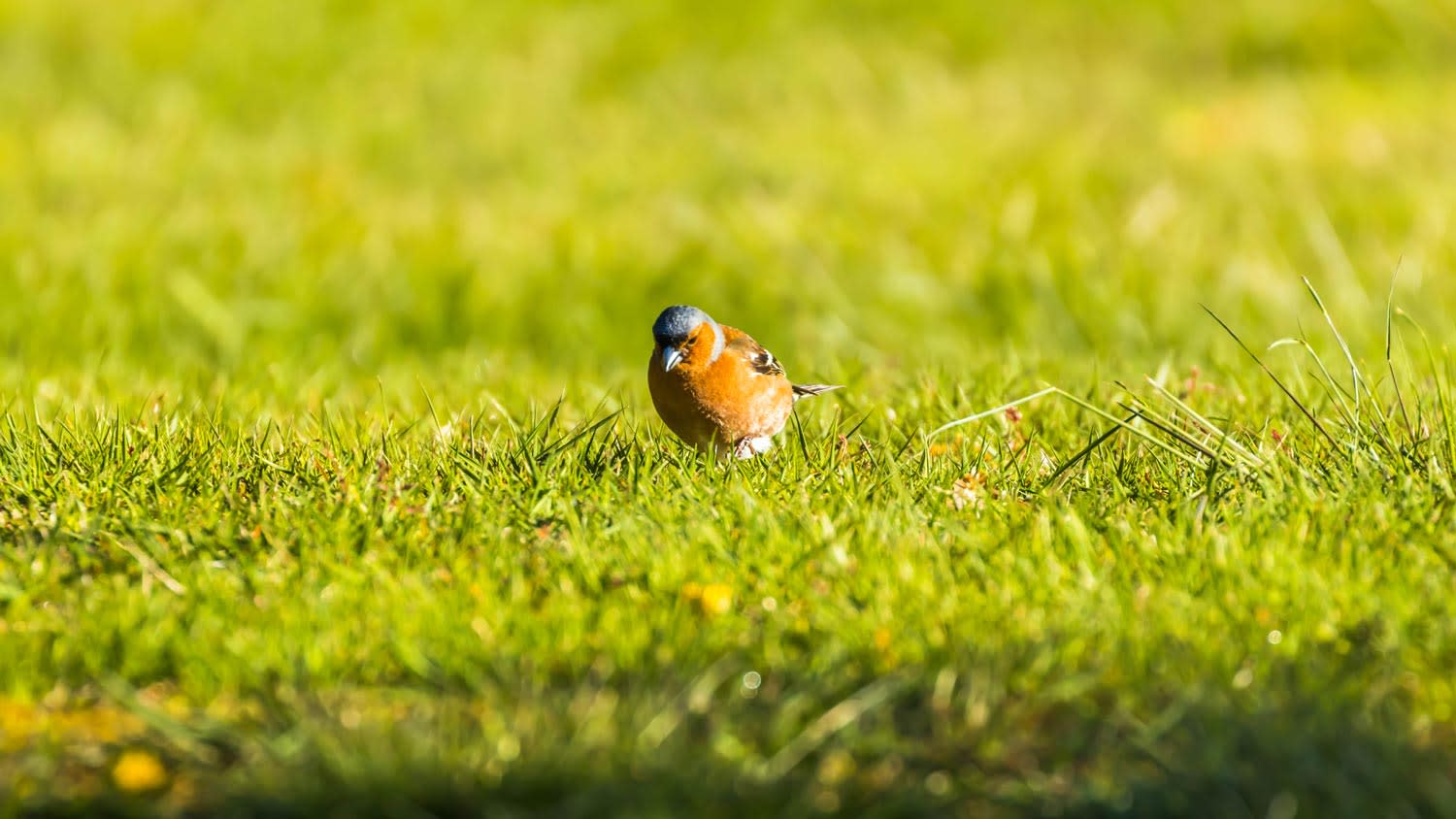
Birds eat grass seed for one simple reason—it’s delicious! The seeds are rich in nutrients such as carbohydrates, proteins, and fats. Seeds are also high in energy, so humans eat trail mix loaded with seeds and nuts for long-distance activities. Grass seed, when unprotected, is also exceptionally easy to access.

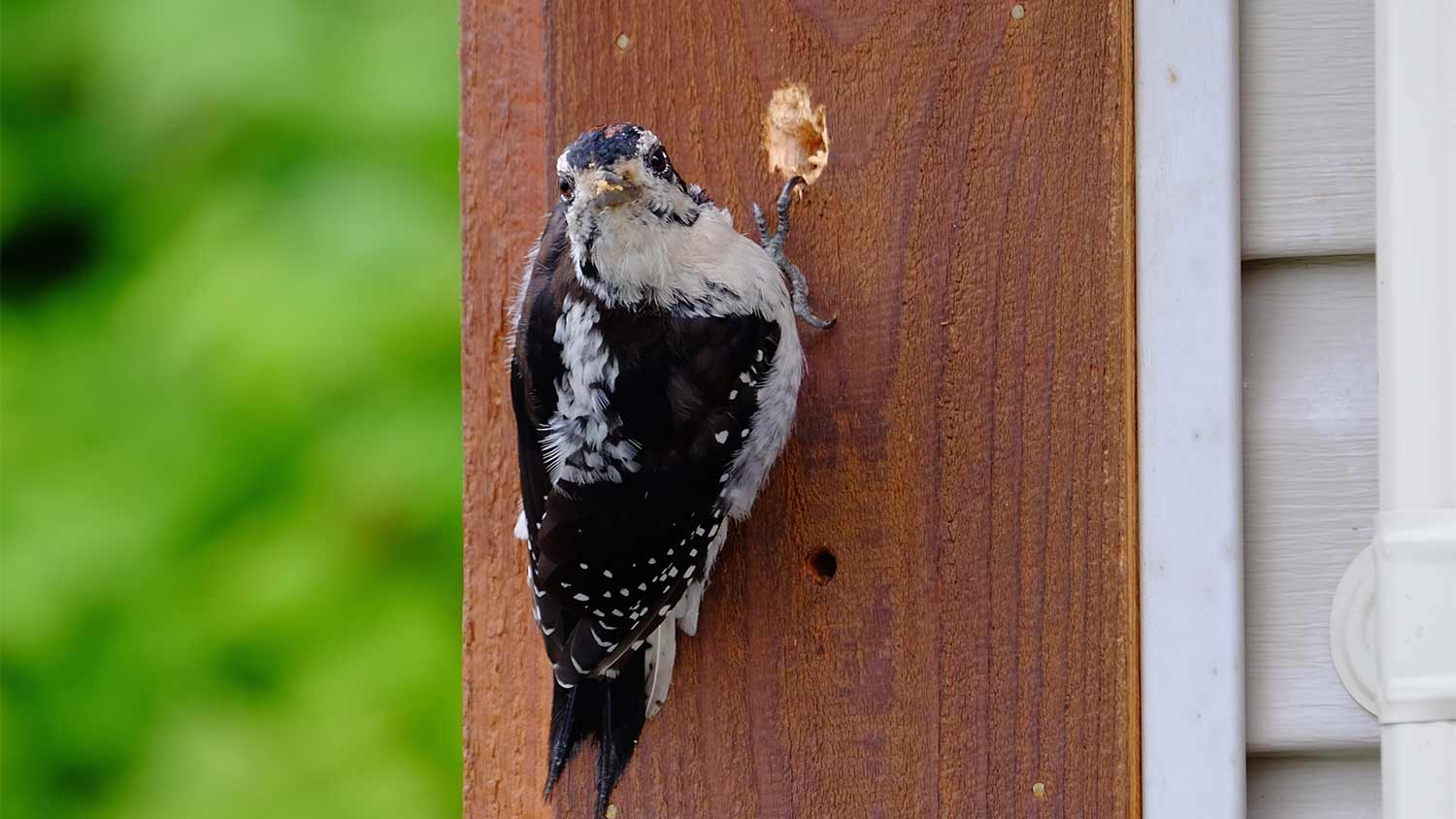
Woodpeckers peck at the break of dawn and take a break whenever the sun is not shining. On sunny days, expect pecking from dawn to dusk. On cloudy days, expect sporadic pecking when the sun peeks through. These birds are most active in the spring; you’ll hear them drumming as soon as the weather turns warm. 

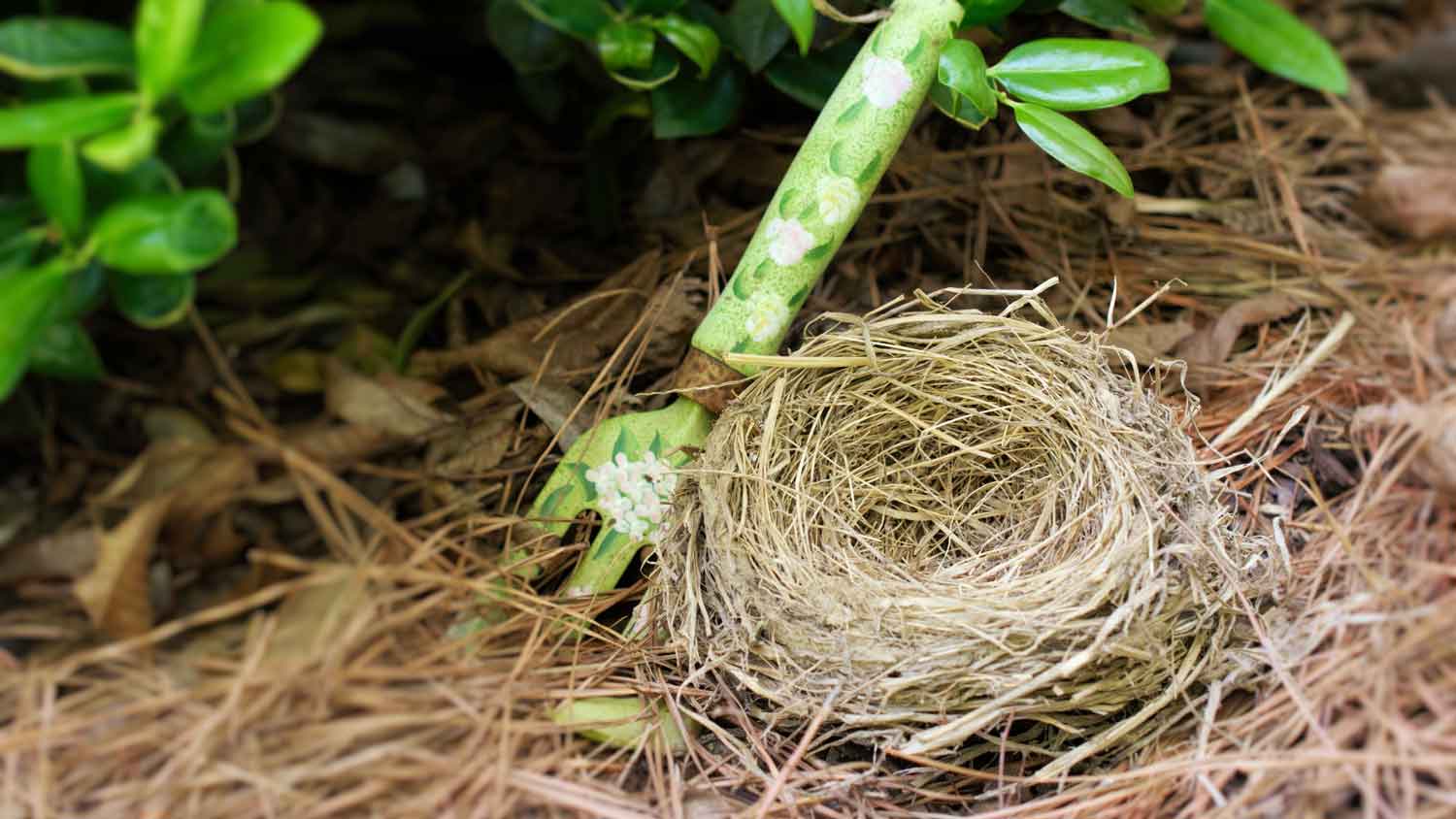
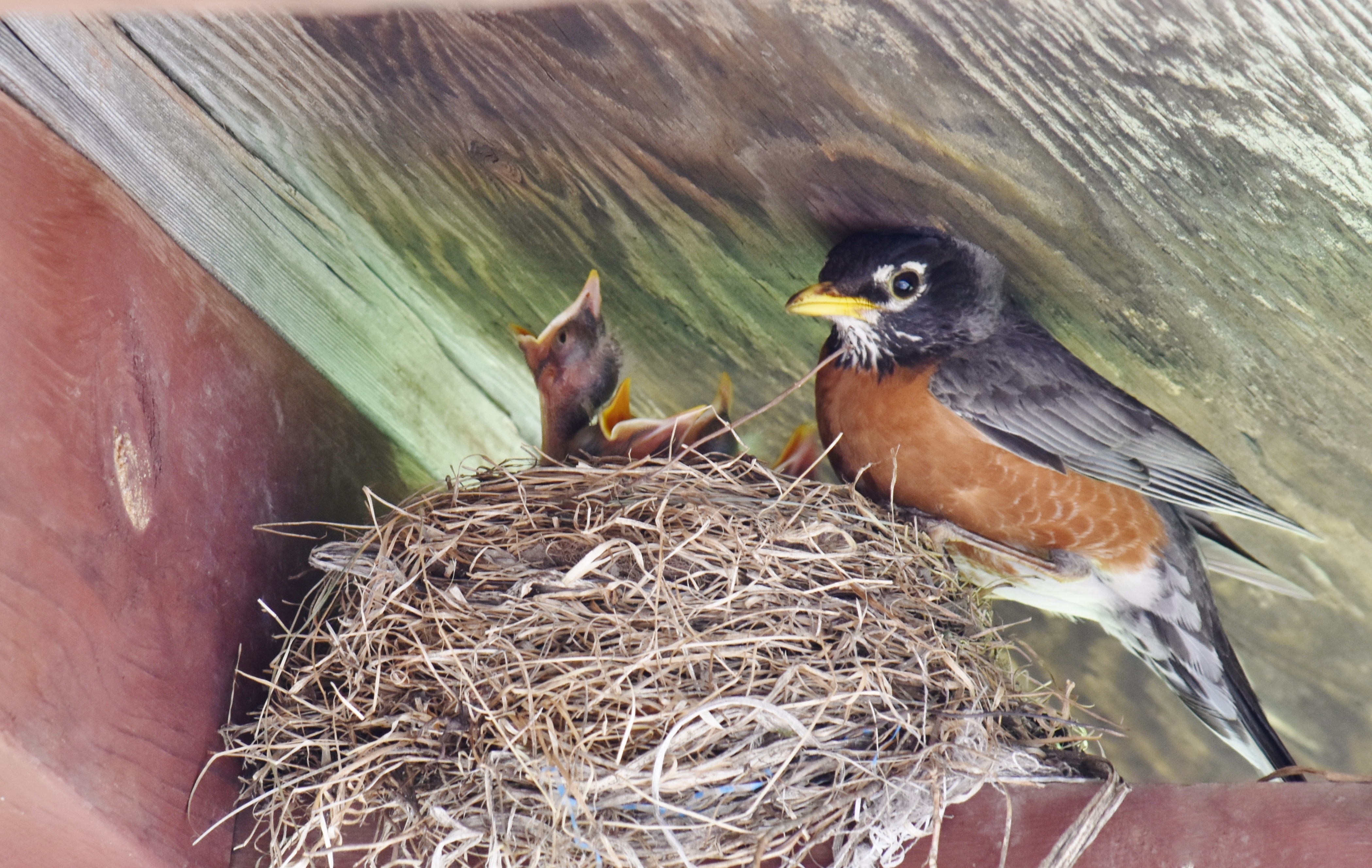
The lifespan of a bird's nest depends on the species. The building process can take from two days to three weeks. Once built, the nesting period for baby birds can last from two to ten weeks before they leave the nest. While most young birds are ready in two to six weeks, some predatory species may need up to two and a half months. Some species nest four to five times per year, so a nest could remain in use for several months. For specific information about a particular nest's longevity, it is best to consult a wildlife professional.

Using audio and visual methods to discourage birds might work initially, but birds tend to acclimate to them over time. While chemical deterrents can show some effectiveness, their results can be inconsistent. Some may dissipate too quickly, and there's a risk they might cause unintended damage to your surroundings. Additionally, birds might become immune or resistant to the impact of such treatments.

They can have a deterrent effect on birds to some extent. The reflective surfaces of these objects, such as aluminum foil strips, CDs, or reflective tape, create flashes of light and movement that can startle or confuse birds temporarily. However, some birds can become accustomed to these visual disturbances over time and might adapt their behavior accordingly. For a more sustained solution, combining shiny objects with other deterrent methods shared here is often beneficial for creating a more comprehensive and effective strategy for bird control.

The Attica, MI homeowners’ guide to bird control services

From average costs to expert advice, get all the answers you need to get your job done.