





Top-rated bird control service pros.

Best bird control service pros near Almont, MI

Enter your zip and get matched with up to 5 pros

Need a pro for your bird control service project in Almont, MI?

Select your specific project to find the pro for you.

TRUSTED BY ALMONT, MI HOMEOWNERS

  • Average homeowner rating star icon4.5
    Average homeowner rating
  • Verified reviews icon70
    Verified bird control services reviews

Top-Rated Bird control service pros in Almont - Updated Nov 2026

Avatar for A Pesky Critter Removal
A Pesky Critter Removal
3.7(
569
)
Pest Control - Birds and BatsPest Control - Birds and Bats - For Business

Serving Almont, MI and surrounding areas

Approved

In business since 2006

Emergency services offered

Warranties offered

"The people that came to fix my bird problem was very nice new what they were doing they were prompt courteous and they quoted me a really nice price I had someone I had talk to earlier that was trying to scam me for $2900 to remove a Birdsnest and close off the entryway to the Ness I wasnâ t going to use them because I felt funny about it when I didnâ t pay and told them that they would have to get paid when the service was done they did not show up"
Response time3 hrs
Response rate92%
225 neighbors recently requested a quote

Bird Control FAQs, answered by experts

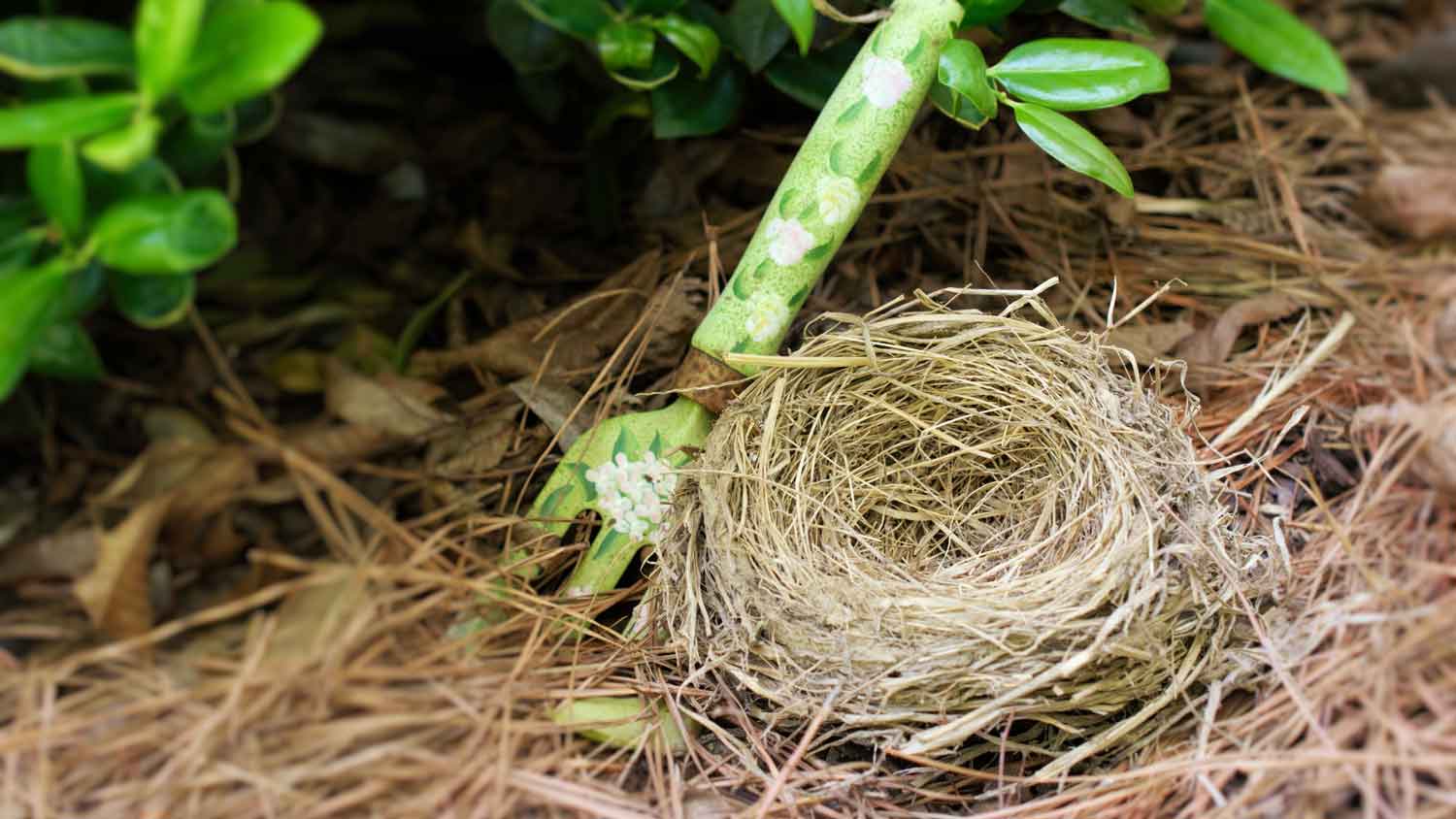
The lifespan of a bird's nest depends on the species. The building process can take from two days to three weeks. Once built, the nesting period for baby birds can last from two to ten weeks before they leave the nest. While most young birds are ready in two to six weeks, some predatory species may need up to two and a half months. Some species nest four to five times per year, so a nest could remain in use for several months. For specific information about a particular nest's longevity, it is best to consult a wildlife professional.

An owl's worst enemy in the wild is often other raptors and environmental factors. Among the avian threats, larger owls or other birds of prey can pose a danger, engaging in territorial disputes or competing for food resources. Terrestrial predators like foxes, raccoons, and larger mammals may target owl nests or young fledglings. Environmental factors like severe weather conditions, habitat loss, and food availability changes can also significantly impact owl populations.

It can be difficult to know what type of animal is in your attic until you see it. But several clues can help you narrow down the suspects:

  • Sounds: Smaller animals like rats and mice make scurrying and tapping/gnawing sounds. Larger animals like raccoons and opossums make louder clambering noises. Also, note when animals are noisy: Squirrels are active during the day, while rats are busiest at night.

  • Droppings: Rats and mice leave small, rice-shaped droppings (the rat’s version is significantly larger). Bigger droppings belong to larger critters like raccoons. As long as you’re not squeamish, an image search can help you identify what you’re seeing in your attic.

When in doubt, take photos of damage or other evidence and show them to an experienced pest control pro.

In most cases, a mother bird will return to a disturbed nest after the disturbance has passed. However, it can be hard for a mother bird to find a relocated nest. So, while it’s false that a mother bird will abandon her nest if it’s been disturbed, it’s not a good idea to relocate a nest with live babies or eggs in it.

Woodpeckers usually feed on homes when there is a food source present, and termites are one possible source. However, the presence of woodpeckers doesn’t necessarily mean there are termites. They may also be feeding on more harmless insects like ants or spiders. If woodpeckers seem drawn to one particular part of your home’s siding, it might be worth hiring a termite inspector to check for the presence of these pesky critters.

The Almont, MI homeowners’ guide to bird control services

From average costs to expert advice, get all the answers you need to get your job done.