





Top-rated fireplace pros.

Get matched with top fireplace pros in Allenton, MI

Enter your zip and get matched with up to 5 pros

Need a pro for your fireplace service project in Allenton, MI?

Select your specific project to find the pro for you.

TRUSTED BY ALLENTON, MI HOMEOWNERS

  • Average homeowner rating star icon4.1
    Average homeowner rating
  • Verified reviews icon16
    Verified fireplace services reviews

Find Fireplace pros in Allenton

...
Showing 1-10 of 56
Fireplaces questions, answered by experts

Regular fireplace servicing is vital for safety and efficiency. You must inspect and clean wood-burning fireplaces annually to remove creosote buildup and address potential issues. Gas fireplaces benefit from annual inspections to ensure proper functioning and safety. More frequent servicing may be necessary if you use your fireplace extensively or live in an area with harsh winters. Always consult a local professional to establish a suitable servicing schedule for your fireplace.

Yes, it can be worth installing a gas fireplace, depending on your home heating needs. The cost to install a gas fireplace can be much lower than the cost to install a comparable wood-burning fireplace. The convenience of starting a fire with the flip of a switch and turning it off just as quickly makes a gas fireplace a big time saver over starting and maintaining a wood-fueled fire. A gas fireplace also does not require ash cleanup or frequent chimney cleaning to remove creosote and other buildup that can lead to chimney fires. Gas fireplaces burn and heat much more cleanly than wood fireplaces.

The best location for a wood stove depends on your home's layout and venting options. For optimal heat distribution, a central location on the ground floor, such as the living room, is often recommended. If you have an existing, functional chimney, installing the stove there can simplify the venting process. Alternatively, placing the stove near an outside wall can make it easier to route a new chimney through the roof. For safety, ensure no combustible materials are near the stove. Building codes typically require 20 to 36 inches of clearance between the stove and any side walls.

Your state, city, or even homeowners insurance company may have requirements on how far the outdoor wood furnace should be from the house, so be sure to abide by those regulations. In general, you should install an outdoor wood furnace or boiler as few as 30 feet or as much as 500 feet from the house or any other building.

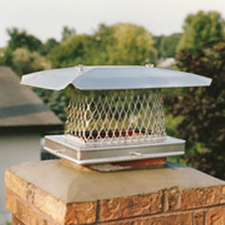
A chimney requires both a cover and a cap, but these parts often get confused with one another. A chimney cover seals the top of the chimney around the flue pipe to prevent water from entering the chimney. A chimney cap is a piece that sits above the flue to prevent animals, debris, and water from entering the flue.

The Allenton, MI homeowners’ guide to fireplace services

From average costs to expert advice, get all the answers you need to get your job done.