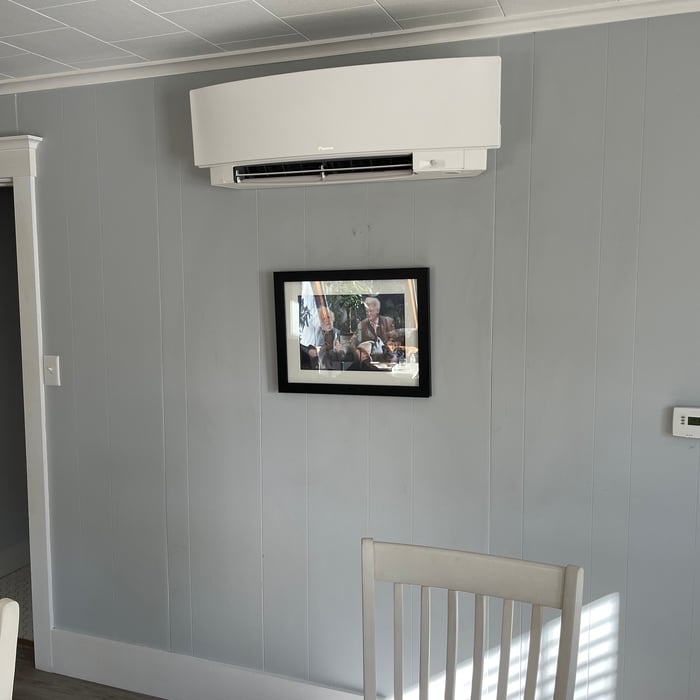





Top-rated heating and air conditioning pros.

Best heating and air conditioning pros near Sebago, ME

Enter your zip and get matched with up to 5 pros

Need a pro for your heating and air conditioning service project in Sebago, ME?

Select your specific project to find the pro for you.

TRUSTED BY SEBAGO, ME HOMEOWNERS

  • Average homeowner rating star icon4.3
    Average homeowner rating
  • Verified reviews icon28
    Verified heating and air conditioning services reviews

Top-Rated Heating and air conditioning pros in Sebago - Updated Nov 2026

Avatar for Heat Pumps of Maine
Heat Pumps of Maine
4.8(
17
)
Ductless Mini-split A/C - Install or ReplaceDuctless Mini-split Heating System - Install or ReplaceHeat Pump - Install or Replace+1 more

Serving Sebago, ME and surrounding areas

Approved

In business since 2021

Free estimates

Warranties offered

"Incredibly professional, always happy to answer questions. Unlike other places that install and you never hear from again, Cam, David, and crew make sure your heat pump stays in tip top shape with yearly cleanings. They even offered to clean a unit that another contractor put in a year prior who refused to come clean it. I got quotes from over 8 different companies for my second heat pump, and Heat Pumps of Maine were a clear step above the rest."
Heat Pump
Heat Pump
Heat Pump
Heat Pump
Response time1 day
Recommended by85%of homeowners
JT Heating Service
4.7(
21
)
Gas Boiler or Radiator Heating System - RepairGas Furnace / Forced Air Heating System - RepairOil Boiler or Radiator Heating System - Repair+5 more

Serving Sebago, ME and surrounding areas

Approved

In business since 2017

Free estimates

Credit card accepted

"Justin from JT Heating called promptly to ask about my service request and arrived promptly as well. He was courteous and professional and kept me informed throughout the repair. He repaired the plumbing leak efficiently and quickly. When I asked for another appointment to have my furnace cleaned, he said he was able to do it right then. I was very pleased with his work on the plumbing and on my furnace and would definitely hire him again for any further needs. I highly recommend this company for their efficient service and professionalism."
Response time3 hrs
Recommended by94%of homeowners
...
Showing 1-10 of 149
Heating and Air Conditioning FAQs, answered by experts

Dry mode positively impacts indoor air quality by reducing excess moisture, which stops the growth of mold and mildew. By maintaining optimal humidity levels, dry mode creates a less hospitable environment for allergens and airborne pathogens, improving overall air quality. However, it's essential to ensure proper ventilation to prevent stale air accumulation.

Yes, ventless portable air conditioners exist, and not all standard portable air conditioners must be vented through a window.

Ventless portable units, often called evaporative coolers, do not have exhaust hoses. They use a water reservoir and a cooling pad to add moisture to the air, making it feel cooler. These units work best in dry climates because humid areas cannot absorb much additional moisture.

For standard portable air conditioners that do require venting, a window is not the only option; they can also be vented through a door, wall, or ceiling. However, it is essential to vent these units properly. Running a standard portable AC without venting it is counterproductive because it needs to expel heat to cool the room. Failing to do so will only increase the room's temperature.

No. Evaporator coils are designed to work with specific refrigerant types, and they are rated by what kinds of refrigerant they use. It’s indicated with an “R” code. It’s important to match your evaporator coil and refrigerant or your system will not work properly. An AC technician can tell you what type of refrigerant your system needs and what evaporator coils will work with it.

The general rule of thumb for figuring out how much AC tonnage you need in your home is that for every 500 to 600 square feet of space you need to cool, you’ll need one ton of AC cooling power. So, a 1,000-square-foot home will need 2 tons of AC power. 

Yes, mini-split systems are generally less expensive to run than central air conditioners and are significantly more energy-efficient. Because mini-splits do not rely on ductwork, they avoid the energy loss associated with ducted systems, allowing cooled or heated air to reach its destination more efficiently. Additionally, they offer zoned control, meaning you can run units in individual rooms and turn them off in unoccupied areas. This capability can lead to energy savings of about 30% compared to a central air system, resulting in a lower monthly energy bill.

The Sebago, ME homeowners’ guide to heating and air conditioning services

From average costs to expert advice, get all the answers you need to get your job done.