

Get matched with top excavation pros in Durham, ME

Durham homeowners rate excavation pros in our network

4.9

(13 reviews)

Top-rated excavation pros.

Need a pro for your excavation project in Durham, ME?

Select your specific project to find the pro for you.

Find Excavation pros in Durham

Avatar for JM Excavating
JM Excavating
5.0(
3
)

Serving Durham, ME and surrounding areas

Approved

In business since 2019

Free estimates

Credit card accepted

"Jake and his team were awesome to work with and they'd be the first I'd recommend for any excavation job big or small. He was able to make our vision for a backyard into a reality and worked tirelessly (weekends included) to make it happen. Jake was on time, honest and dependable, which is unheard of in the current market!"
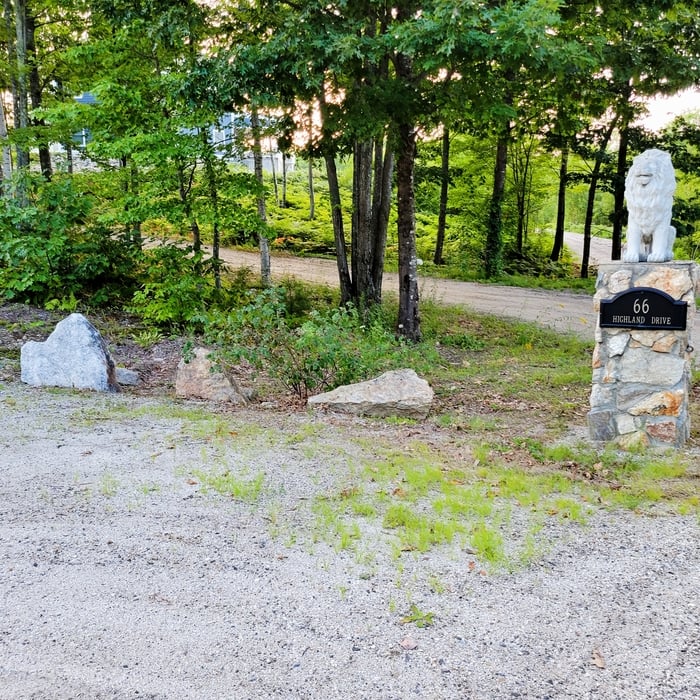
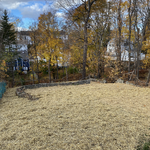
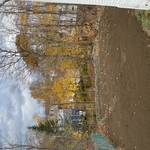
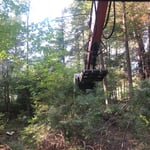
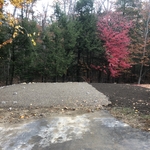
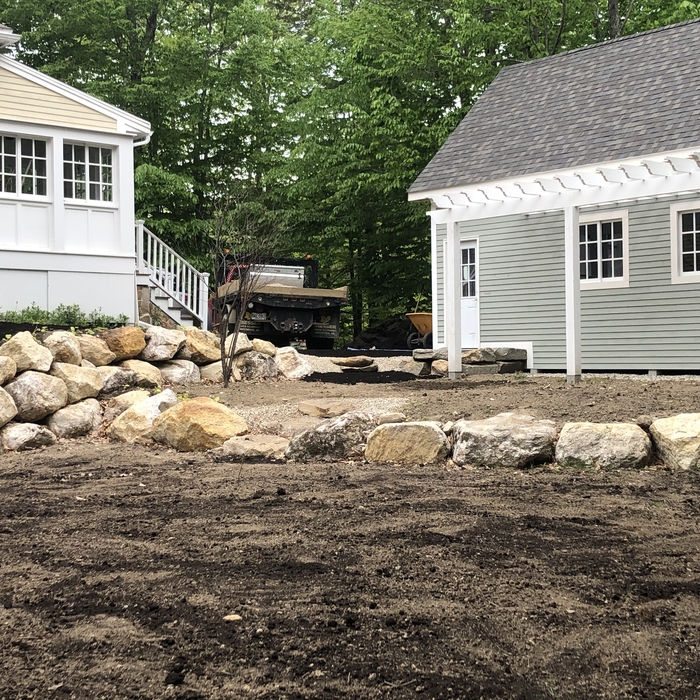
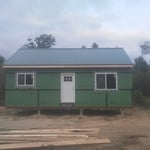
Camp Lot Cleared and Driveway Installed
Vacant Lot
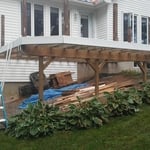
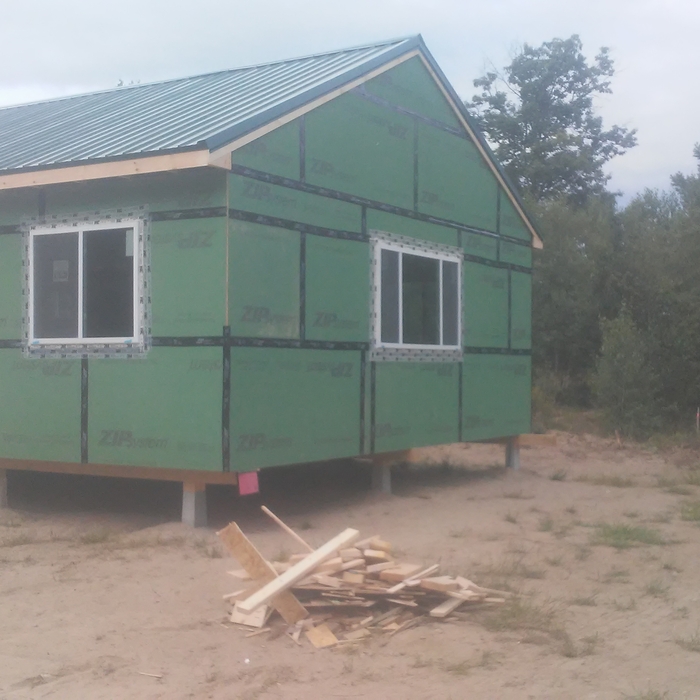
Shed Foundation Posts
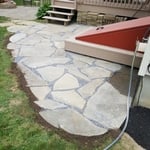
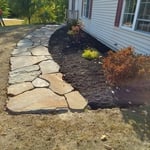
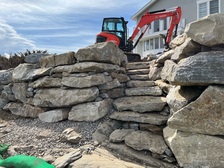
Rock Walls
Rock Walls

+12

Response time1 day
Recommended by100%of homeowners
Avatar for Bart Flanagan Tree Service
Bart Flanagan Tree Service
4.3(
87
)

Serving Durham, ME and surrounding areas

Approved

Super Service Award Winner

In business since 2009

Free estimates

Emergency services offered

"Showed up on time. Accommodated a small space work area. Cleaned up and even used a blower to clean up the lawn area. Had 2 maples that towered over our house, down in not time at all. It was a pleasure to work with them."
Response time2 days
207 neighbors recently requested a quote
Recommended by89%of homeowners
...
Showing 1-10 of 120
Excavating questions, answered by experts

No, you typically cannot use metal detectors to find your sewer line. Most sewer lines are made of non-metallic materials such as PVC, clay, or cast iron, which are not detectable by standard metal detectors. Metal detectors are designed to locate metallic objects, so they won't be effective for identifying the path of a non-metallic sewer line. To locate your sewer line accurately, it's best to use other methods.

Consultation with the local government helps identify necessary permits, avoid project delays or legal issues, and protect project integrity.

A trench that is less than 5 feet deep often doesn't require a protective system. Most residential trenches will not go this deep (the typical residential drainage trench is just 18 inches deep). In the event that an excavator needs to dig more than 5 feet beneath the surface, a protective system is required unless the excavation is in entirely stable rock.

A joint utility trench, or joint trench, is a long, buried ditch on a property that contains two or more utility lines rather than running the lines in multiple trenches. Some utilities, like gas and electric or electric and communication lines, are better suited to joint trenching, while others, like water and sewer, are not allowed to be in the same trench.

Trenching is a specific kind of digging. Trenching means digging a depression in the earth that’s deeper than it is wide, often with heavy machinery. Digging refers to any kind of removal of earth in order to create a human-made depression, hole, or cut in the earth’s surface. You can dig with big tools or even with just a hand shovel.

The Durham, ME homeowners’ guide to excavation services

From average costs to expert advice, get all the answers you need to get your job done.