


Top-rated excavation pros.

Get matched with top excavation pros in Poland, ME

Enter your zip and get matched with up to 5 pros

Need a pro for your excavation project in Poland, ME?

Select your specific project to find the pro for you.

TRUSTED BY POLAND, ME HOMEOWNERS

  • Average homeowner rating star icon4.5
    Average homeowner rating
  • Verified reviews icon22
    Verified excavation services reviews

Find Excavation pros in Poland

Avatar for JM Excavating
JM Excavating
5.0(
3
)
Building Site - Preparation and ClearingBuilding Site - Preparation and Clearing - For BusinessExcavation - Major Grading or Resloping+2 more

Serving Poland, ME and surrounding areas

Approved

In business since 2019

Free estimates

Credit card accepted

"Jake and his team were awesome to work with and they'd be the first I'd recommend for any excavation job big or small. He was able to make our vision for a backyard into a reality and worked tirelessly (weekends included) to make it happen. Jake was on time, honest and dependable, which is unheard of in the current market!"
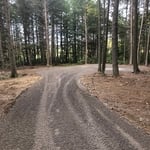
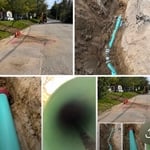
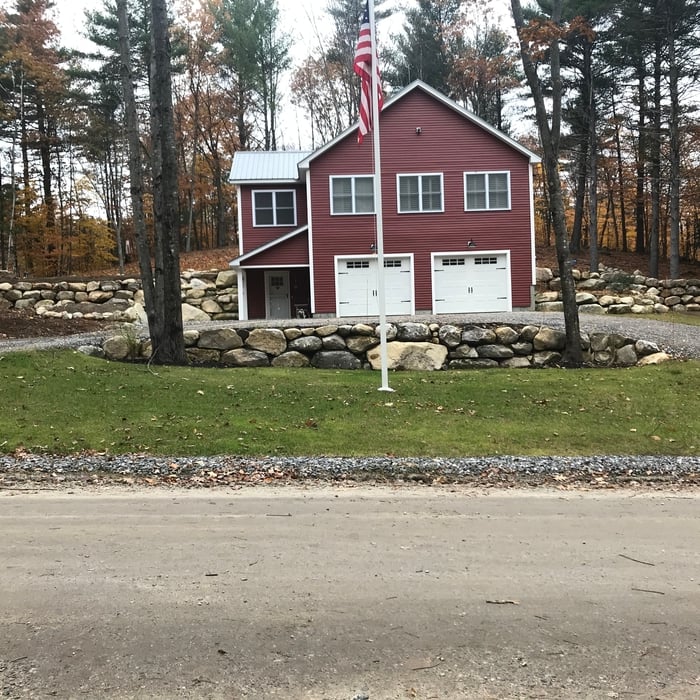
Camp Lot Cleared and Driveway Installed
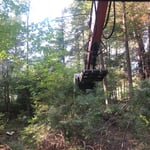
Vacant Lot
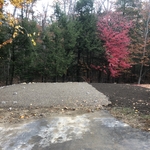
Shed Foundation Posts
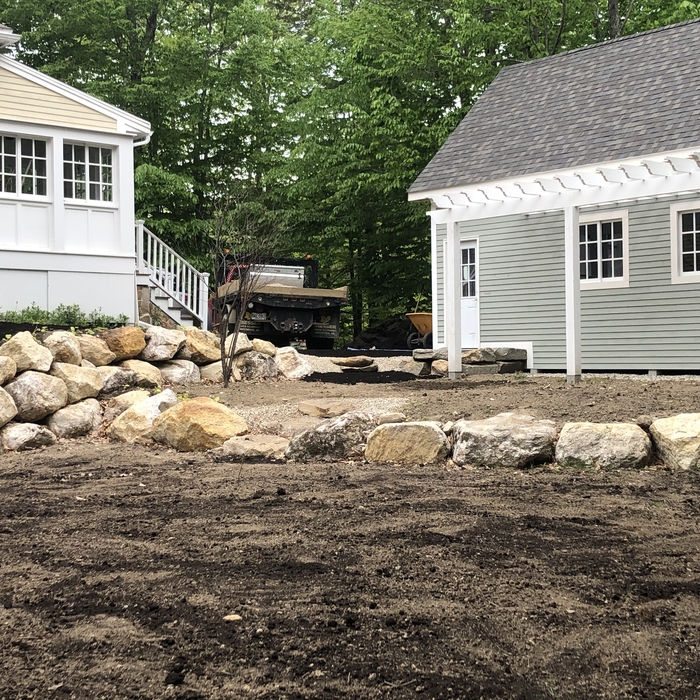
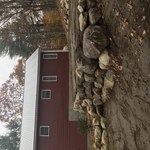
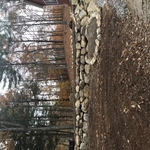
Rock Walls
Rock Walls

+12

Response time1 day
Recommended by100%of homeowners

Avatar for JGendron Paving & Excavation
JGendron Paving & Excavation
5.0(
11
)
Building Site - Preparation and ClearingExcavation - Major Grading or ReslopingLandscape - Minor Grading or Resloping

Serving Poland, ME and surrounding areas

Approved

"Excellent job by John and Jacob! They responded so quickly and actually completely the job on the same day of the initial contact. They were professional and very thorough. Everything was completed in less than two hours. We could not be more pleased and would highly recommend them to anyone looking to seal coat their driveway."
7 neighbors recently requested a quote
Avatar for Bart Flanagan Tree Service
Bart Flanagan Tree Service
4.3(
87
)
Building Site - Preparation and ClearingBuilding Site - Preparation and Clearing - For Business

Serving Poland, ME and surrounding areas

Approved

Super Service Award Winner

In business since 2009

Free estimates

Emergency services offered

"Showed up on time. Accommodated a small space work area. Cleaned up and even used a blower to clean up the lawn area. Had 2 maples that towered over our house, down in not time at all. It was a pleasure to work with them."
Response time2 days
205 neighbors recently requested a quote
Recommended by89%of homeowners

...
Showing 1-10 of 128
Excavating questions, answered by experts

Depth is not a qualifying component of evacuation. Any human-made cut, cavity, or depression in the earth’s surface is considered excavation. The hole from excavation can be any size, shape, or depth. Excavation is used to create foundations, reservoirs, drainage ditches, and roads. Long, narrow excavations are called trenches and are often used for underground utilities.

There are several methods to hollow out a tree stump, and the best one depends on your tools, experience, and priorities. Common methods include using a chisel and hammer, a chainsaw, or burning.

  • Chisel and Hammer: This is often considered the easiest approach for those with limited tools or experience, though it is the most time-consuming.

  • Chainsaw: Using a chainsaw is the fastest method, but it comes with significant safety risks, especially for inexperienced users.

  • Burning: This can be an effective method, but it is not recommended unless you can first drill holes into the stump. Without holes, the stump will be difficult to light and may not burn completely through.

A power drill with at least a ⅜-inch diameter bit can make the job quicker and easier, regardless of the primary method. While you can use a chisel or chainsaw without a drill, it will require more time and effort. Always wear protective goggles and thick gloves, as splinters are an inevitable risk.

You can bury underground electrical wire six inches deep—but only if you use a rigid metal electrical conduit. For rigid, non-metallic conduits, bury the wire at least 12 inches deep. If using an underground feeder cable rated for direct burial, you'll need to place it at least 18 inches deep, as it has no conduit for extra protection.

You should dig 3 to 6 inches deep for plastic edging. Dig as wide as you need to fit your plastic edging into it—2 inches is usually sufficient.

There is no standard depth for burying a septic tank; they are typically buried anywhere from 4 inches to 4 feet underground. The final depth depends on several factors, including the depth of your main sewer line, the height of the bedrock, soil type, local regulations, and the property's landscape. If you plan to grow grass or plants over the tank, a depth of at least 4 to 6 inches is recommended. Deeper tanks can be more difficult to locate, but a septic professional can help find it for you.

The Poland, ME homeowners’ guide to excavation services

From average costs to expert advice, get all the answers you need to get your job done.