
Top-rated electricians.

Best electricians near Dayton, ME

Enter your zip and get matched with up to 5 pros

TRUSTED BY DAYTON, ME HOMEOWNERS

  • Average homeowner rating star icon4.6
    Average homeowner rating
  • Verified reviews icon441
    Verified electrical services reviews

Top-Rated Electricians in Dayton - Updated Nov 2026

Casco Bay Electric, LLC
4.5(
124
)
Electrical Wiring or Panel UpgradeElectric Vehicle Charging Station Installation - For Business - Materials Not ProvidedElectric Vehicle Charging Station Installation - For Business - Materials Provided by Consumer+10 more

Serving Dayton, ME and surrounding areas

Approved

In business since 2004

Free estimates

Emergency services offered

"Very professional technician. In a nutshell, a tech came in as scheduled, heard what needs to be done, listened for the suggestions and ideas. He ended doing exactly what was discussed. He even came up with an idea on how to hide the wall cut. A great and affordable experience overall. Will use Casco Bay Electric again. Thanks!"
Various Services
Various Services Page 2
Various Services
Various Services Page 2
Various Services

+3

Response time1 day
1 neighbors recently requested a quote
Recommended by92%of homeowners
Chris Bonney Electric
5.0(
6
)
Electrical Switches, Outlets & Fixtures - Install or RepairElectrical Wiring or Panel UpgradePortable Generator - Install+6 more

Serving Dayton, ME and surrounding areas

Approved

In business since 2015

Free estimates

Small jobs welcome

"After one of the snowstorms we had this last winter, we found ourselves without electricity. A tree had fallen across our power line, ripping the electric meter off the house and hurling it across the lawn. Perhaps it is needless to say that we felt like the helpless prey of the Universe. On the advice of a friend, we called C. B. Electric. This company proved to be fast and reliable. Their charges were reasonable. They were polite, really nice and reassuring people. They told us when they would be here, and they came when they said they would, which was only a day or two later. They immediately started a search for a replacement meter. When they got that, their work was fast and was performed with what I like to call "snappy exactitude." We absolutely could not have been better pleased. Electricians just don't get better than this."
4 neighbors recently requested a quote
Recommended by100%of homeowners

...
Showing 1-10 of 115
Electrical FAQs, answered by experts

A water heater is one of the heaviest hitters in your home, and it needs as much power as possible to help it run efficiently and effectively.

Your water heater should be on its own dedicated circuit breaker, with no other power sources running to it. This is required to meet the National Electric Code–and to ensure it runs as efficiently as possible.

No, not all thermostats require a C-wire. Older manual and programmable thermostats typically do not need one. While many smart thermostats do require a C-wire to function correctly, some models can operate without one, often at the expense of certain features. A C-wire provides a constant source of power, which enables the thermostat to stay connected to Wi-Fi and keep its display screen lit on-demand. If you are upgrading from an older thermostat to a smart model that requires a C-wire, you may need to install one first for it to work as intended.

The average lifespan of a home electrical system is anywhere from 30 to 70 years or more, depending on the type of system you have. Modern electrical wiring, like aluminum or copper, can last 50 to 70 years while older types may need to be replaced sooner. Additionally, circuit breakers tend to last anywhere from 30 to 40 years, while electrical outlets need to be replaced every 10 to 25 years. 

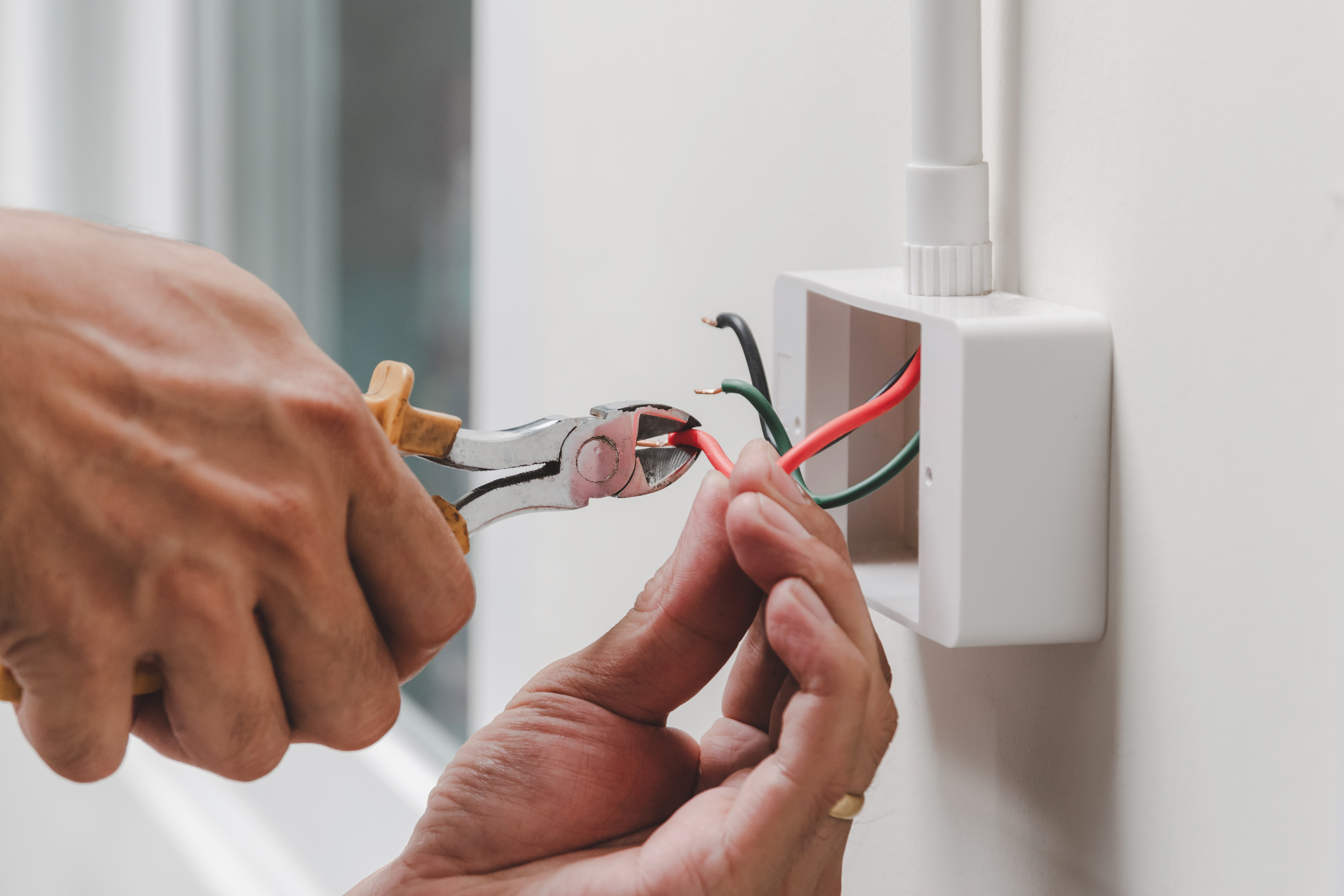
No, it’s extremely dangerous to cap off live electrical wires. Working with live wires puts you at serious risk of electric shock, which can cause injury or even be fatal. Whenever you need to cap off electrical wires or complete any electrical work in general, it’s essential to shut the power off at the breaker before you begin.

On average, the cost to run electricity to an above ground pool is about $1,000. Certain factors can increase or cut these costs. For example, a larger pool or one farther from your house may require additional trenching for wiring, bringing costs as high as $4,000. On the other hand, a standard-sized pool closer to your home may only cost $350 to hook up to electricity.

The Dayton, ME homeowners’ guide to electrical services

From average costs to expert advice, get all the answers you need to get your job done.