


Top-rated excavation pros.

Get matched with top excavation pros in Dayton, ME

Enter your zip and get matched with up to 5 pros

Need a pro for your excavation project in Dayton, ME?

Select your specific project to find the pro for you.

TRUSTED BY DAYTON, ME HOMEOWNERS

  • Average homeowner rating star icon4.8
    Average homeowner rating
  • Verified reviews icon46
    Verified excavation services reviews

Find Excavation pros in Dayton

Avatar for JM Excavating
JM Excavating
5.0(
3
)
Building Site - Preparation and ClearingBuilding Site - Preparation and Clearing - For BusinessExcavation - Major Grading or Resloping+2 more

Serving Dayton, ME and surrounding areas

Approved

In business since 2019

Free estimates

Credit card accepted

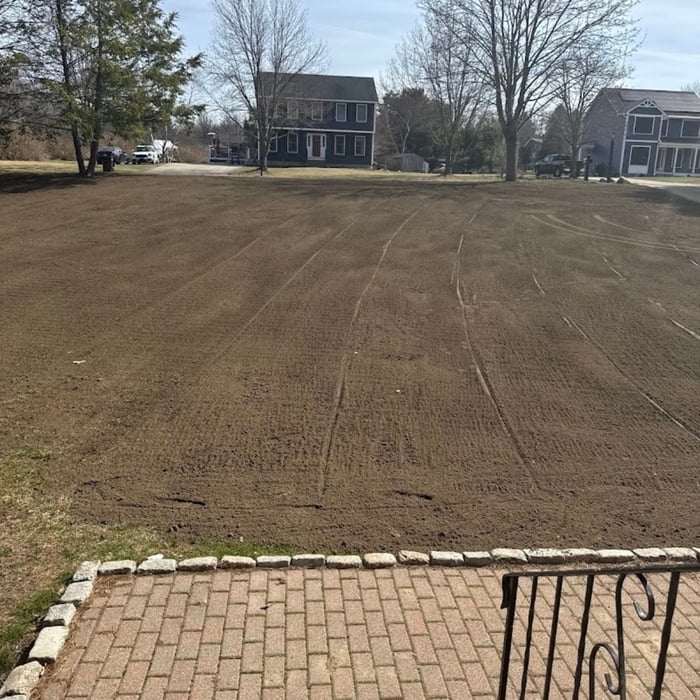
"Jake and his team were awesome to work with and they'd be the first I'd recommend for any excavation job big or small. He was able to make our vision for a backyard into a reality and worked tirelessly (weekends included) to make it happen. Jake was on time, honest and dependable, which is unheard of in the current market!"
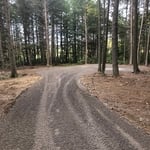
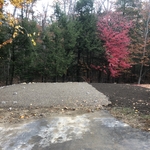
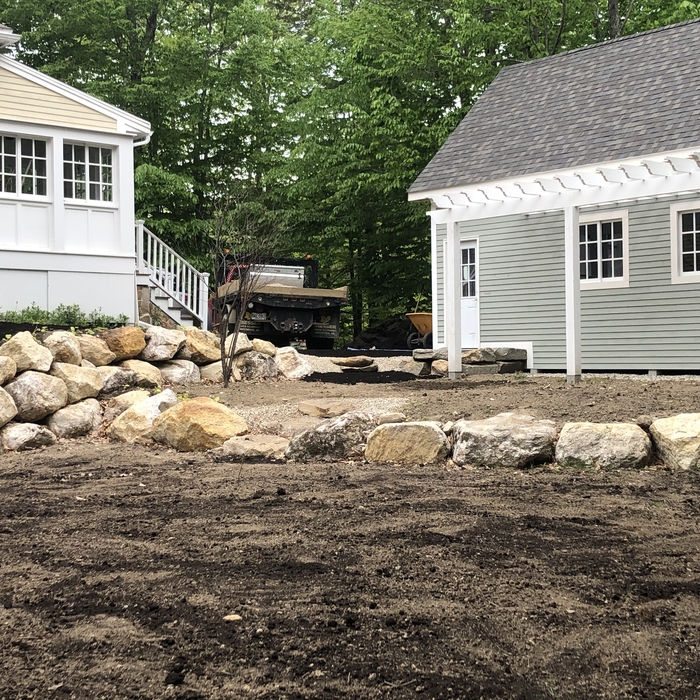
Camp Lot Cleared and Driveway Installed
Vacant Lot
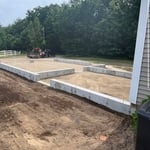
Shed Foundation Posts
Rock Walls
Rock Walls

+12

Response time1 day
Recommended by100%of homeowners

Avatar for David J Boutilier
David J Boutilier
5.0(
7
)
Building Site - Preparation and ClearingBuilding Site - Preparation and Clearing - For Business

Serving Dayton, ME and surrounding areas

Approved

In business since 2016

Free estimates

Offers commercial services

"David did a fantastic job here on our property. He listened carefully and then followed our unusual instructions. We wanted a light touch and to maintain the natural, Maine, pine look and feel of out property. The results are exactly what we were hoping for. Both he and his colleague worked extremely hard while they were here. They removed everything and left the place looking great. This was a 5-STAR job - 100%. I would hire David again in a heartbeat, and I can recommend him to others wholeheartedly and without hesitation. Thank you, David."
David J Boutilier
David J Boutilier
David J Boutilier
David J Boutilier
David J Boutilier

+13

39 neighbors recently requested a quote
Avatar for Tobey and Son Excavation LLC
Tobey and Son Excavation LLC
5.0(
3
)
Building Site - Preparation and ClearingExcavation - Major Grading or ReslopingLandscape - Minor Grading or Resloping

Serving Dayton, ME and surrounding areas

Approved

In business since 2023

Free estimates

Offers commercial services

"Ryan at Tobey & Son Excavation was excellent! He did some site prep work for us and was incredibly easy to work with; friendly, professional, and extremely knowledgeable in his field. He showed a high level of attention to detail which was clearly displayed in his finished work. We will be using Tobey & Son for all of our upcoming projects and highly recommend him to everyone else!"
Response time2 days
Recommended by100%of homeowners

...
Showing 1-10 of 116
Excavating questions, answered by experts

There are several methods to hollow out a tree stump, and the best one depends on your tools, experience, and priorities. Common methods include using a chisel and hammer, a chainsaw, or burning.

  • Chisel and Hammer: This is often considered the easiest approach for those with limited tools or experience, though it is the most time-consuming.

  • Chainsaw: Using a chainsaw is the fastest method, but it comes with significant safety risks, especially for inexperienced users.

  • Burning: This can be an effective method, but it is not recommended unless you can first drill holes into the stump. Without holes, the stump will be difficult to light and may not burn completely through.

A power drill with at least a ⅜-inch diameter bit can make the job quicker and easier, regardless of the primary method. While you can use a chisel or chainsaw without a drill, it will require more time and effort. Always wear protective goggles and thick gloves, as splinters are an inevitable risk.

Septic drain lines (or leach lines) are typically buried between 18 and 36 inches underground, and should be at least 6 inches below the surface. These pipes are perforated and surrounded by filtering materials like sand or gravel. Burying the lines at this depth helps minimize odors and allows bacteria and other biological processes in the soil to effectively treat the wastewater. Burying lines too close to the surface can cause issues unless the soil is very compact and stable.

The physical constraints of hand-drilling a well limit the depth you can achieve. Manually digging with picks and shovels may only lead to shallow wells of up to 60 feet in depth. To reach greater depths, you need more specialized equipment. The diameter of your well and the tools you’re using will determine how far down you can dig.

Call 811 to locate and mark the gas lines at least three days before digging. In many areas, you can dig within 18 inches of the lines, though in some locations, the distance may be further. Check local regulations, as you may need a utility company representative onsite when digging. Document your calls to 811 and precautions taken to avoid gas lines. A homeowner can be held liable for hitting a gas line in some cases, but contacting the proper authorities and following all guidelines can offer protection.

As a general rule, the protected area should be about 1½ times as wide as the canopy of the tree’s leaves. This digging measurement can vary by tree species and the age of the tree. Of course, that can be a lot of fencing for larger trees, which is why our first step is about making difficult decisions on which trees to save.

The Dayton, ME homeowners’ guide to excavation services

From average costs to expert advice, get all the answers you need to get your job done.