



Top-rated leaf removal pros.

Get matched with top leaf removal pros in Cape Neddick, ME

Enter your zip and get matched with up to 5 pros

Need a pro for your leaf removal project in Cape Neddick, ME?

Select your specific project to find the pro for you.

TRUSTED BY CAPE NEDDICK, ME HOMEOWNERS

  • Average homeowner rating star icon4.7
    Average homeowner rating
  • Verified reviews icon59
    Verified leaf removal services reviews

Find Leaf removal pros in Cape Neddick

Avatar for David J Boutilier
David J Boutilier
5.0(
7
)
Lawn & Yard Waste Clean UpWaste, Junk, Building Materials and Debris - Remove and Haul

Serving Cape Neddick, ME and surrounding areas

Approved

In business since 2016

Free estimates

Offers commercial services

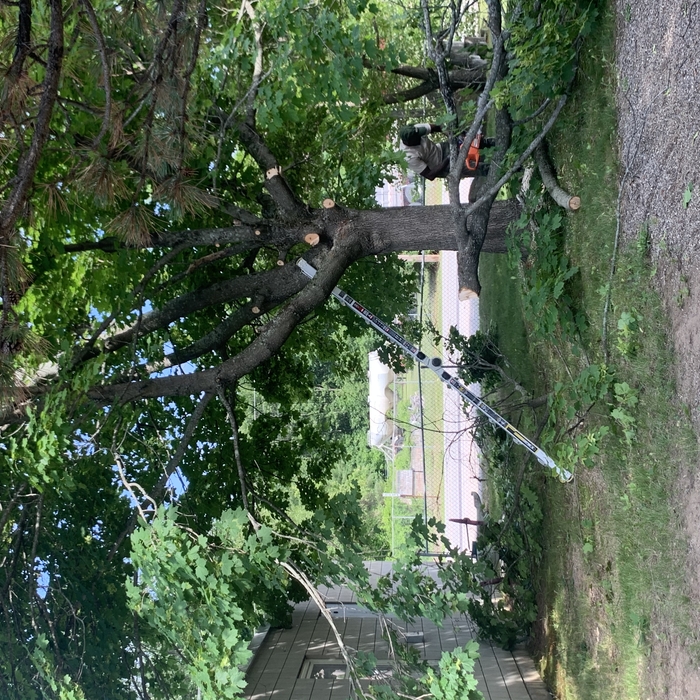
"David did a fantastic job here on our property. He listened carefully and then followed our unusual instructions. We wanted a light touch and to maintain the natural, Maine, pine look and feel of out property. The results are exactly what we were hoping for. Both he and his colleague worked extremely hard while they were here. They removed everything and left the place looking great. This was a 5-STAR job - 100%. I would hire David again in a heartbeat, and I can recommend him to others wholeheartedly and without hesitation. Thank you, David."
David J Boutilier
David J Boutilier
David J Boutilier
David J Boutilier
David J Boutilier

+13

38 neighbors recently requested a quote
...
Showing 1-10 of 117
Leaf Removal questions, answered by experts

It is safe to remove old linoleum, but it may require the help of a specialist due to the risk of asbestos in the material. Before you cut into linoleum or try to peel it up, have it tested for asbestos. If it tests positive, professionals will need to remove it to prevent the risk of health issues from airborne toxic particles. If it’s asbestos-free, DIY removal is possible and safe.

You do not have to remove lead paint if the surface is not chipping or peeling or if there are no pregnant people or children under the age of six who live in or regularly visit your home. Lead paint is a particular risk for young children whose brains and bodies are not fully developed. Experts strongly recommend that you call a pro to remove lead paint if it’s peeling or flaking, no matter who lives in the home. You can experience lead poisoning by breathing in or ingesting just a small amount of it.

If the lead paint is in a place that is not easily disturbed and is not flaking or deteriorating, you do not necessarily need to remove it. Lead is toxic when dust particles or flakes from peeling lead paint are ingested. If people are not in the area with the lead paint, it may be safe to leave it in place. You still may want to consider encapsulation with a paint formulated for covering lead-based paint, just for an added layer of protection.

You can paint over lead paint, or “encapsulate” it with a special paint that includes an ingredient called an encapsulant. The EPA approves encapsulation as a lead paint removal method as long as the paint remains undisturbed. Standard types of paint without an “encapsulant” from the big box stores or hardware stores do not meet EPA standards for remediation of lead-based paint.

Lead toxicity comes from inhaling lead or consuming it. Before the 1980s, when the government banned lead from consumer use, it could be found in paint, plumbing, pipes, ceramics, and even gasoline. Lead paint is toxic for the same reason lead itself is toxic, which is why lead poisoning from paint presents the same as lead poisoning from water or food sources, with a slight increase in respiratory symptoms vs. digestive symptoms. Lead paint is most dangerous when it’s old and peeling, cracking, or otherwise disturbed. This increases the concentration in the air and, therefore, in breathable air. 

The Cape Neddick, ME homeowners’ guide to leaf removal services

From average costs to expert advice, get all the answers you need to get your job done.