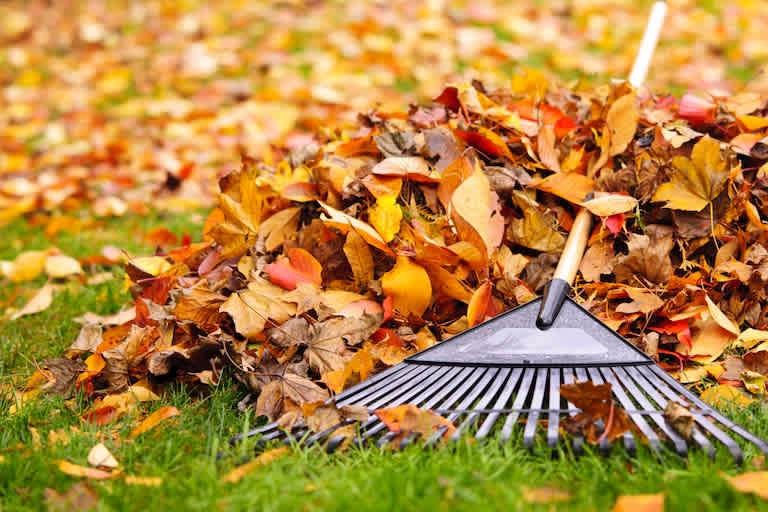


Top-rated leaf removal pros.

Get matched with top leaf removal pros in Kittery, ME

Enter your zip and get matched with up to 5 pros

Need a pro for your leaf removal project in Kittery, ME?

Select your specific project to find the pro for you.

TRUSTED BY KITTERY, ME HOMEOWNERS

  • Average homeowner rating star icon4.5
    Average homeowner rating
  • Verified reviews icon71
    Verified leaf removal services reviews

Find Leaf removal pros in Kittery

Avatar for David J Boutilier
David J Boutilier
5.0(
6
)

Serving Kittery, ME and surrounding areas

Approved

In business since 2016

Free estimates

Offers commercial services

"⭐⭐⭐⭐⭐ We've hired Pete Boutillier's Junk Removal Company for multiple projects, and every experience has been excellent. Pete is professional, dependable, and reasonably priced. He shows up when he says he will, works hard, and always gets the job done efficiently. What really sets Pete apart is his ability to tackle challenging jobs. No job seems too big or complicated, and he's an excellent problem solver who doesn't need constant direction. He's a true self-starter who takes initiative and finds solutions when unexpected issues arise. If you're looking for someone who is reliable, hardworking, affordable, and easy to work with, we highly recommend Pete and his team. We wouldn't hesitate to hire him again for future projects!"
David J Boutilier
David J Boutilier
David J Boutilier
David J Boutilier
David J Boutilier

+13

29 neighbors recently requested a quote
...
Showing 1-10 of 119
Leaf Removal questions, answered by experts

According to the Environmental Protection Agency (EPA), hazardous waste is generally classified into four main categories:

1. Characteristic Wastes: These exhibit at least one of four hazardous traits: ignitability (flammable, like gasoline), corrosivity (can rust or decompose materials, like car batteries), reactivity (unstable and can explode, like aerosol cans), or toxicity (harmful when ingested, like lead-based paint).

2. Listed Wastes: These are specific wastes from manufacturing and industrial processes that the EPA has officially designated as hazardous. They include byproducts from processes that use solvents, pesticides, and other chemicals.

3. Universal Wastes: These are commonly generated hazardous items that are subject to streamlined regulations. Examples include batteries, pesticides, mercury-containing equipment (e.g., bulbs), and some lamps.

4. Mixed Wastes: This category includes waste that contains both hazardous and radioactive components, making it subject to regulation by both the EPA and the Nuclear Regulatory Commission.

Lead removal can take a few days to several weeks, depending on the work needed, particularly if the lead is widespread and in hard-to-reach areas.

The EPA enforces hazardous waste laws and ensures people dispose of their hazardous waste responsibly. Depending on where you live, your state’s hazardous waste regulatory agency may also enforce these laws. Individually, it’s up to each household to properly dispose of their hazardous waste.

Hazardous waste is waste that poses a threat to human or environmental health. This generally refers to waste that is flammable, corrosive, toxic, or reactive. To confirm if the waste you need to remove is considered hazardous waste, contact your local hazardous waste facility.

Professional lead removal involves identifying and safely removing or encapsulating lead-based paints and materials, using specialized equipment, and following strict safety procedures to minimize exposure and contamination.

The Kittery, ME homeowners’ guide to leaf removal services

From average costs to expert advice, get all the answers you need to get your job done.