




Top-rated radon detection and reduction specialists.

Best radon detection and reduction specialists near Bethel, ME

Enter your zip and get matched with up to 5 pros

Need a pro for your radon detection and reduction project in Bethel, ME?

Select your specific project to find the pro for you.

Top-Rated Radon detection and reduction specialists in Bethel - Updated Nov 2026

Aqua-Max of Maine
4.4(
105
)
Radon Gas - Abatement

Serving Bethel, ME and surrounding areas

In business since 1994

Free estimates

Warranties offered

"This year, my shop was in the basement (I make turned wooden bowls) radon level inexplicably increased from the 2.5 - 4.0 level to 8.0 - 11.0 level. I decided I was not going to work down there unless I did something about radon abatement. The guys said I needed one port under my basement floor, but I opted for two --- one near the exit port of the system and one in the center of the house. I had crushed stone and a vapor barrier under the floor, but radon was still getting in. After the installation lasting 3 hours, twenty-seven hours after install, the level was 0.83. Now after 1 week the level is 0.48 I am ok with that. I have not seen the results from the lab yet, but my continuous meter has been a good indication of what is happening. I am concerned now about radon in my drinking water, but cannot comment on that yet. Dick P Alna, ME"
Response time1 day
Recommended by96%of homeowners
Avatar for Rhino Radon Services
Rhino Radon Services
4.2(
9
)
Radon Gas - AbatementRadon Gas - Testing

Serving Bethel, ME and surrounding areas

In business since 2014

Free estimates

Emergency services offered

"He was on time, arrived at 9am as quoted and began to install the system. The system required two suction points and a sump pit cover. The sump pit originally had a pedestal pump in place and none of the other radon companies would change the pedestal pump to a submersible pump as required for the mitigation system to function properly. Rhino Radon not only changed the pump but installed a back flow check valve to ensure proper functioning of the system. All of the other companies said we would have to employ a plumber or a handy man to get this done. Had we gone that route the closing would not have happened. Rhino Radon gladly did all the work required and didn't even break for lunch!!! He was more concerned with getting us out of the vacant house seeing we are already down the cape. The system that involved a crawl space and being vented through the garage roof was completed immaculately and the test results came back at 0.5 pCil/L. This pleased the lender and buyer and exceeded our expectations. We highly recommend Rhino Radon Services.
"
Recommended by100%of homeowners
Radon Detection and Reduction FAQs, answered by experts

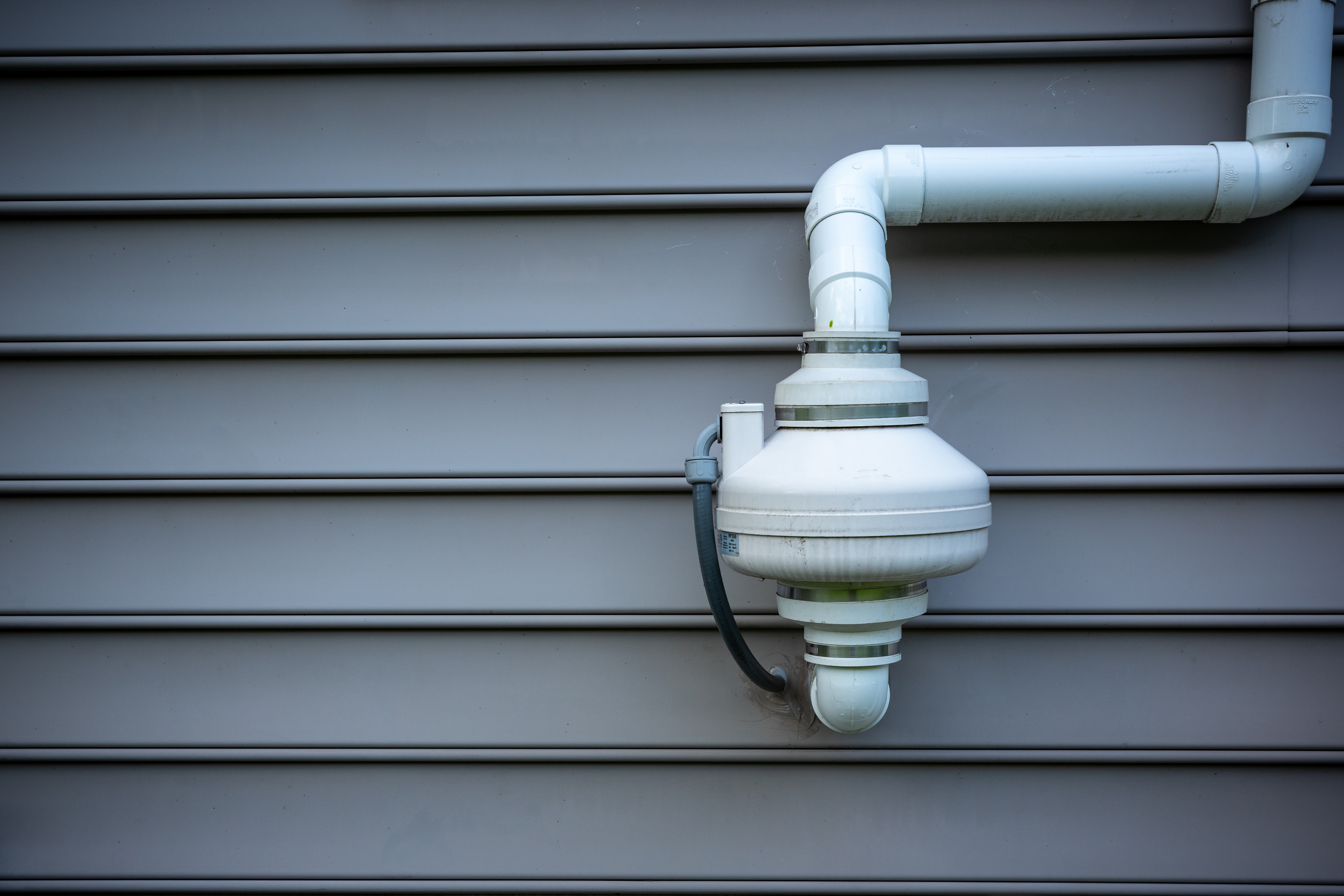
The average radon mitigation system uses about 876 kWh of electricity per year, although the exact amount of electricity used will vary depending on the size of the radon fan. Once the system is installed, the annual increase to your energy bill could range from $30 to $300 per year, again depending on the size of the fan.

Long-term exposure increases lung cancer risks. Prolonged homestay individuals and smokers encounter heightened vulnerability and exposure concerns.

The lifespan of a radon mitigation system depends on the type of system and its maintenance. With proper care, a system can last for many decades. Passive systems tend to last longer as they have fewer components that require replacement. Active systems, which have more moving parts like fans, generally have a shorter lifespan. For instance, water filtration devices and active pressurization systems require more frequent maintenance. While the system as a whole is durable, the radon fan in an active system typically has a lifespan of 5 to 10 years and will need to be replaced. As long as the fan is working, the mitigation system should function correctly.

Installing a mitigation system reduces radon levels, which can cause lung cancer, providing peace of mind and long-term health benefits. It can also increase your home’s value, as many buyers prefer properties with radon safety measures in place. The investment is relatively low compared to the potential health risks associated with prolonged radon exposure.

No, air purifiers are not an effective way to reduce or remove radon. Radon is a radioactive, inert gas that cannot be filtered by standard air purifiers, which are designed to capture particulates like dust and mold. While an air purifier can improve indoor air quality by removing other pollutants, it should not be relied upon for radon. The only effective solution for high radon levels is a dedicated radon mitigation system.

The Bethel, ME homeowners’ guide to radon detection and reduction services

From average costs to expert advice, get all the answers you need to get your job done.