


Top-rated water heater pros.

Get matched with top water heater pros in Bath, ME

Enter your zip and get matched with up to 5 pros

Need a pro for your water heater service project in Bath, ME?

Select your specific project to find the pro for you.

TRUSTED BY BATH, ME HOMEOWNERS

  • Average homeowner rating star icon4.8
    Average homeowner rating
  • Verified reviews icon17
    Verified water heater services reviews

Find Water heater pros in Bath

Wanda's Water Heaters
4.9(
11
)

Serving Bath, ME and surrounding areas

Approved

Super Service Award Winner

In business since 2020

Free estimates

Credit card accepted

"I purchased a heat pump electric water heater to take advantage of a generous rebate from Efficiency Maine. When looking for someone to install it I was referred to Jophil by a real estate company that I know. I called and was given a time that Kyle would arrive to give an estimate and perform the installation (if the estimate was accepted). I did accept the estimate and Kyle got right to work. He did a nice job and made sure that everything was in good working order before he left. I was very pleased with my first experience with this company and would not hesitate to call on them again in the future."
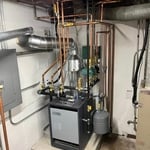
Installation of boiler
Response time5 days
6 neighbors recently requested a quote
Recommended by9%of homeowners
Avatar for swb plumbing/hvac
swb plumbing/hvac
5.0(
14
)

Serving Bath, ME and surrounding areas

Approved

In business since 2023

Free estimates

Emergency services offered

"I needed my water heater changed out so I reached out to swb and Seth was able to give me a same day quote and give me a time frame on when it could be completed. Got done in a timely manner and very professional work. Definitely will keep using this company for future plumbing/hvac needs."
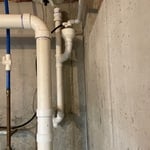
New condensate line property piped into existing house sewer to code
1 1/2” water mains
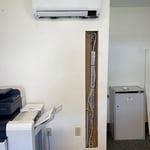
3 zone heat pump install
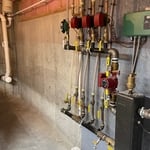
Install condensate pump and neutralizer to bring existing boiler upto code.
1 1/2” water mains insulated after we installed them.

+10

6 neighbors recently requested a quote
Recommended by100%of homeowners
Avatar for Toye Plumbing
Toye Plumbing
5.0(
6
)

Serving Bath, ME and surrounding areas

In business since 2021

Emergency services offered

Small jobs welcome

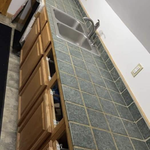
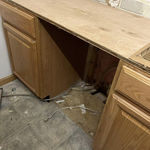
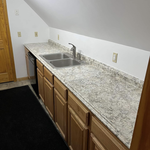
"This is not for a water heater, but it was the only option I could choose. Recently I had an issue with my kitchen sink not draining. I tried to snake it myself and found out my pipes were brittle and put the snake right through them. Reached out to Toye and he was here the next day. Replaced the piping under my sink, then took the time to find and clear what turned out to be a massive clog that the snake I was trying to use never would have cleared. HUGE thanks to Ramon!"
Recommended by83%of homeowners
Showing 1-10 of 20
Water Heaters questions, answered by experts
The average lifespan of a water heater is eight to 12 years. If your water heater is approaching its first decade of life and is giving you problems, talk to a plumber about your replacement options.

Keep in mind that certain parts of a water heater, such as the anode rod, may need replacement long before the heater itself. An anode rod often has a lifespan of three to five years.

Heat pump water heaters, also known as hybrid water heaters, are the most efficient types of water heaters—both in terms of carbon emission and energy efficiency. This type of water heater utilizes as little as half of the energy of a traditional water heater while releasing no direct emissions. Tankless water heaters are also extremely efficient, although slightly less so than hybrid heaters.

Yes, most municipalities have codes that require water heaters to have pans. A pan is necessary when a water heater or hot water storage tank is installed in an area where water leakage could cause damage, such as an attic, second floor, or finished basement. Tankless water heaters are not required to have a pan since there is no storage tank.

Every type of water heater has its advantages and disadvantages. Understanding those can help you decide the best type for your situation and budget. 

Pros

  • Safer than gas or propane

  • Doesn’t require extensive venting systems

  • Lower upfront costs

  • Simpler to operate

  • No pilot light

  • Easier installation

  • More efficient heating than gas models

  • Available as point-of-use (POU) and whole-house units

Cons

  • Slower to heat water

  • Longer recovery time

  • Possibly higher operating costs

  • Doesn’t work during a power outage

  • Costs can increase without a 240-volt connection

Most standard residential water heaters, which are typically around 40 gallons and use 240 volts and between 3,500 and 5,500 watts, require a 30-amp, two-pole circuit breaker. For smaller, point-of-use water heaters using 120 volts and between 1,500 and 3,000 watts, a 30-amp breaker is also often adequate. However, some models may have different needs; units that use more watts than average may require a 40-amp breaker, while smaller units might only need a 20-amp breaker. Newer, tankless, or more energy-efficient models can also require a higher amperage. Having the correct breaker size is crucial for safe and efficient operation, so it's best to consult a licensed electrician to determine the specific needs of your water heater.

The Bath, ME homeowners’ guide to water heater services

From average costs to expert advice, get all the answers you need to get your job done.