
Top-rated lead testing and removal specialists.

Best lead testing and removal specialists near Poolesville, MD

Enter your zip and get matched with up to 5 pros

Need a pro for your lead testing and removal project in Poolesville, MD?

Select your specific project to find the pro for you.

Top-Rated Lead testing and removal specialists in Poolesville - Updated Nov 2026

Avatar for Reliable Lead Inspection Services
Reliable Lead Inspection Services
4.9(
43
)
Toxic Lead - Testing

Serving Poolesville, MD and surrounding areas

Approved

In business since 2012

Free estimates

Emergency services offered

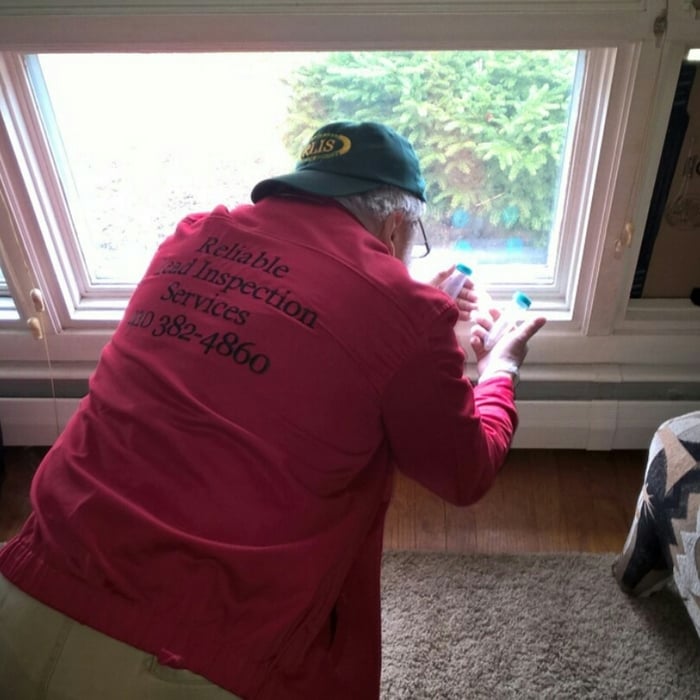
"Norman is an upstanding business owner with integrity. He's also friendly, knowledgeable, and a clear communicator. He sent all of his credential ahead of time, arrived 5 minutes early, and explained his process and everything he was doing. When there was a minor misunderstanding, he offered a compromise on price just to make sure we were fully satisfied. A real gentleman. I would 100% recommend Norman to anyone in need to lead testing services!"
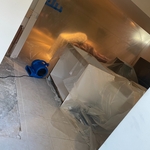
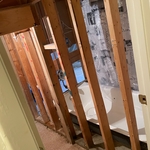
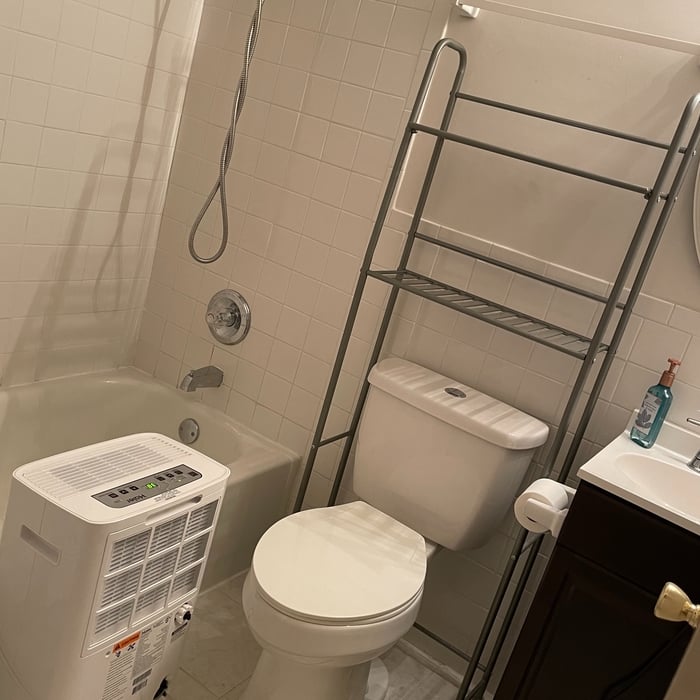
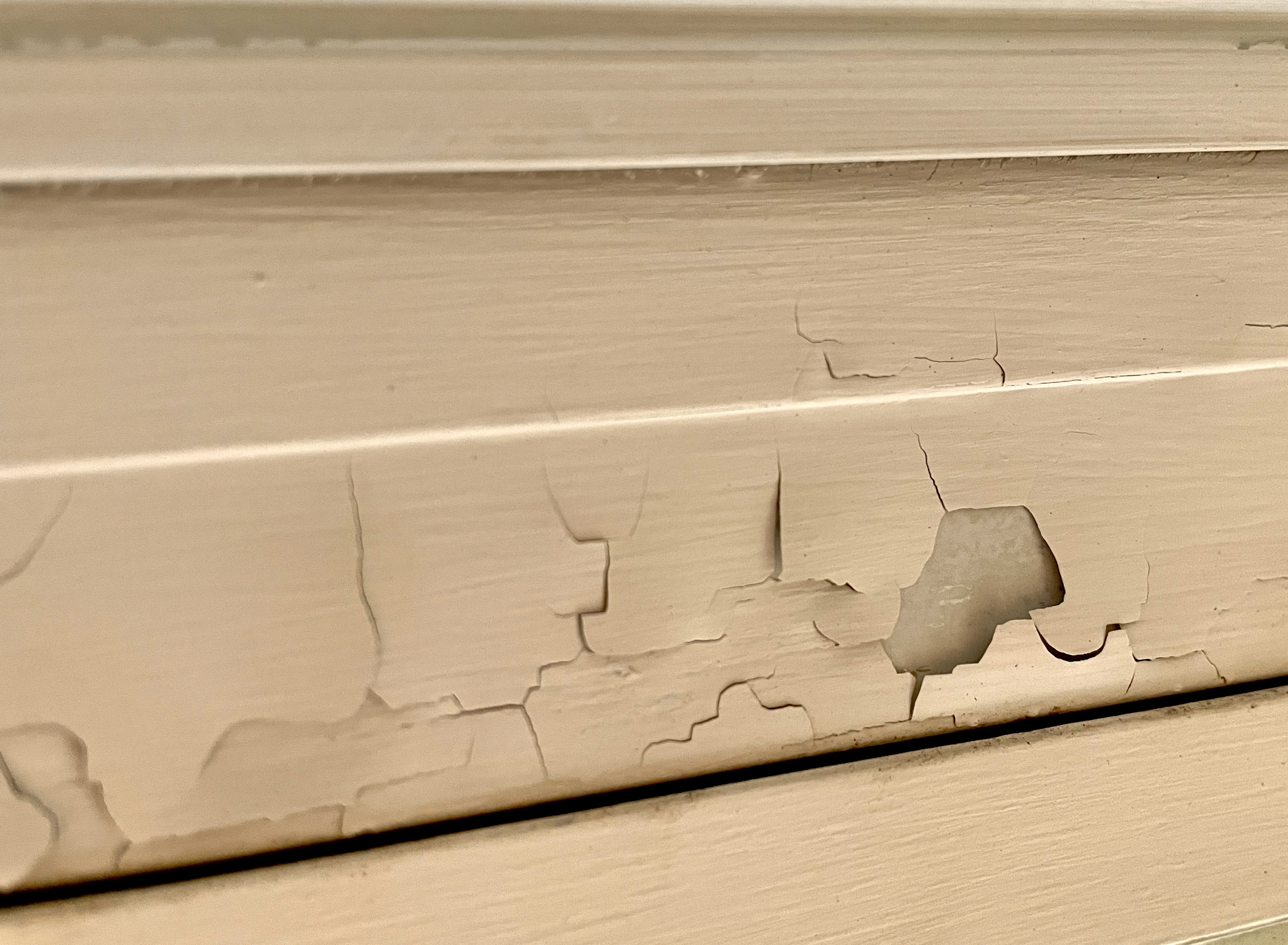
Additional Photos
Additional Photos
Additional Photos
Additional Photos
Additional Photos

+8

Response time8 hrs
7 neighbors recently requested a quote
Recommended by90%of homeowners
Showing 1-10 of 26
Lead Testing and Removal FAQs, answered by experts

No, you can’t place hazardous waste in a dumpster unless you specifically ordered a dumpster for hazardous waste removal. If the dumpster company finds hazardous waste that it didn’t approve for dumping, the company will return the waste to you, and you’ll likely face a fine for illegal dumping.

When a surface that contains lead dust is disturbed, the dust can float about in the air for roughly an hour before settling again. Since you cannot see the dust, it is important always to wear protective gear when working with any materials that may contain lead paint and to keep children, pets, and others away from the area for as long as possible

Lead testing prior to purchasing a property ensures that the new owners are informed about potential hazards, prevents health risks associated with lead poisoning, and facilitates timely remediation.

Avoid disturbing suspected lead-containing materials and follow professional guidance on sample collection.

According to the Environmental Protection Agency (EPA), hazardous waste is generally classified into four main categories:

1. Characteristic Wastes: These exhibit at least one of four hazardous traits: ignitability (flammable, like gasoline), corrosivity (can rust or decompose materials, like car batteries), reactivity (unstable and can explode, like aerosol cans), or toxicity (harmful when ingested, like lead-based paint).

2. Listed Wastes: These are specific wastes from manufacturing and industrial processes that the EPA has officially designated as hazardous. They include byproducts from processes that use solvents, pesticides, and other chemicals.

3. Universal Wastes: These are commonly generated hazardous items that are subject to streamlined regulations. Examples include batteries, pesticides, mercury-containing equipment (e.g., bulbs), and some lamps.

4. Mixed Wastes: This category includes waste that contains both hazardous and radioactive components, making it subject to regulation by both the EPA and the Nuclear Regulatory Commission.

The Poolesville, MD homeowners’ guide to lead testing and removal services

From average costs to expert advice, get all the answers you need to get your job done.