Vet-Run & Son Home Services
Handyman for Multiple Small Projects
Serving Indian Head, MD and surrounding areas
Approved
In business since 2020
Free estimates
Emergency services offered
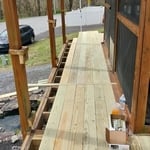
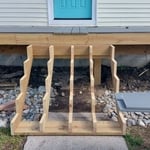
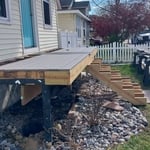
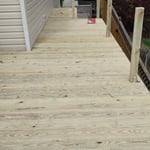
"Excellent job overall. John was faced with challenges with the fence post removal in that they were imbedded in rather large amounts of concrete that required extra efforts (steel pry bars and winch) to remove from the ground. John disposed of the fence posts and concrete remains as well. John also removed, replaced and disposed of twelve 2x10x48" pressure treated steps. Many of the steps required special handling and additional bracing installed due to the age and condition of the existing stair stringers. After the initial installation, John was asked to re-look at a couple of the stair treads, and he returned very promptly to return and make adjustments without complaint. John also removed the remnants of two 2x8' very old (and brittle) overhead semi-transparent panels over the rear deck. He replaced with new customer-provided polycarbonate panels of the same dimensions and hauled away the old remains. He also removed and disposed of several unwanted saplings that were growing at random and completed a major trim on an overgrown euonymus bush/tree to prevent damage to house siding and allow adequate airflow to an outside air-conditioning unit."
+107
Response time2 days
Response rate100%
1 neighbors recently requested a quote