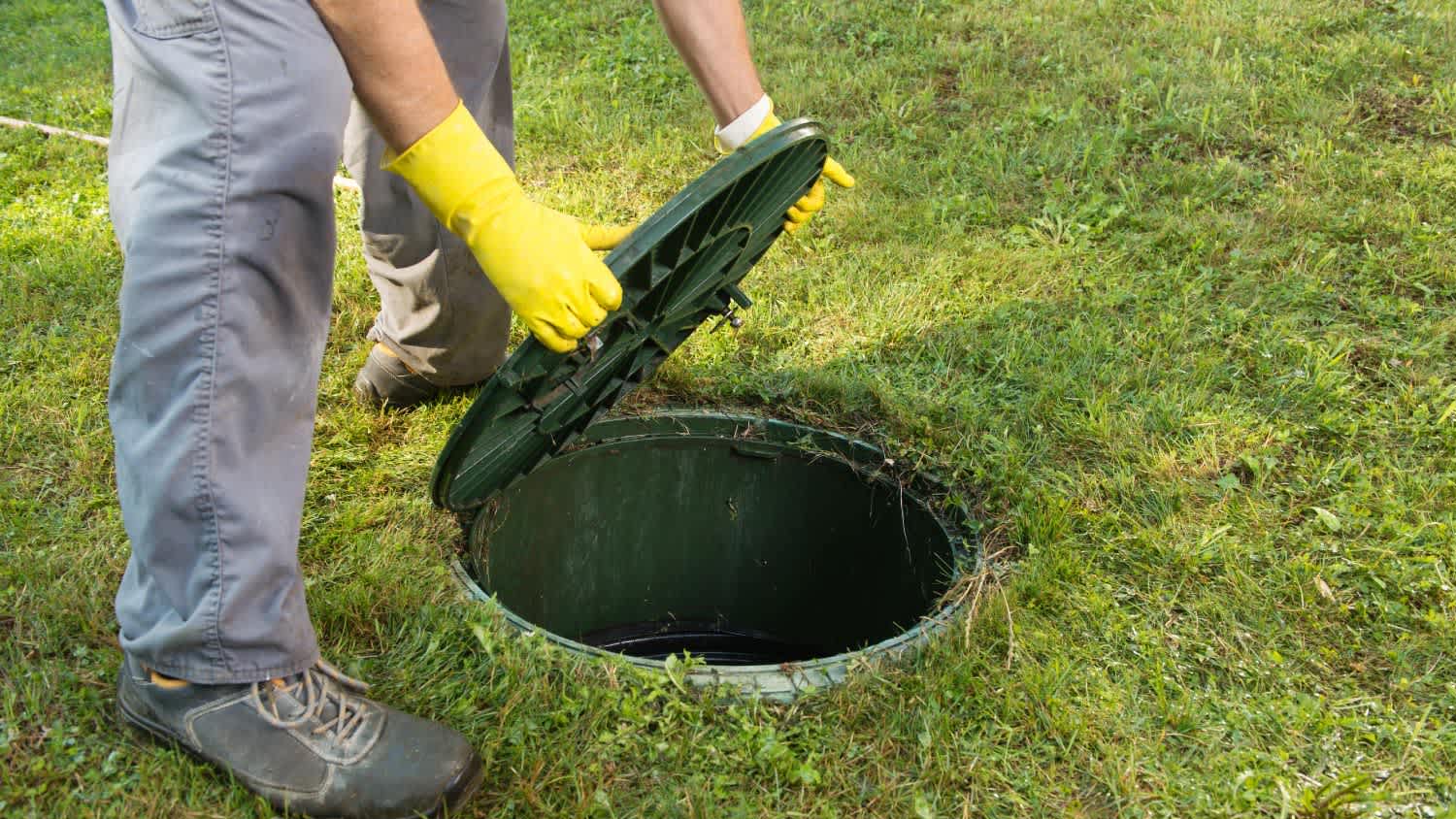









Top-rated percolation testing pros.

Get matched with top percolation testing pros in Glen Arm, MD

Enter your zip and get matched with up to 5 pros

Need a pro for your percolation testing project in Glen Arm, MD?

Select your specific project to find the pro for you.

TRUSTED BY GLEN ARM, MD HOMEOWNERS

  • Average homeowner rating star icon4.6
    Average homeowner rating
  • Verified reviews icon2.1k+
    Verified percolation testing services reviews

Find Percolation testing pros in Glen Arm

No results for Percolation testing pro in

Try adjusting your search criteria.
Percolation Tests questions, answered by experts

If you know your popcorn ceiling has asbestos, you should not attempt to clean it. It simply is not possible to learn how to clean asbestos safely without potentially releasing microscopic fibers into the air that could lead to severe illness in the future. Avoid disturbing or cleaning the ceiling until the asbestos removal company can get rid of the popcorn ceiling.

If your home was built before 1989 and still has original vinyl, there’s a high probability of asbestos mixed into the old flooring, which can harm you and your family if it’s disturbed from removal. If you suspect that you have asbestos, you’ll want to call in an asbestos removal expert to evaluate the situation.

Asbestos can be found in many building materials, especially if the materials were installed more than 20 years ago. Asbestos-containing materials (ACM) can include:

  • Acoustic ceiling tiles

  • Furnace insulation

  • Home appliances

  • Fire-retardant clothing

  • Cement pipe

  • Pipe insulation

  • Wall and ceiling insulation

  • Vehicle brake pads

  • Vinyl flooring

  • Sprayed acoustic ceilings

  • Stove insulation

  • Patching compounds

  • Textured paints

  • Roofing shingles

  • Siding

Although the use of asbestos has declined since the 1980s, it remains in several different types of building construction materials for insulation and as a fire retardant. Typically, asbestos can be found in materials such as ceiling and floor tiles, heat-resistant fabrics and coatings, and roof shingles. You may also find asbestos in textured paint and patching compounds.

Yes, even a single, one-time exposure to asbestos can be harmful and increase the risk of future illness, including certain diseases and cancers. The level of risk depends on several factors, such as the concentration and intensity of the exposure. A small, brief exposure is less likely to cause significant damage than an exposure to a high concentration of asbestos fibers.

The likelihood of developing severe health issues increases with repeated or prolonged exposure. Individual reactions to asbestos vary; some people may have multiple exposures without harm, while others are more susceptible. Asbestos-related illnesses may not manifest for 10 to 40 years after inhalation.

Due to these risks, it is crucial to take precautions. Personal protective equipment (PPE) may not offer complete protection, as fibers can get through small gaps. The EPA recommends hiring a professional for testing and removal if you suspect the presence of asbestos in your home. If you are concerned about a potential exposure, consult your doctor.

The Glen Arm, MD homeowners’ guide to percolation testing services

From average costs to expert advice, get all the answers you need to get your job done.