


Top-rated plaster repair specialists.

Best plaster repair specialists near Preston, MD

Enter your zip and get matched with up to 5 pros

Need a pro for your plaster repair project in Preston, MD?

Select your specific project to find the pro for you.

TRUSTED BY PRESTON, MD HOMEOWNERS

  • Average homeowner rating star icon4.4
    Average homeowner rating
  • Verified reviews icon14
    Verified plaster repairs reviews

Top-Rated Plaster repair specialists in Preston - Updated Nov 2026

Avatar for Delmarva Facility Maintenance Services LLC
Delmarva Facility Maintenance Services LLC
5.0(
5
)
Plaster - InstallPlaster - Install - For BusinessPlaster - Repair+1 more

Serving Preston, MD and surrounding areas

In business since 2018

Free estimates

Emergency services offered

"Tori was excellent when I scheduled plus I called several times with questions and Michael was prompt, professional, kind and like a Doctor did a thorough assessment. I spoke with Rodney too and he was very kind. 5 Star Assistance Highly recommend this company. Sincerely, Sheri L Long Retired RN"
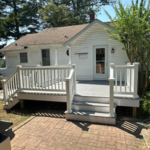
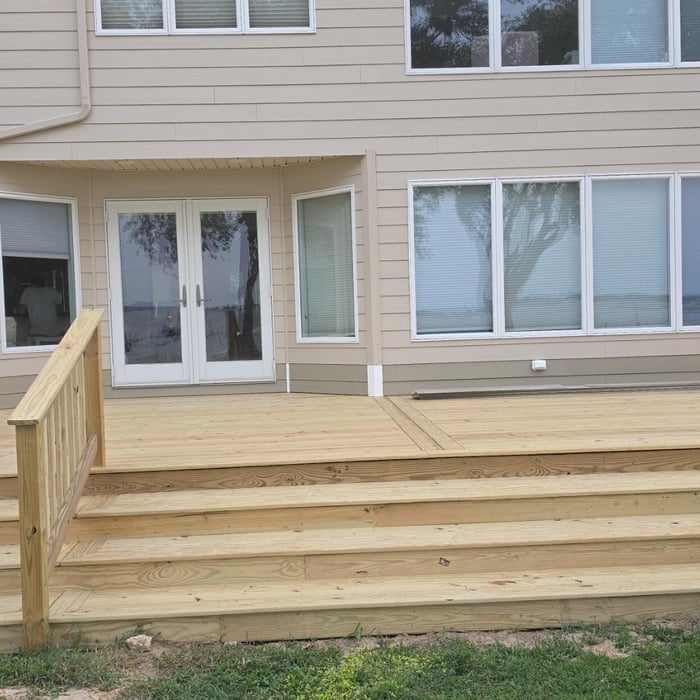
Additional Photos
Additional Photos
Additional Photos
Additional Photos
Additional Photos

+11

Recommended by100%of homeowners
Quality Insulation
5.0(
2
)
Plaster - Install - For BusinessPlaster - Repair - For Business

Serving Preston, MD and surrounding areas

In business since 2006

Free estimates

Credit card accepted

"Chris Jordan and his team did an excellent job with my attic insulation. Chris was very professional and quite nice. He explained everything in detail during the consultation. I received four quotes and Chrisâ was quite comparable. I had a roof issue going on and wanted to complete the removal/replacement of the insulation in phases. Chris worked with me to complete the insulation as needed. His crew arrived on time. They covered work areas prior to working and ensured that everything was clean afterwards. They even did some extras without nickeling and diming me. The pricing was quite reasonable for all the effort they put in. I would definitely recommend Quality Insulation for the exceptional service provided."
Recommended by100%of homeowners
Plaster & Drywall
New to Angi
Plaster - Install - For BusinessPlaster - Repair - For Business

Serving Preston, MD and surrounding areas

In business since 2001

Credit card accepted

Offers commercial services

We take great pride in our experience, expertise, quality and customer service that we provide to meet every consumer's needs. \nIt is our mission to provide excellent customer service from start to completion of a project. \nTo understand the needs and expectations of our customers, we take great care to work and communicate with every customer in a personal and professional manner. \nOur reputation is based on service, safety and quality, regardless of how large or small the job. \n

Showing 1-10 of 46
Plaster Repair FAQs, answered by experts

Although they are used for similar tasks, spackle and joint compound are not the same. Joint compound, also known as drywall mud, consists of limestone and gypsum and is primarily used for large-scale projects like taping and finishing seams on new drywall. Spackle is composed of gypsum and binding agents, making it a thicker compound best suited for small wall repairs like filling nail holes or cracks, as it dries quickly and is easy to sand. For small repairs, either product can be suitable. However, you can use joint compound for small jobs in place of spackle, but you cannot use spackle for large-scale taping and mudding projects.

Plaster is a pretty tough surface, but it can still sustain damage from things like bumping against it, water issues, dampness, extreme humidity changes, and plain old age. Most plaster walls last hundreds of years and will only be taken down to the base layer when major repairs are required. Being cautious around the wall, not placing furniture against it, and ensuring stable humidity are all great ways to reduce possible damage.

Although they have similar applications, spackle and joint compound are not the same. Their primary differences lie in their composition, consistency, and ideal use cases.

Spackle is composed of gypsum and binding agents, making it thicker than joint compound. It dries quickly and is easy to sand, which makes it ideal for small wall repair projects like filling nail holes or patching minor damage.

Joint compound, also known as drywall mud, consists of limestone and gypsum. It is primarily used for large-scale projects, such as taping and finishing the seams on newly installed drywall. It tends to shrink more than spackle and can be more difficult to spread.

While both products can be used to fill small depressions and cracks, spackle cannot replace joint compound for taping and mudding new drywall. Conversely, you can often use joint compound for small patching jobs typically done with spackle.

Yes, you can apply new plaster over an existing plaster surface, such as a wall or ceiling, provided the old plaster is in good condition. Before you begin, check the stability of the existing plaster. The surface must be clean, free of loose material, and have no peeling paint. It is also recommended to roughen the surface slightly to promote adhesion. For older plaster, applying a base coat like a PVA emulsion or a specific bonding agent or primer is crucial. This step makes the existing plaster less porous and ensures the new and old layers adhere properly for a smooth, long-lasting finish.

Your walls are likely cracking due to fluctuations in the temperature outside. Drywall tends to expand and contract when temperatures and humidity levels change, and this repeated movement can lead to cracks in your walls, particularly around door frames. If you have multiple diagonal cracks, you may want to have your foundation inspected, as cracks can also be a sign of a bigger issue.

The Preston, MD homeowners’ guide to plaster repairs

From average costs to expert advice, get all the answers you need to get your job done.