
Get matched with top fire sprinkler pros in Townsend, MA
There are 11 highly-rated local fire sprinkler pros.
Need a pro for your fire sprinkler service project in Townsend, MA?
Select your specific project to find the pro for you.
TRUSTED BY TOWNSEND, MA HOMEOWNERS
 4.6 Average homeowner rating
 475 Verified fire sprinkler services reviews
Verified Reviews for Fire Sprinkler Service pros in Townsend, MA
*The Angi rating for Fire Sprinkler Service companies in Townsend, MA is a rating based on verified reviews from our community of homeowners who have used these pros to meet their Fire Sprinkler Service needs.
*The HomeAdvisor rating for Fire Sprinkler Service companies in Townsend, MA is a rating based on verified reviews from our community of homeowners who have used these pros to meet their Fire Sprinkler Service needs.
Last update on December 06, 2025






Find Fire sprinkler pros in Townsend

Sentri Homes
Sentri Homes
343 local quotes requested
2 years of experience
Sentri Homes is a full-service contractor delivering high-end home additions, whole-home remodels, new custom builds, luxury kitchens, structural framing, roof replacements, and every major renovation. We assign a dedicated project manager to every job, deliver meticulous craftsmanship with clear communication, and back our work with an industry-leading warranty to ensure complete peace of mind on your largest investments. Our in-house team of licensed builders and master craftsmen consistently earns 5-star reviews by turning big visions into stunning, high-value homes—when you need one trusted partner who truly does it all, we’re the proven choice.
Sentri Homes is a full-service contractor delivering high-end home additions, whole-home remodels, new custom builds, luxury kitchens, structural framing, roof replacements, and every major renovation. We assign a dedicated project manager to every job, deliver meticulous craftsmanship with clear communication, and back our work with an industry-leading warranty to ensure complete peace of mind on your largest investments. Our in-house team of licensed builders and master craftsmen consistently earns 5-star reviews by turning big visions into stunning, high-value homes—when you need one trusted partner who truly does it all, we’re the proven choice.

Tejada's Remodeling Inc
Tejada's Remodeling Inc
Super Service Award
Customers say: Quick response
Recommended by 100% of Angi customers
Recommended by 100% of HomeAdvisor customers
1089 local quotes requested
Good work guarantee. I love making our customer's happy
"I was very impressed working with this company. Communication was superb right off the bat. We went over the job in detail, and it was completed perfectly. The company is very professional and pays attention to every detail. The price was good too! They also cleaned the area thoroughly and my property looks exquisite. Hire this company with confidence. Thank you!"
John C on October 2025
Good work guarantee. I love making our customer's happy
"I was very impressed working with this company. Communication was superb right off the bat. We went over the job in detail, and it was completed perfectly. The company is very professional and pays attention to every detail. The price was good too! They also cleaned the area thoroughly and my property looks exquisite. Hire this company with confidence. Thank you!"
John C on October 2025
Ayotte Home Improvements
Ayotte Home Improvements
Super Service Award
Customers say: True professional
Recommended by 98% of Angi customers
Recommended by 98% of HomeAdvisor customers
94 local quotes requested
Ayotte Home Improvements is a fully licensed and insured remodeling/construction company. We offer free estimates and years of experience.Take a look at our website for some of our past projects.
"Bob was great- this was our first renovation as new homeowners and he helped us through the process, answering all of our questions and listening to what we wanted. We absolutely love the end result!"
John A on January 2025
Ayotte Home Improvements is a fully licensed and insured remodeling/construction company. We offer free estimates and years of experience.Take a look at our website for some of our past projects.
"Bob was great- this was our first renovation as new homeowners and he helped us through the process, answering all of our questions and listening to what we wanted. We absolutely love the end result!"
John A on January 2025

M Builders, LLC
M Builders, LLC
4 years of experience
Free onsite estimate
Our goal is to complete your project to perfection. We look forward to building long lasting relationships with the customers that we serve. We look forward to serving you. Call us today! You will not be disappointed. With 25+ years of experience in construction, Luis Matute and Rony Mendez, longtime friends, decided to put together their skills and found M Builders LLC. Luis holds a General Contractor license, Home improvement license, alongside with other licenses. He has an electrical company and has been supervising construction sites for years now. Rony Mendez, also has an Electrical License with multiple other licenses and has a Security Systems company. He has been supervising construction sites alongside with Luis for years. They have been working together for so long that they do not only consider each other business partners but also family. M Builders is coming to simplify construction for their clients in the State of Massachusetts.
Our goal is to complete your project to perfection. We look forward to building long lasting relationships with the customers that we serve. We look forward to serving you. Call us today! You will not be disappointed. With 25+ years of experience in construction, Luis Matute and Rony Mendez, longtime friends, decided to put together their skills and found M Builders LLC. Luis holds a General Contractor license, Home improvement license, alongside with other licenses. He has an electrical company and has been supervising construction sites for years now. Rony Mendez, also has an Electrical License with multiple other licenses and has a Security Systems company. He has been supervising construction sites alongside with Luis for years. They have been working together for so long that they do not only consider each other business partners but also family. M Builders is coming to simplify construction for their clients in the State of Massachusetts.
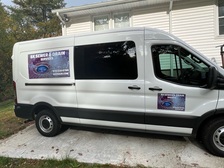
BK Sewer & Drain Services
BK Sewer & Drain Services
Customers say: Quick response
Recommended by 100% of Angi customers
Recommended by 100% of HomeAdvisor customers
7 years of experience
We pride ourselves on reliability, communication, integrity, and quality work. We are experts in our trade. We look forward to earning your business! Please call 978-941 5561 For all drain and sewer services
"Bright knows exactly what he's doing and how to fix a major plumbing issue. Very professional, prompt, has very clear communication, is hard working, very hard working, and personable. He has the proper equipment do diagnose and fix the problem in a timely manner. His knowledge of plumbing is also exemplary. It was a pleasure doing business with him and will hire him for future jobs. Thank you Bright!"
Ava D on January 2022
We pride ourselves on reliability, communication, integrity, and quality work. We are experts in our trade. We look forward to earning your business! Please call 978-941 5561 For all drain and sewer services
"Bright knows exactly what he's doing and how to fix a major plumbing issue. Very professional, prompt, has very clear communication, is hard working, very hard working, and personable. He has the proper equipment do diagnose and fix the problem in a timely manner. His knowledge of plumbing is also exemplary. It was a pleasure doing business with him and will hire him for future jobs. Thank you Bright!"
Ava D on January 2022

D Day Plumbing
D Day Plumbing
Customers say: True professional
Recommended by 100% of Angi customers
Recommended by 100% of HomeAdvisor customers
13 years of experience
- Closely follow the average True Cost Rate furnished on the Homeowners section of Home Advisor for labor costs - Show up on time and give up front estimates - Focus on service work and limited multi-day projects so my schedule remains fluid - Advocate on the customer's behalf shopping for best prices on quality materials and best practices to get jobs done to code at the best rate possible
"We had an issue with a Dry Well periodically backing up. Damian and the D Day Plumbing team were very professional and knowledgeable and provided an estimate with a couple different options and their related costs. They installed a new utility sink, sink pump, and needed piping and valves with tie ins to the main septic. They made improvement above and beyond the initial job breakdown, all the while staying within budget. I will certainly consider them again for any future work. Thank you Damian and the D Day Plumbing Team for a job very done!"
Jim K on July 2024
- Closely follow the average True Cost Rate furnished on the Homeowners section of Home Advisor for labor costs - Show up on time and give up front estimates - Focus on service work and limited multi-day projects so my schedule remains fluid - Advocate on the customer's behalf shopping for best prices on quality materials and best practices to get jobs done to code at the best rate possible
"We had an issue with a Dry Well periodically backing up. Damian and the D Day Plumbing team were very professional and knowledgeable and provided an estimate with a couple different options and their related costs. They installed a new utility sink, sink pump, and needed piping and valves with tie ins to the main septic. They made improvement above and beyond the initial job breakdown, all the while staying within budget. I will certainly consider them again for any future work. Thank you Damian and the D Day Plumbing Team for a job very done!"
Jim K on July 2024

Rooter-Man
Rooter-Man
Customers say: Quick response
Recommended by 93% of Angi customers
Recommended by 93% of HomeAdvisor customers
10 local quotes requested
We offer fast & dependable service at reasonable rates, 7 days a week/24 hours a day. We are a locally owned, full service, professional sewer & drain cleaning company. We have been serving the Ashburnham area since 2008, give us a call today.
"Many other contractors proposed to snake the sewer line, but I understand that is an ineffective way to eliminate root intrusions. These guys pressure-jetted the roots. Their camera moved to each successive intrusion as they jetted the pipe, demonstrably clearing the line. When they were finished, the line was clean as a whistle."
Ricardo B on November 2023
We offer fast & dependable service at reasonable rates, 7 days a week/24 hours a day. We are a locally owned, full service, professional sewer & drain cleaning company. We have been serving the Ashburnham area since 2008, give us a call today.
"Many other contractors proposed to snake the sewer line, but I understand that is an ineffective way to eliminate root intrusions. These guys pressure-jetted the roots. Their camera moved to each successive intrusion as they jetted the pipe, demonstrably clearing the line. When they were finished, the line was clean as a whistle."
Ricardo B on November 2023
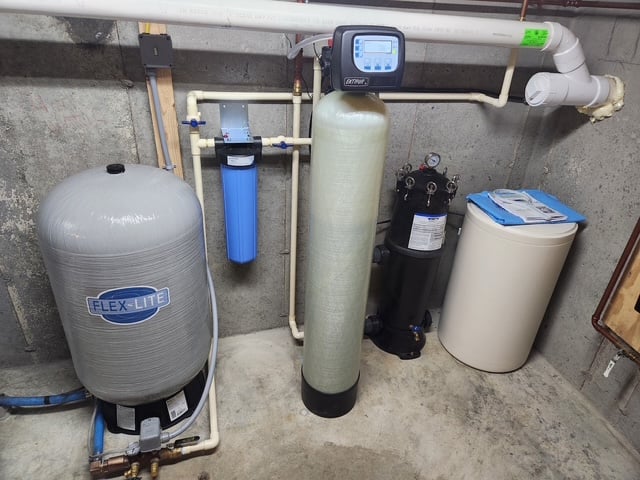
Clear Water Pump & Well Service, Inc.
Clear Water Pump & Well Service, Inc.
Customers say: Quick response
Recommended by 93% of Angi customers
Recommended by 93% of HomeAdvisor customers
103 local quotes requested
Clear Water Pump & Well Service, Inc. is your trusted partner for all your well, water filtration and pump service needs in Massachusetts and Rhode Island. With over 15 years of experience, we are the leading experts in the industry. Our commitment is to deliver exceptional service without compromising on quality, all at an affordable price. We have extensive knowledge of the latest technology in the Water Well Industry in Massachusetts and beyond, and our services are available throughout the region. Contact us today and let us earn your business.
"Good job done."
John N on November 2024
Clear Water Pump & Well Service, Inc. is your trusted partner for all your well, water filtration and pump service needs in Massachusetts and Rhode Island. With over 15 years of experience, we are the leading experts in the industry. Our commitment is to deliver exceptional service without compromising on quality, all at an affordable price. We have extensive knowledge of the latest technology in the Water Well Industry in Massachusetts and beyond, and our services are available throughout the region. Contact us today and let us earn your business.
"Good job done."
John N on November 2024

Patriot Bath Remodeling LLC
Patriot Bath Remodeling LLC
Customers say: Quick response
256 local quotes requested
1 years of experience
Patriot was established by four industry leaders with over 50 years of collective experience. Drawing from extensive collaboration with major home improvement corporations, we developed a strategic vision that culminated in the formation of Patriot. Our motivation stemmed from identifying inefficiencies within prominent home improvement firms and their impact on everyday consumers. At Patriot, our mission is rooted in a commitment to serve the community.
"Although I am pleased with the completed shower, I did not have a great experience. Mason was the sales man, and he was lovely except during the sales process he showed me doors that they no longer stock. No big deal except the doors that we agreed on were not what was delivered. Jim the project manager came out and measured the enclosure , then ordered what we had agreed and put a deposit on. We were told it may take 10 weeks to come in?. It did. The team came in the following week and removed the old tub and walls, did all the prep and plumbing on Monday. We were told as soon as the plumbing inspector came out , and passed their work they would come right back out and start the installation. Passed at 10 AM Tuesday morning, Jim said he would send a crew that afternoon, no one showed up. This went on till Friday, keep in mind, I only have one shower. Friday arrived, the installer was here with everything needed to install my new shower. About a half hour later the installer let me kn"
Mary M on November 2025
Patriot was established by four industry leaders with over 50 years of collective experience. Drawing from extensive collaboration with major home improvement corporations, we developed a strategic vision that culminated in the formation of Patriot. Our motivation stemmed from identifying inefficiencies within prominent home improvement firms and their impact on everyday consumers. At Patriot, our mission is rooted in a commitment to serve the community.
"Although I am pleased with the completed shower, I did not have a great experience. Mason was the sales man, and he was lovely except during the sales process he showed me doors that they no longer stock. No big deal except the doors that we agreed on were not what was delivered. Jim the project manager came out and measured the enclosure , then ordered what we had agreed and put a deposit on. We were told it may take 10 weeks to come in?. It did. The team came in the following week and removed the old tub and walls, did all the prep and plumbing on Monday. We were told as soon as the plumbing inspector came out , and passed their work they would come right back out and start the installation. Passed at 10 AM Tuesday morning, Jim said he would send a crew that afternoon, no one showed up. This went on till Friday, keep in mind, I only have one shower. Friday arrived, the installer was here with everything needed to install my new shower. About a half hour later the installer let me kn"
Mary M on November 2025

Remodel or Renew Home Improvement
Remodel or Renew Home Improvement
Customers say: True professional
Recommended by 91% of Angi customers
Recommended by 91% of HomeAdvisor customers
785 local quotes requested
Welcome to Remodel or Renew Home Improvement. We are committed to exceeding your expectations. As experts, we will handle your needs with the high quality expertise that your home or business deserves. We offer competitive prices and customer satisfaction is our number one priority.
"Signed contract on May 8 for deck build.On May 12 rep came to my office to collect deposit of apprx $13,000. He said project team meeting on Wed & would update me then on start date etc. On Fri May 16 I had to reach out to him. He wrote the team had met & materials were ordered. An hour later he wrote back that he was misinformed & that his boss was going to call me next week. Despite this, dep check cashed. On Mon 5. 20 rep wrote back that they had forgotten certain costs & to proceed it would be $8,000 more. Not a typo. $8,000 more. No apology. Ridiculous, contract rescinded. I wrote that he could return my deposit at my office just as he had collected it. On Wednesday the 21st I got a text from "Tom," presumably the owner/boss, saying he would "drop a check in the mail" to my address. Today is May 30th, Friday, and still no check. Check at a minimum should have been overnighted. They owe me interest not to mention the deposit to hire a contractor who will honor contract. Bad."
Jennifer M on May 2025
Welcome to Remodel or Renew Home Improvement. We are committed to exceeding your expectations. As experts, we will handle your needs with the high quality expertise that your home or business deserves. We offer competitive prices and customer satisfaction is our number one priority.
"Signed contract on May 8 for deck build.On May 12 rep came to my office to collect deposit of apprx $13,000. He said project team meeting on Wed & would update me then on start date etc. On Fri May 16 I had to reach out to him. He wrote the team had met & materials were ordered. An hour later he wrote back that he was misinformed & that his boss was going to call me next week. Despite this, dep check cashed. On Mon 5. 20 rep wrote back that they had forgotten certain costs & to proceed it would be $8,000 more. Not a typo. $8,000 more. No apology. Ridiculous, contract rescinded. I wrote that he could return my deposit at my office just as he had collected it. On Wednesday the 21st I got a text from "Tom," presumably the owner/boss, saying he would "drop a check in the mail" to my address. Today is May 30th, Friday, and still no check. Check at a minimum should have been overnighted. They owe me interest not to mention the deposit to hire a contractor who will honor contract. Bad."
Jennifer M on May 2025
Fire Sprinkler Companies questions, answered by experts
The Townsend, MA homeowners’ guide to fire sprinkler services
From average costs to expert advice, get all the answers you need to get your job done.

This guide to toilet installation cost covers what you can expect to pay when adding a new toilet to an existing or new bathroom.
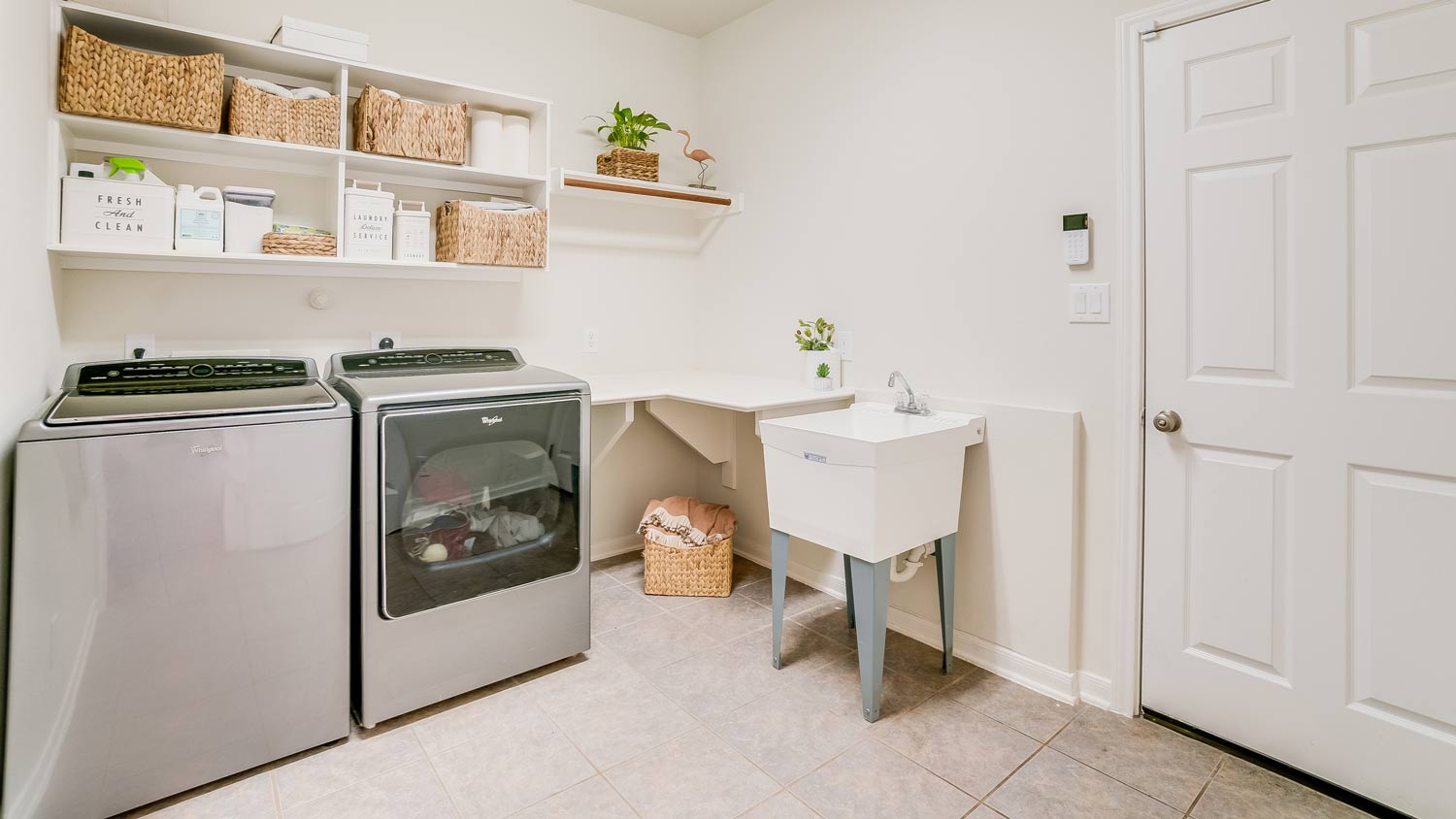 •
•Discover the cost to finish a basement laundry room. Learn about average prices, key cost factors, and tips to budget your basement laundry remodel.

The first step toward a cozy finished basement is adding its framing. How much does it cost to frame a basement? Let's break down the numbers.

A new showerhead is an easy, affordable way to upgrade any bathroom. Learn how to change a showerhead, from removing the old to installing the new.

Creating ceilings in a finished basement can make the space more enjoyable, but also introduce some challenges. Understanding all your basement ceiling options is helpful.

If your basement is stuffy and lacks the proper ventilation, read these tips for how to ventilate your basement so that you can utilize the space fully again.
- West Townsend, MA Fire sprinkler pros
- Pepperell, MA Fire sprinkler pros
- Lunenburg, MA Fire sprinkler pros
- Brookline, NH Fire sprinkler pros
- Ashby, MA Fire sprinkler pros
- Shirley, MA Fire sprinkler pros
- Greenville, NH Fire sprinkler pros
- Fitchburg, MA Fire sprinkler pros
- Groton, MA Fire sprinkler pros
- Hollis, NH Fire sprinkler pros
- Devens, MA Fire sprinkler pros
- Ayer, MA Fire sprinkler pros
- Leominster, MA Fire sprinkler pros
- Dunstable, MA Fire sprinkler pros
- Ashburnham, MA Fire sprinkler pros
- Milford, NH Fire sprinkler pros
- New Ipswich, NH Fire sprinkler pros
- Nashua, NH Fire sprinkler pros
- Wilton, NH Fire sprinkler pros
- Harvard, MA Fire sprinkler pros
- Lancaster, MA Fire sprinkler pros
- Temple, NH Fire sprinkler pros
- Littleton, MA Fire sprinkler pros
- Westford, MA Fire sprinkler pros
- Amherst, NH Fire sprinkler pros
- Tyngsboro, MA Fire sprinkler pros
- Westminster, MA Fire sprinkler pros
- South Lancaster, MA Fire sprinkler pros
- Boxborough, MA Fire sprinkler pros
- Sterling, MA Fire sprinkler pros
What do you need done? We’ll find top pros.
- 🌱 "Mow a small front yard"
- 🛠 "Fix a leaking pipe under the sink"
- 🏠 "Repair shingles on an asphalt roof"