

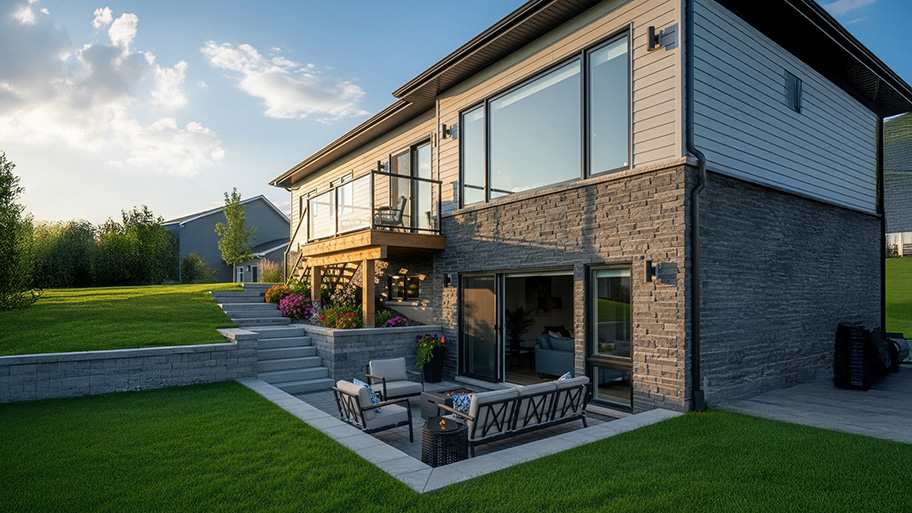
Walkout basements cost more to install than traditional basements. Our guide explores the factors that affect how much a walkout basement costs.
Basement remodel costs depend on your project and location. Check with a local pro for your specific job.

Basement framing costs between $500 and $1,600 for your project, depending on whether you include drywall installation.
Your basement size and interior wall layout set total linear feet, which drives your overall framing price.
You should account for permits at $1,200 to $2,000 and waterproofing prep before you close up walls.
Hiring a local basement remodeling professional ensures structurally sound framing and supports resale value through consistent quality workmanship.
In 2026, the national average cost to frame a basement is $1,200, which typically includes drywall and insulation installation. Most homeowners spend between $500 and $1,600 on the project, with basic framing running about $3 to $6 per linear foot—or $5 to $10 per linear foot when drywall is added. Your basement size, wall layout, and whether you include drywall are the primary drivers of your final cost.
A finished basement is a popular renovation that adds value to a home and expands its livable square footage. Before you can consider finishes, you need to add basic framing around the outside of the room and enclose the interior walls. The basement wall frames will house insulation, wiring, drywall, and all your chosen finishes. Understanding the key cost factors — size, materials, labor, and permits — helps you build an accurate budget from the start.
The cost to frame a basement will primarily come down to its size. The larger the basement, the more linear feet required to cover its walls. Additionally, if you opt to include internal walls—and not an open floor plan—you must increase the estimated number of linear feet for your walls.
Basement framing costs between $2 and $10 per linear foot of wall, with the primary cost driver being whether drywall is included. Installing treated lumber alone runs $2 to $6 per linear foot, while combining framing with drywall brings the range to $5 to $10 per linear foot. The larger your basement and the more interior walls you add, the more linear feet you'll need to account for in your budget. Here is how costs scale across common basement sizes:
| Size (Linear Feet) | Framing Only in 2026 | Framing + Drywall in 2026 |
|---|---|---|
| 500 | $1,000 – $3,000 | $2,500 – $5,000 |
| 750 | $1,500 – $4,500 | $3,750 – $7,500 |
| 1,000 | $2,000 – $6,000 | $5,000 – $10,000 |
| 1,500 | $3,000 – $9,000 | $7,500 – $15,000 |
| 2,000 | $4,000 – $12,000 | $10,000 – $20,000 |
The primary material for basement framing is pressure-treated two-by-four lumber, which resists moisture and pests, and lumber costs between $1 and $5 per linear foot of wall. This is similar to what you'd see with the cost to frame a house, making it a useful benchmark if you're budgeting materials separately. Learning how to finish a basement wall is an advanced DIY, so knowing material costs helps you decide whether to tackle any portion yourself. Always use high-quality, pressure-treated lumber to ensure your framing holds up against basement moisture over time.
Labor is a significant line item when you hire the right pro to finish your basement, adding $1 to $5 per linear foot of wall and accounting for 50% of the total framing cost. Most basement contractors charge a flat fee that covers framing alongside other finishing elements. When priced as part of a full basement finish, labor drops to about 20% of the total project cost. Getting a detailed quote upfront helps you understand exactly what labor covers before work begins.
Permits are a required cost for basement framing projects, and the cost of a building permit for converting basements and attics typically ranges between $1,200 and $2,000. Permit requirements vary by municipality, so the specific rules in your area will determine where you fall in that range. Always check with your contractor, local building codes, and your HOA before starting a project of this scale.
The type of basement you have — masonry wall, precast panel, or poured concrete wall — directly affects your framing cost. Each type requires a different construction approach, which influences both materials and labor. Knowing your basement type before getting quotes helps you compare bids accurately and avoid surprises.
Framing a masonry wall basement typically costs $10 to $12 per linear foot of wall area, making it a mid-range option among the three basement types. This approach involves building a wood-framed concrete wall with a frame extending from the wall and fastened to the ground. The two-part construction process accounts for the moderate cost compared to simpler framing methods.
Poured concrete wall basements are the most expensive framing type, costing $12 to $16 per square foot. Wall thickness and basement layout are the primary factors that determine where your project falls within that range. If you want thicker walls or a more complex layout, expect costs to land closer to the higher end.
Precast panel basement framing costs between $8 and $12 per linear foot, making it a more affordable alternative to poured concrete. These panels arrive ready to install, which speeds up the construction process significantly. They also offer built-in advantages — waterproofing, better insulation, and tighter fits — that add long-term value beyond the lower upfront cost.
Framing a basement is rarely a standalone project — it is typically the first step in a larger finishing process. Planning for the additional costs of finishing a basement, both before and after framing, helps you avoid budget surprises. Waterproofing, drywall, electrical, plumbing, and finishes all add to the total investment once the frame is in place.
Waterproofing a basement costs between $5 and $10 per square foot and should be completed before you close up the bare walls. This step is critical to protecting your framing and finishes from moisture damage over time. In some cases, you may only need to add extra floor drainage or an extra coat of waterproof paint, which keeps costs at the lower end.
Adding drywall to your basement framing costs an additional $3 to $4 per linear foot for the full wall. For straightforward walls, you can hang drywall yourself since the framing is already in place. If your basement has large walls with windows or electrical outlets, leave the installation to the professionals to ensure a clean, code-compliant result.
Hiring a pro to paint your basement walls runs an average of $1,800, with painting a room costs ranging between $2 and $6 per square foot depending on size and complexity. Doing it yourself brings the cost down to just the price of paint, which runs anywhere from $20 to $100 per gallon. DIY painting is one of the more accessible ways to reduce your overall basement finishing budget.
Equipping your basement with an electrical panel, outlets, and proper wiring costs up to $4,000 depending on your existing electrical setup. If you plan to use the space as a game or entertainment room, you may need to increase your home's electrical capacity, which pushes costs higher. Budget an additional $360 each for lighting fixtures, since a finished basement typically requires multiple fixtures throughout the space.
Adding plumbing to a finished basement significantly increases your budget, with the cost to add a bathroom averaging $15,000 and the cost of the rough-in plumbing alone running about $6,500. If a full bathroom is beyond your budget, a wet bar is a popular alternative that adds about $8,000 to the project. Planning your plumbing needs before framing begins allows your contractor to route pipes efficiently and avoid costly rework later.
Finishing your basement goes well beyond drywall and paint; flooring ranges from $3 to $22 per square foot, depending on whether you choose DIY laminate or hardwood. Building and finishing the ceiling adds an average of $1,600, depending on whether you opt for drywall or a drop ceiling. Trim around your floors and ceiling costs between $4 and $6 per linear foot, including installation, rounding out the major finish expenses.


Here are some suggestions to help you save money when framing a basement.
You'll need drywall or plywood for framing your basement. Typically drywall is a little less expensive than plywood, but if you shop around you might be able to find a deal on one or the other.
If you can take some of the smaller preparation tasks off the contractor's hands, you could save some money on labor. Here are a few things you could probably do on your own with a little research:
Plug existing holes to prevent moisture from entering the space.
Put up insulation.
Build wood grids that the drywall will attach to.
Then, you can leave the heavy drywall installation to the pros.
Get at least three quotes from basement pros before booking. Ask each contractor how they will approach this project—this will help you spot a bad basement remodeler.
According to data from Angi, most homeowners are looking for input from a professional, with around 57% wanting a recommendation and 37% of homeowners wanting sketches or a basic idea for a project.
Because labor accounts for about half the cost of framing a basement, you could reduce your project costs to $1 to $3 per linear foot for basic framing and $4 to $8 per linear foot for framing that includes drywall.
If you've already hired a contractor to finish the basement, you may save money on labor costs by having them handle that job as well. Contact a basement professional near you for a quote, which could save you a lot of work, time, and money down the road.
Framing a basement requires specialized expertise and equipment. Here's why it's best to hire a pro for the job:
Professionals know how to build walls that are level and structurally sound.
Hiring a pro ensures compliance with local building codes, permits, and safety regulations.
DIY framing can lead to crooked walls, structural issues, and costly repairs.
Reputable pros carry insurance and warranties for added protection.
Professionally framed basements ensure a high-quality job and increase your home's resale value.
If you want to assist with the process, consider taking on the following tasks:
Clear storage, clutter, and debris from the basement before framing begins
Paint or stain walls, trim, and support beams after the project is complete
Assist with minor prep work, like marking stud locations
Organize tools, equipment, and materials to make them easily accessible for your pro
Clean up the area and dispose of debris once your pro is done
Discuss with your pro the measurements of your basement and the areas you want to frame.
Consider which materials and framing services fit into your budget.
Ask about add-ons like built-in shelving and insulation options.
Prepare to discuss the timeline, cost, and necessary permits with your pro.
Home is the most important place on earth, which is why Angi has helped more than 150 million homeowners transform their houses into homes they adore. To help homeowners with their next project, Angi provides readers with the most accurate cost data and upholds strict editorial standards. We extensively research project costs to develop the pricing data you see, so you can make the best decisions for you and your home. We rely on reputable sources, including the U.S. Bureau of Labor Statistics, academic journals, market studies, and interviews with industry experts—all to ensure our prices reflect real-world projects.
Want to help us improve our cost data? Send us a recent project quote to [email protected]. Quotes and personal information will not be shared publicly.
Finished Basements Plus was wonderful from beginning to end! First, they came out quickly for an estimate. I had 4 estimates and theirs was by far the best. (2 of the estimates were more than $20K higher than for the exact same work). Beyond their fair pricing, the work was excellent. They...
 Finished Basements Plus Inc.
1st Choice Renew is simply the best! We hired them for a complete home renovation, and they transformed our space into something truly amazing. The team attention to detail and commitment to quality were evident throughout the project. They were easy to work with, very responsive, and always...
 Save A Dime
Amazing job. Efficient and quick without compromising quality. Basement feels brand new. Would use them again in a heartbeat.
 AffordaPro Restoration
Window Depot did an amazing job installing the windows in my basement! The process from start to finish was by far more than what I expected. I would highly recommend Window Depot if you want professionalism from the the consultation to the installation. Dont settle for mediocre when you can...
 Window Depot USA of Central Ohio
Look forward to them getting started in our basement here soon. Extremely professional, very detailed and was a pleasure to have around. Anything we needed to work on or change in the middle of the project, they were open and willing to work with me.
 Jones & Sons Construction LLC
They cleaned my very dirty basement. They were prompts, quick, thorough and their price was fair.
 JDE House Cleaning LLC
I am very pleased with the services performed by OTS. Bless my late Mother, but she was a bit of a pack-rat. The basement of her home was crammed with 40+ years of "stuff," and the other companies I contacted were concerned with possible mold contamination of the items due to the musty smell...
The company was very easy to work with. My family is now able to enjoy a space that at one point, only collected junk!!!! I feel like i have a whole new addition to the house!!! Wonderful work Blurock on our basement, will recommend!
 BluRock Services, Inc.
first time using home advisor and Grace Remodel was positively the right choice!!!! it was a large job and mark did an excellent job. the price was right, he worked long and hard every day, his attention to detail is impressive, and he finished on time. i have worked with many contractors...
 Grace Remodel & Paint, LLC
We met with Matt on July 1 to discuss a kitchen and bath remodel. We spent over an hour taking about what we wanted and shared our thoughts about timelines and budgets. It’s been over 3 months and we haven’t heard from him since. We would understand if there had been some communication, but...
 Elite Home Remodeling Inc
From average costs to expert advice, get all the answers you need to get your job done.
Walkout basements cost more to install than traditional basements. Our guide explores the factors that affect how much a walkout basement costs.
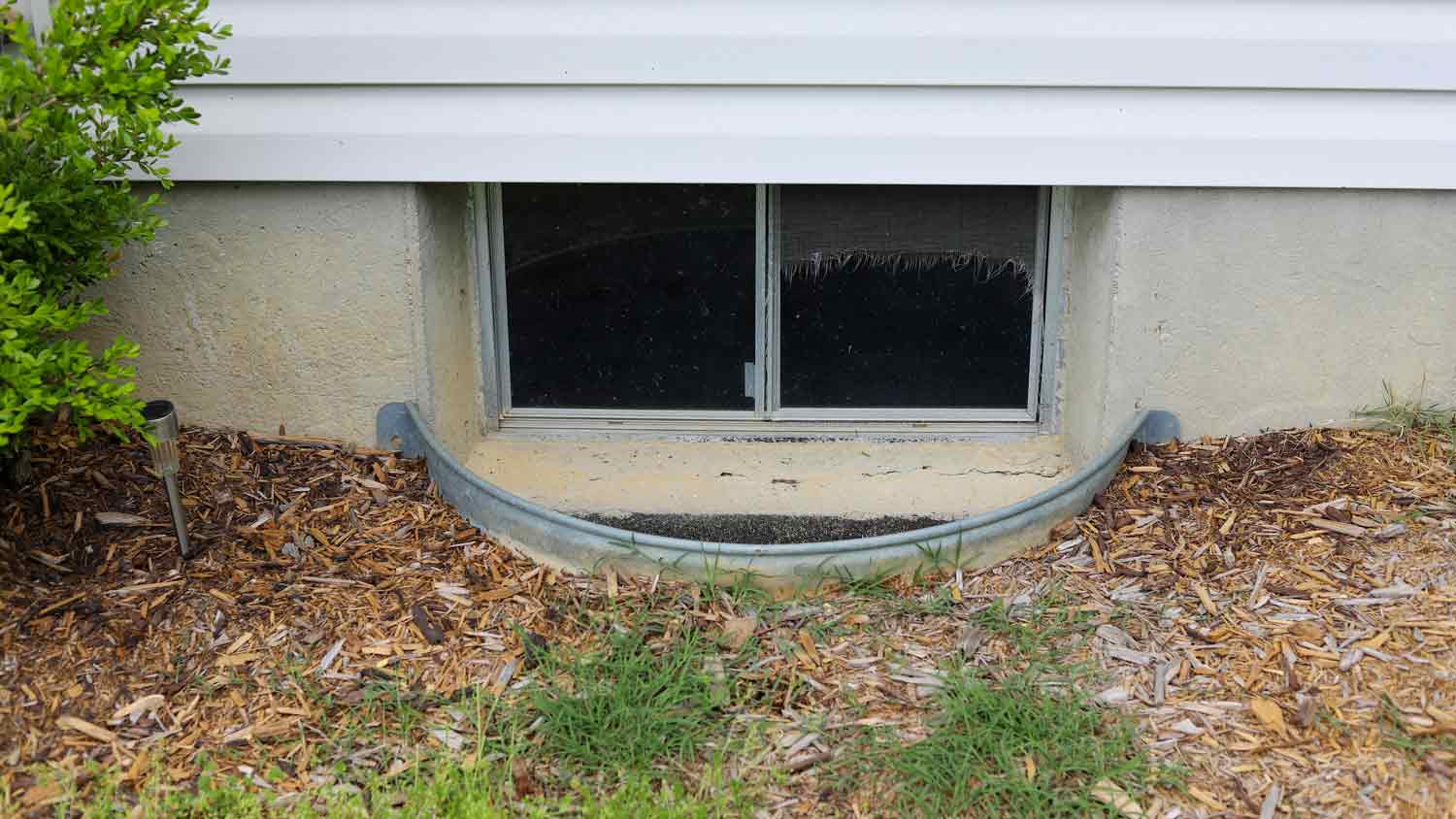
Find out how much it will cost to replace a basement window in your home, based on the type and size of the window, whether it’s prefab or custom, and who does the installation.
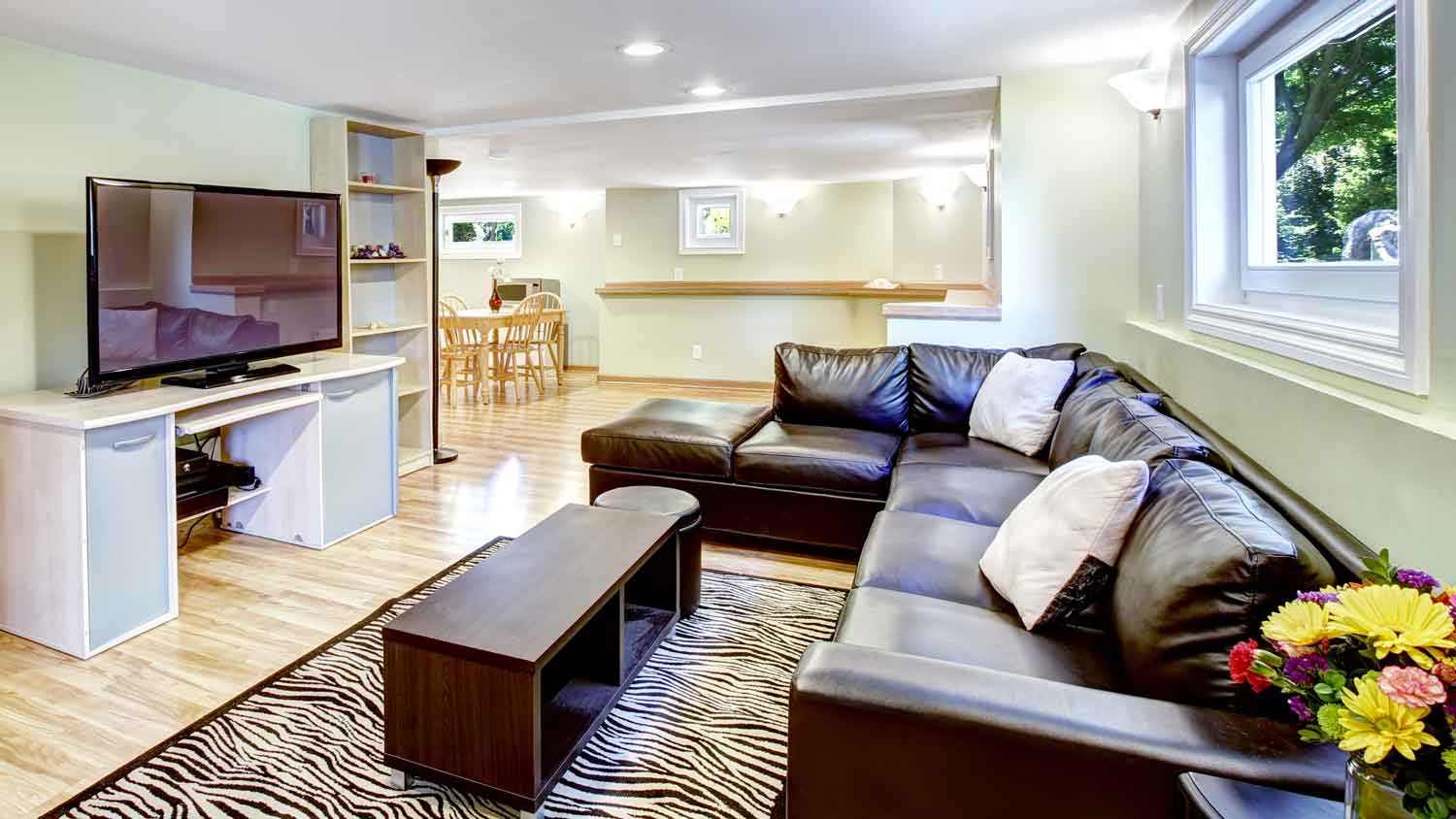
A basement remodel can often cost as much as adding another room. However, homeowners should consider the usefulness and ROI of a remodel.
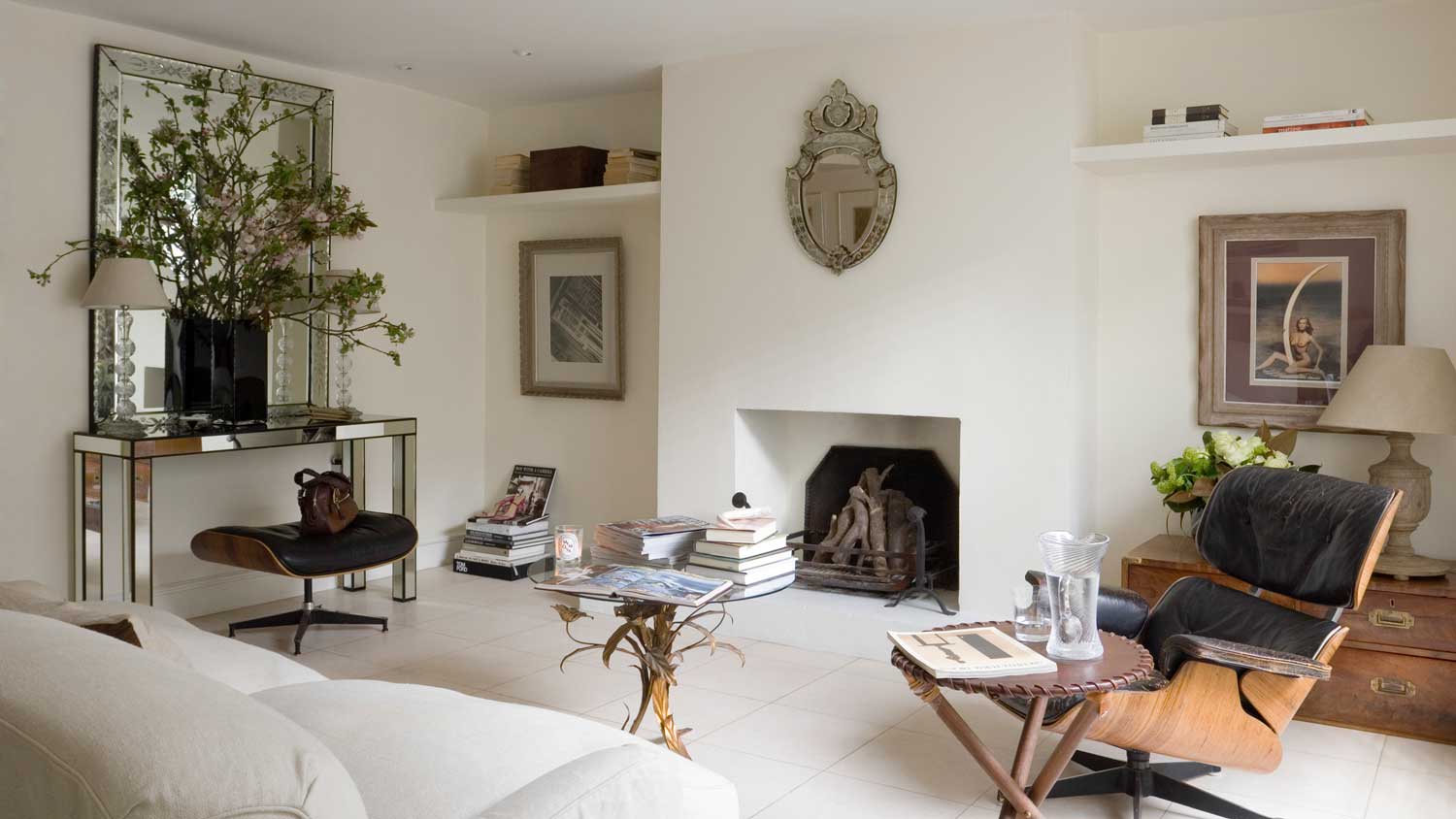
A basement offers additional living or storage space, but if it leaks, it can become a significant headache. Learn how to fix a leaky basement and prevent water damage.
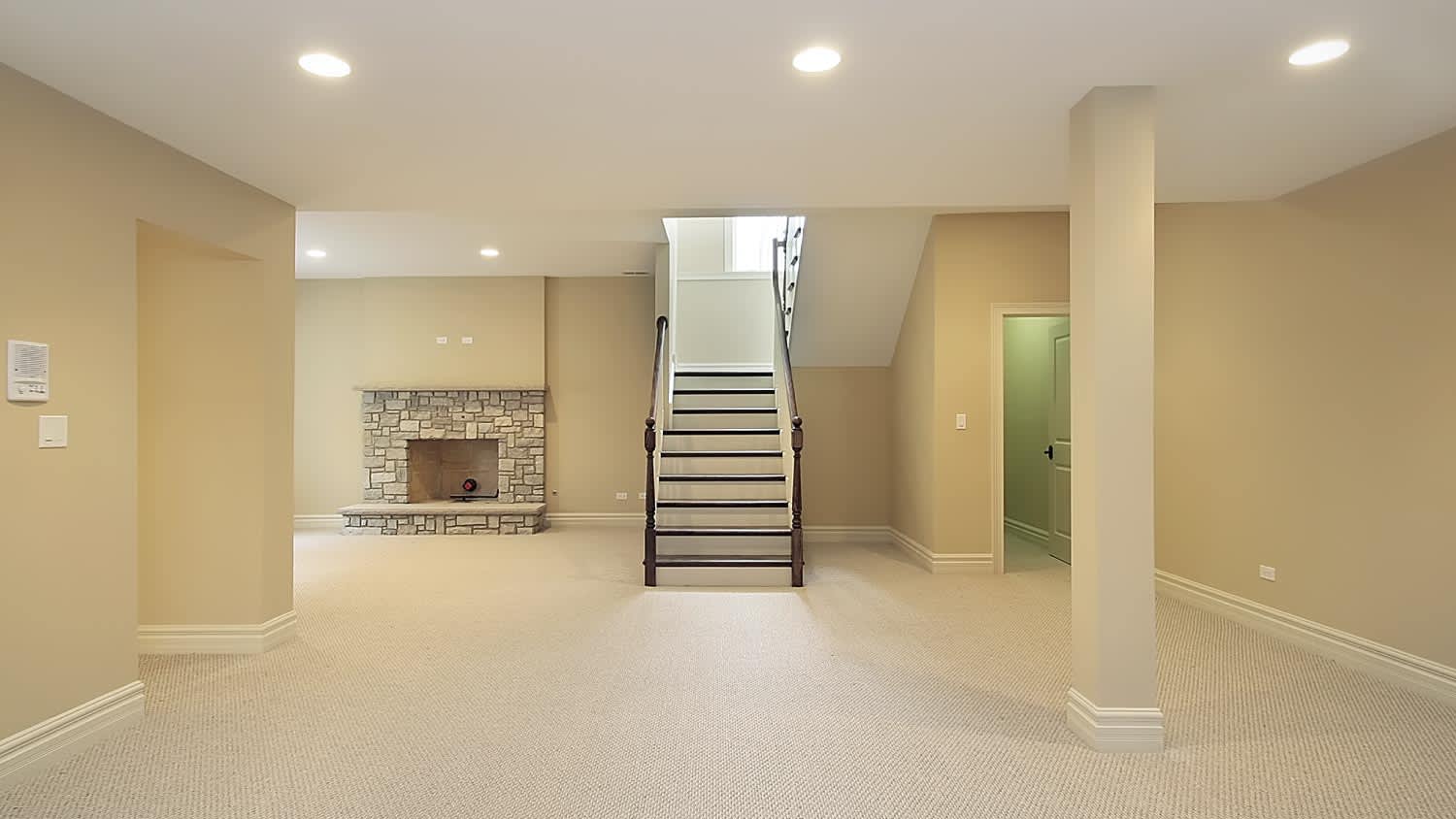
Take the mystery out of renovating a basement by following a simple plan to ensure your remodel goes smoothly from start to finish.
Can’t seem to get rid of the moisture and mold in your basement? Learn why basements tend to hold moisture and how to get rid of moisture in the basement.