





Top-rated deck staining pros.

Get matched with top deck staining pros in Longmeadow, MA

Enter your zip and get matched with up to 5 pros

Need a pro for your deck staining project in Longmeadow, MA?

Select your specific project to find the pro for you.

TRUSTED BY LONGMEADOW, MA HOMEOWNERS

  • Average homeowner rating star icon4.3
    Average homeowner rating
  • Verified reviews icon113
    Verified deck staining services reviews
Deck Staining questions, answered by experts

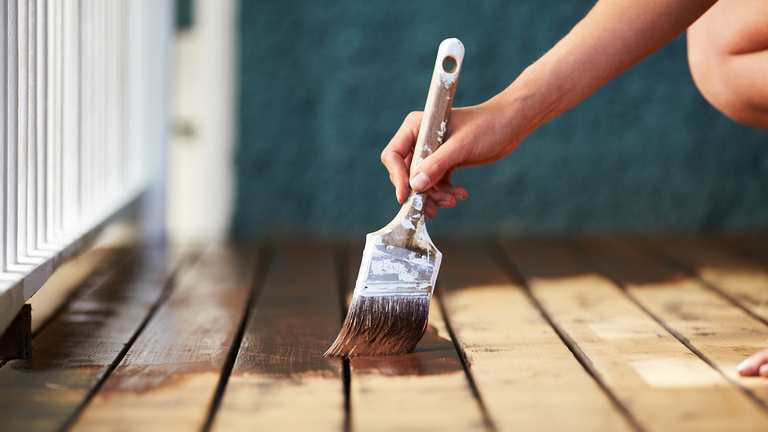
Stains penetrate wood best when it's cool and dry, so you want to avoid moisture. If the wood is wet upon application, or if it rains before the stain dries, the water will soak into the wood and displace the staining solution. This leads to a flaky and blotchy look, which is the opposite of a sumptuous even coat. Once the stain has fully cured, after about 3 days, rain shouldn’t cause you any problems.

Wood stains last anywhere from two to five years, depending on exposure to the elements, your local climate, the type of stain, and the surface it’s on. For instance, vertical surfaces last longer than horizontal surfaces. Some types of woods, like dense hardwoods, will require a recoat yearly, as they are too dense for the stain to absorb. In any event, apply a recoat every 2 to 4 years. As for storage, a can of unopened stain can last up to 5 years, though results may vary.

In most cases, sanding an old deck before staining it is necessary to achieve a decent finish. If your old deck has a relatively new stain finish on it and you're only doing touch-ups, you can generally skip the sanding part. However, if your goal is to make the deck look and function better, sanding first is a must. 

Waterproof paint creates a barrier to hold back moisture, but it doesn’t eliminate the source of the water. If you hire a basement waterproofing contractor, many will tell you that waterproof paint is only a temporary solution. On average, you can expect it to last from six months to two years in a wet basement before deteriorating.
Avoid using cleaning products that are abrasive or contain bleach or acidic components on composite decking to avoid discoloration. Early-generation Trex decking isn’t designed to handle pressure washer cleaning—and if you use them on second-generation boards, always use a low setting to avoid the risk of damage that can risk voiding your warranty.