




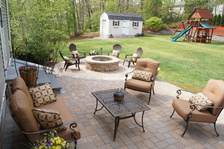

Top-rated fire pit installation pros.

Get matched with top fire pit installation pros in Harvard, MA

Enter your zip and get matched with up to 5 pros

Need a pro for your fire pit installation project in Harvard, MA?

Select your specific project to find the pro for you.

TRUSTED BY HARVARD, MA HOMEOWNERS

  • Average homeowner rating star icon4.5
    Average homeowner rating
  • Verified reviews icon283
    Verified fire pit installation services reviews

Find Fire pit installation pros in Harvard

No results for Fire pit installation pro in

Try adjusting your search criteria.
Fire Pit Installation questions, answered by experts

According to the National Fire Protection Association, dryers and washing machines cause over 15,000 fires a year, with dryers causing about 92 percent of those fires. Because dryer fires are more common than you might think, it’s important to clear the lint trap regularly and have annual dryer vent cleanings.

You should only use water to put out a fire in your fireplace in an emergency situation. Even then, it is better to use a fire extinguisher to put out a fire quickly. Make sure every room in your house that has a fireplace also has a fire extinguisher—and that everyone in your household knows how to use one.

Yes, a hot or overheating outlet is a fire hazard and can cause a fire. An outlet becoming hot indicates an electrical problem, such as an overloaded circuit, loose connections, or a faulty component. The heat from these issues can ignite nearby flammable materials like curtains or furniture. If you notice an outlet is hot to the touch, turn off the power at the circuit breaker, unplug any connected devices, and consult a qualified electrician. If a fire does start, use a Class C fire extinguisher or baking soda to suppress it, or evacuate immediately and call the fire department.

Yes, you should seal and cap an unused chimney to protect it from damage. Sealing the structure helps prevent moisture damage, which can lead to issues like cracks, spalling, efflorescence, and damaged mortar joints. Capping the chimney is also crucial to prevent blockages, damage from invasive critters, and downdrafts, while still allowing for proper air ventilation to manage moisture. For the best results, consult a chimney professional to select the right type of chimney or flue cap for your home. It's also wise to continue with annual chimney inspections to maintain the structure's integrity.

Yes, it’s worth capping a chimney. Here are several reasons to install a chimney cap:

  • Keep out rain, snow, wildlife, and other debris

  • Help prevent chimney fires

  • Reduce your chimney’s exposure to moisture

  • Maintain your chimney flue liner

  • Help reduce energy bills by helping regulate your home’s temperature

The Harvard, MA homeowners’ guide to fire pit installation services

From average costs to expert advice, get all the answers you need to get your job done.