






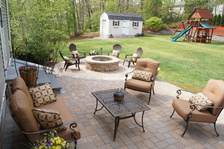

Top-rated fire pit installation pros.

Get matched with top fire pit installation pros in Boxborough, MA

Enter your zip and get matched with up to 5 pros

Need a pro for your fire pit installation project in Boxborough, MA?

Select your specific project to find the pro for you.

TRUSTED BY BOXBOROUGH, MA HOMEOWNERS

  • Average homeowner rating star icon4.5
    Average homeowner rating
  • Verified reviews icon478
    Verified fire pit installation services reviews

Find Fire pit installation pros in Boxborough

No results for Fire pit installation pro in

Try adjusting your search criteria.
Fire Pit Installation questions, answered by experts

After a house fire, you should not reenter your home unless the fire crew has told you it’s safe to do so. In the longer term, you should not attempt to make repairs to the house on your own. Professional crews are trained to clean up after a fire (including smoke and soot damage), dry out any water damage from the firefighter crews, and make the necessary structural, plumbing, and electrical repairs—and this is all likely covered by insurance.

Pellet stoves are safer than wood stoves in many ways. They don’t produce as many creosote deposits as wood stoves do, they create less smoke, and the flames are contained, decreasing the risk of any sparks or embers creating a house fire. Pellet stoves also burn more cleanly and efficiently than wood stoves do.

EIFS has several disadvantages, primarily related to cost and moisture. The system tends to have higher upfront installation costs compared to other siding options, and repairs can also be expensive, especially if water damage occurs. A significant downside is its low breathability, which can trap moisture between its layers from either leakage or condensation. This trapped moisture increases the risk of developing mold and rot, which can lead to costly and extensive repairs if not addressed promptly.

In general, it will take about 90 minutes to burn the creosote sweeping log by itself, allowing it to work its magic. This may be longer or shorter depending on the conditions of your chimney.

Yes, you should seal and cap an unused chimney to protect it from damage. Sealing the structure helps prevent moisture damage, which can lead to issues like cracks, spalling, efflorescence, and damaged mortar joints. Capping the chimney is also crucial to prevent blockages, damage from invasive critters, and downdrafts, while still allowing for proper air ventilation to manage moisture. For the best results, consult a chimney professional to select the right type of chimney or flue cap for your home. It's also wise to continue with annual chimney inspections to maintain the structure's integrity.

The Boxborough, MA homeowners’ guide to fire pit installation services

From average costs to expert advice, get all the answers you need to get your job done.