






Top-rated aquarium service pros.

Get matched with top aquarium service pros in Danvers, MA

Enter your zip and get matched with up to 5 pros

Need a pro for your aquarium service project in Danvers, MA?

Select your specific project to find the pro for you.

TRUSTED BY DANVERS, MA HOMEOWNERS

  • Average homeowner rating star icon4.4
    Average homeowner rating
  • Verified reviews icon738
    Verified aquarium services reviews

Find Aquarium service pros in Danvers

AFFORDABLE MASONRY
4.6(
88
)
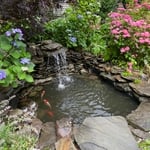
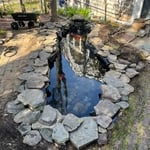
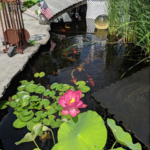
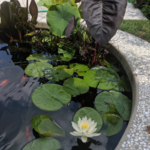
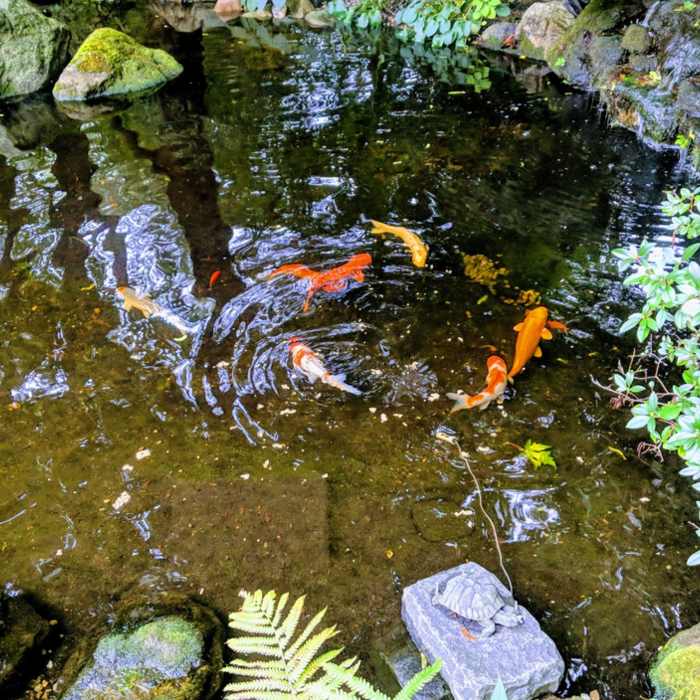
Water Feature - Install a Pond

Serving Danvers, MA and surrounding areas

In business since 2003

Free estimates

Emergency services offered

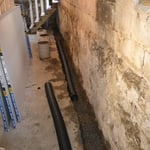
"Very well. The crew did a very thorough job removing the old and damaged mortarwork, and since they used a power washer as well as rock hammers the basement was quite a lot cleaner when they left than when they started. The worked quickly, cleaned up thoroughly, found and fixed more than expected, and completed ahead of schedule and on budget."
Additional Photos
Additional Photos
Additional Photos
Additional Photos
Additional Photos

+3

Recommended by95%of homeowners
Avatar for Clarke General Contracting
Clarke General Contracting
5.0(
7
)
Water Feature - Install a Pond

Serving Danvers, MA and surrounding areas

In business since 2019

Free estimates

Emergency services offered

"Very accommodating, speedy response and great work. The results speak for themselves. These guys worked quick and efficient. Would definitely recommend them and use them again. Thank you Clarke Contracting!"
Response time10 hrs
Recommended by85%of homeowners
...
Showing 1-10 of 51
Aquarium Services questions, answered by experts

You should never pour antifreeze down the drain or outside on the ground. Because it's highly toxic, antifreeze can still impact people and animals long after it drains. Antifreeze can contaminate water and sewage systems, and any that gets into storm drains and water supplies can attract animals and harm those that ingest it.

Using less toilet paper is the easiest way to prevent future clogs. Also, avoid flushing sanitary products, thick paper towels, or hair down the toilet. If you’ve been using a brick in the tank to reduce the water used to flush the toilet, take it out immediately. Bricks will eventually fall apart and clog your toilet drain. Keeping your toilet lid closed also helps avoid future clogs.

A septic system's lifespan typically ranges from 15 to 40 years, with a common average of 20 to 30 years. The longevity heavily depends on the tank's material, maintenance diligence, and usage habits. With proper care, lifespans can reach the upper end of this range.

Lifespan by Tank Material:

  • Concrete: 20 to 40 years

  • Plastic or Fiberglass: 30 to 40 years

  • Steel: 15 to 20 years

To maximize your system's lifespan, follow these maintenance best practices:

  • Regular Pumping and Inspections: Have the tank pumped every three to five years and schedule professional inspections regularly.

  • Mindful Usage: Only flush human waste and toilet paper. Avoid putting items like cat litter, paper towels, cigarette butts, fats, grease, oils, or coffee grounds down your drains.

  • Avoid Chemicals: Do not pour harsh chemicals into the system.

  • Water Conservation: Reduce the amount of wastewater your system has to process.

  • Protect the Drain Field: Avoid driving or building heavy structures over the drain field area.

A few signs can indicate that your cesspool needs to be emptied outside of its typical schedule. An unpleasant odor coming from your pipes or near the cesspool, gurgling noises in your pipes, and uncharacteristically good growth in your yard are signs of cesspool problems that suggest build-up or overflow. If your pipes back up, you should have your cesspool looked at right away.

To prevent septic tank problems, save on repair costs, and keep your home running smoothly, it's essential to perform regular maintenance. Have your septic system inspected by a professional every one to three years, or annually if possible, to spot potential issues before they develop. You should also have your tank pumped every three to five years, or more frequently if recommended by a professional based on your household's usage. Additionally, be mindful of what goes into your system. Avoid flushing items like paper towels, wet wipes, and feminine hygiene products. Do not dispose of other inappropriate substances, and try to avoid excessive water usage at a single time.

The Danvers, MA homeowners’ guide to aquarium services

From average costs to expert advice, get all the answers you need to get your job done.