
Top-rated drywall pros.

Get matched with top drywall pros in Clarksburg, MA

Enter your zip and get matched with up to 5 pros

Need a pro for your drywall service project in Clarksburg, MA?

Select your specific project to find the pro for you.

Find Drywall pros in Clarksburg

Sonart Construction Corp.
2.3(
7
)
Drywall - InstallDrywall - Install - For BusinessDrywall - Repair+1 more

Serving Clarksburg, MA and surrounding areas

Approved

In business since 2013

Free estimates

Credit card accepted

"I recently had my shingle roof replaced and I?m very happy with the results. The team was professional, punctual, and completed the job efficiently. The quality of the work is excellent, and the new roof looks great. They kept the work area clean and communicated well throughout the process. I would definitely recommend them to anyone needing a roof replacement."
Avatar for The BullBag
The BullBag
5.0(
15
)
Drywall - InstallDrywall - Install - For BusinessDrywall - Repair+1 more

Serving Clarksburg, MA and surrounding areas

In business since 2001

Credit card accepted

"It was so much easier than getting a dumpster. I paid less money than if I had gotten a dumpster because a dumpster charges by weight and since it snowed and rained, everything in the bag was wet - I would have paid a fortune!!! With the bullbag, I paid one set price and the cool part: I got the bag back to refill again and again. This company also recycles most of what is collected so less ends up in a landfill.
No better business bureau complaints.
One set price to empty.
I get to reuse the bag over and over."
The BullBag truck in MA
The BullBag truck in NY
Toys for Tots
Recommended by100%of homeowners
...
Showing 1-10 of 52
Drywall questions, answered by experts

For maximum stability, install grab bars on wall studs, as this will adequately support the weight. However, if you don't have access to studs, you can get by with wall anchors. If opting for the latter, choose specialty hollow wall anchors. 

There are six levels of drywall finish, from 0 to 5, that refer to the amount of work performed during the finishing process.

Level 0: Drywall is hung with no finishing work.

Level 1: Tape is placed over the seams between drywall sheets.

Level 2: A thin layer of mud is applied over the tape and screw holes. This level is common for utility rooms or walls that will be covered.

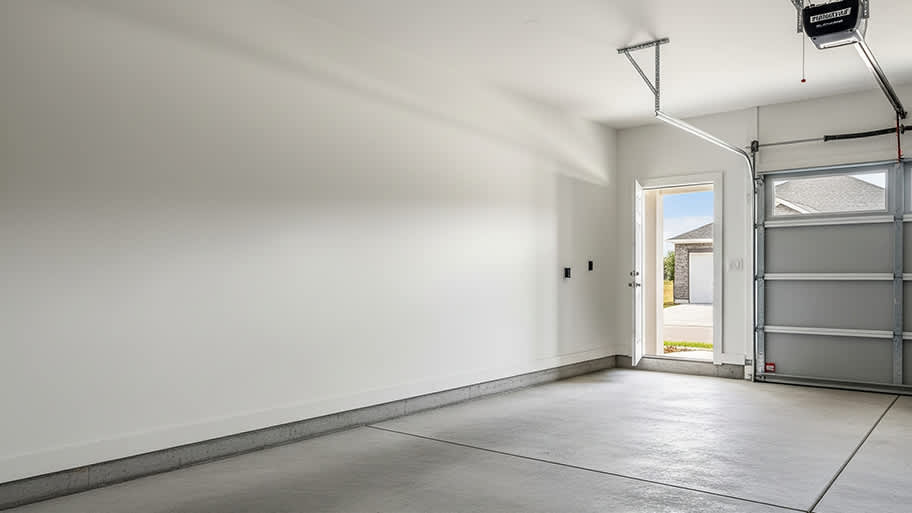
Level 3: A full coat of mud covers the screw holes and tape, but the surface is not sanded. This is often used in garages.

Level 4: This is the most common finish for visible interior walls. It involves applying two coats of mud over seams and screw holes, with sanding between each coat, creating a smooth surface ready for flat paint.

Level 5: This is a high-end finish for luxury homes. It includes full taping, mudding, and sanding, plus a final skim coat over the entire surface before painting.

Although they are used for similar tasks, spackle and joint compound are not the same. Joint compound, also known as drywall mud, consists of limestone and gypsum and is primarily used for large-scale projects like taping and finishing seams on new drywall. Spackle is composed of gypsum and binding agents, making it a thicker compound best suited for small wall repairs like filling nail holes or cracks, as it dries quickly and is easy to sand. For small repairs, either product can be suitable. However, you can use joint compound for small jobs in place of spackle, but you cannot use spackle for large-scale taping and mudding projects.

Vinegar and bleach are effective options for removing mold from drywall. Vinegar is a better choice if you have a smaller mold issue while bleach is best if you have a larger mold problem. If the area you're cleaning has limited ventilation, using vinegar would be a better option. In that case, you could mix vinegar with baking soda to remove more stubborn mold growth.

Whether you can reuse a drywall anchor depends on its type, material, and how it is removed. Plastic anchors, such as expansion or self-drilling types, are generally considered single-use because they are designed to expand and are likely to break or become deformed upon removal. Metal anchors, like toggle bolts, are more durable and can often be reused if they are not damaged during extraction. However, with toggle bolts, the toggle mechanism can fall inside the wall when the bolt is removed, making it difficult to retrieve. If an anchor is damaged or must be cut for removal, it cannot be reused regardless of its material.

The Clarksburg, MA homeowners’ guide to drywall services

From average costs to expert advice, get all the answers you need to get your job done.