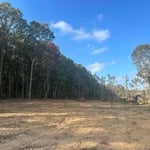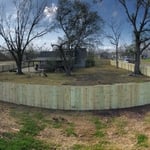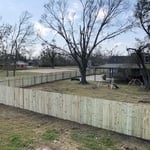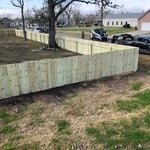



Top-rated excavation pros.

Get matched with top excavation pros in Swartz, LA

Enter your zip and get matched with up to 5 pros

Need a pro for your excavation project in Swartz, LA?

Select your specific project to find the pro for you.

Find Excavation pros in Swartz

Avatar for Parks Land Services, LLC
Parks Land Services, LLC
5.0(
2
)
Building Site - Preparation and ClearingExcavation - Major Grading or ReslopingLandscape - Minor Grading or Resloping

Serving Swartz, LA and surrounding areas

Approved

In business since 2025

Free estimates

Offers commercial services

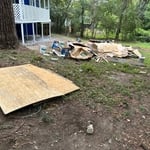
"David Parks and his team removed some trees that had fallen during one of the hurricanes. Our yard was undisturbed by his equipment, and David was able to remove all evidence of debris from the storm. You can trust the Parks Land Service team to treat your property as their own and leave it better than they found it."
Response time2 hrs
3 neighbors recently requested a quote
Showing 1-10 of 48
Excavating questions, answered by experts

Sewer lines can be buried anywhere from 18 inches to 8 feet deep, with a common average depth between 18 and 30 inches. The exact depth depends on local factors like climate and soil type. In colder regions, pipes must be buried deeper (below the frost line) to prevent freezing, sometimes as deep as 8 feet. The digging depth can also impact the cost of sewer line replacement. To find the specific depth for your property, you can check the building plans for your system, which should be on file with your city or local sanitation department since permits are required for installation.

Professional installers often include a deep layer of crushed gravel under permeable pavers to allow more runoff to soak through into the soil below. Many installations will include multiple layers of gravel, with coarser aggregate at the base and finer aggregate that sits on top of that bottom layer. Above the gravel, you’ll often find coarse sand that helps reduce paver shifting over time. Some permeable paver designs include a water collection system set into the gravel layer to route runoff to a safe area for disposal.

A mini excavator can dig between 5 and 11 feet deep, depending on the type and size of the mini excavator. Mini hydraulic excavators are more powerful and can reach deeper into the earth, but electric models have a more limited range. Mini excavators over two tons in size are also more powerful and able to dig as deep as 11 feet.

As a general rule, the protected area should be about 1½ times as wide as the canopy of the tree’s leaves. This digging measurement can vary by tree species and the age of the tree. Of course, that can be a lot of fencing for larger trees, which is why our first step is about making difficult decisions on which trees to save.

The rules for trenching and excavation include setting up and following safety protocols, learning how to use tools and machines properly, and ensuring there is a safe exit for all workers. Keep heavy equipment and materials away from the edge of the hole or trench. Call the 811 dig line before starting any excavation or trenching project to ensure you don’t hit any electrical or gas lines.

The Swartz, LA homeowners’ guide to excavation services

From average costs to expert advice, get all the answers you need to get your job done.