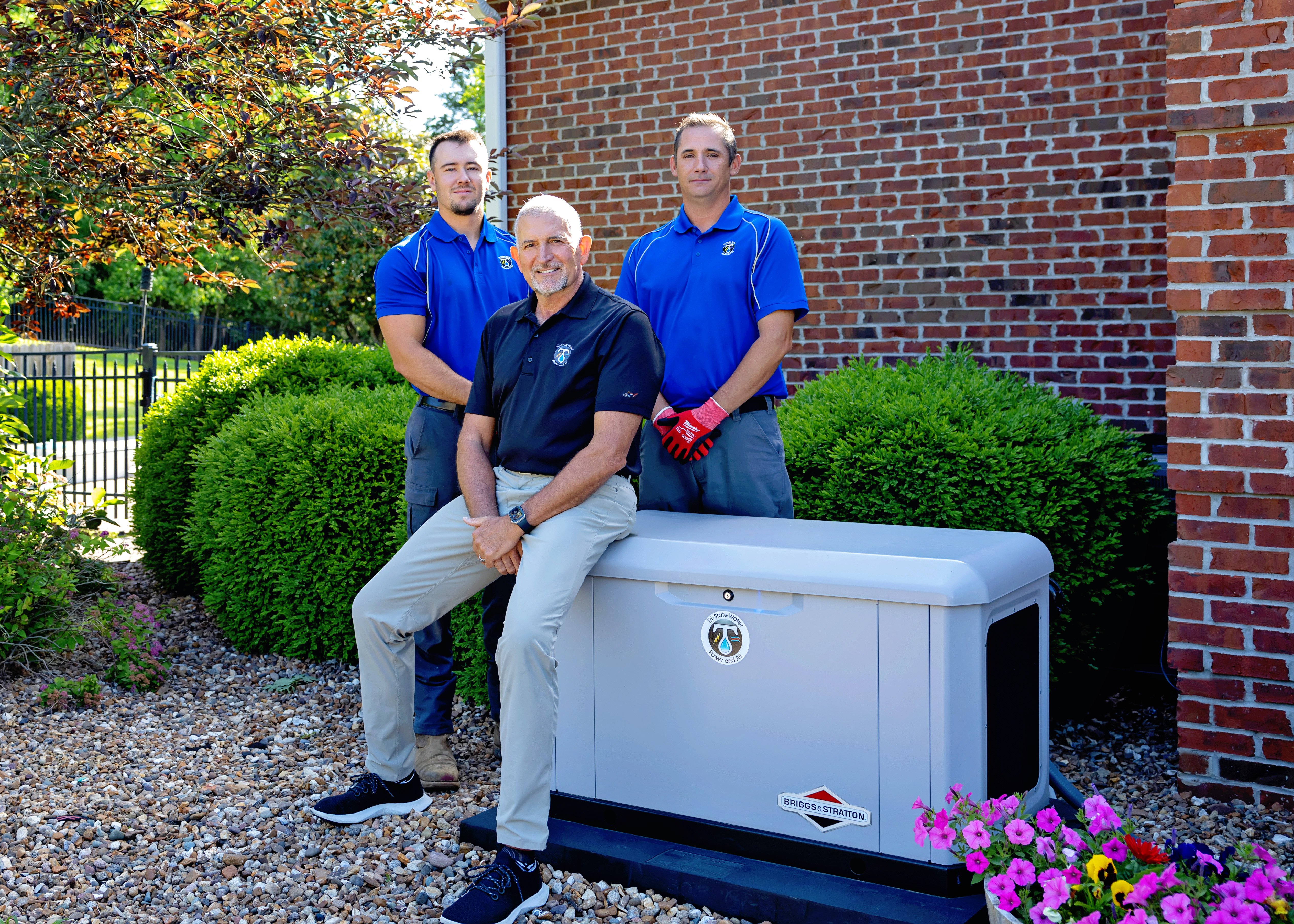
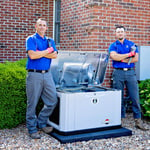
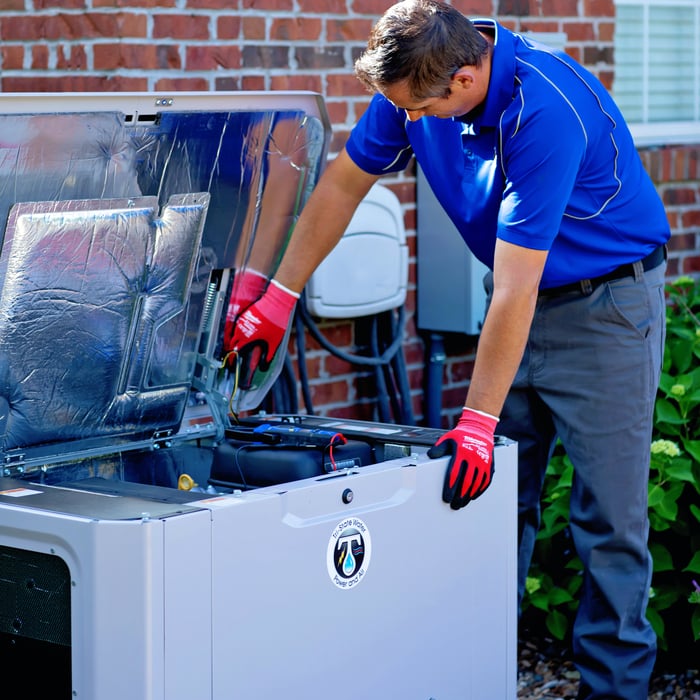
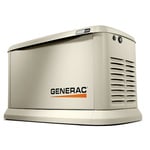
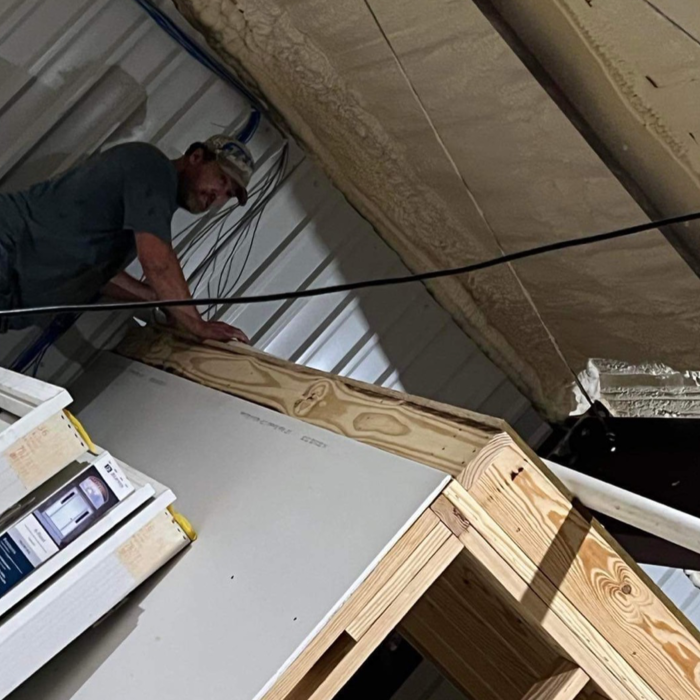
We are the experts in the field of Whole Home Generator Sales and Installation, with over 20 years of experience in the game. We provide turn-key installation by licensed professionals - 24 hour emergency service - Remote Monitoring - Long term maintenance and service by factory trained technicians.
"They manager was very friendly and informative. They gave me very good pricing and held to their word. I love my upgrades and they completed the upgrade in a timely manner. Looks great!"
"The crew at Barhambuisness services where extremely Knowledgeable respectful and hard working they installed my cameras fast I am very pleased with their work."
While standby generators provide essential backup power, they can fail when you need them most due to lack of maintenance, fuel supply issues, dead batteries, electrical problems, or improper installation. To avoid costly failures, professional installation and regular maintenance are crucial. Licensed technicians ensure safety, uphold warranty requirements, comply with regulations, and provide expert servicing.
In some situations, yes. Never try to put biofuel into any home generator without checking the specifics first. If a generator has the ability to run on diesel, it can also run pure biofuel (the clear kind made from seed oils, for example). But if you are using biofuel made from animal fats or vegetable oils, the generator will need significant modifications before it can handle a sludgier type of biofuel.
Here’s what you can run with different wattages and types of generators:
Portable generator:
2,000 watts can handle a large appliance like a freezer or refrigerator, plus a few smaller items like phones or computer chargers.
4,000 watts will keep two large appliances operating and a few smaller devices.
8,000 watts should power most essential appliances and other devices, including a sump pump, well pump, or your dishwasher.
Partial to whole-house generator:
20,000 watts and above will make it seem like your home’s power is still on.
If you have a transfer switch properly installed, the generator and main electrical power cannot feed the system at the same time. However, you should still shut off the power at your main circuit breaker panel before activating the generator. If you do that, you’ll simply need to shut off the generator and reset your circuit breaker once the local power comes back on.
To power a central air system during a power outage, the whole-house generator will need to be at least 5,000 watts, and this number will significantly increase for larger units. Check the specific wattage requirements of your AC unit to choose the right generator size. Consider consulting a generator installer to ensure your whole-house generator meets your electrical load needs.
The Simpson, LA homeowners’ guide to generator installs
From average costs to expert advice, get all the answers you need to get your job done.
Natural gas generators are whole-home standby generators that are connected to your home’s natural gas line. The average cost for a natural gas generator is $12,000.
Generators should give you peace of mind, but you’ll only get that if your installer knows what they’re doing. Learn how to hire a pro and what red flags to look for.
Thinking about a generator installation? Learn about backup power options, costs to expect, and how to hire the right local pro to keep your home running.