



Cookslawn Service
Tree RemovalTree Removal - For BusinessTree Stump - Remove+5 more
Serving Richmond, LA and surrounding areas
In business since 2020
Free estimates
"Excellent! Very through and professionals!"
+1
Recommended by100%of homeowners

*The Angi rating for Arboricultural Service companies in Richmond, LA is a rating based on verified reviews from our community of homeowners who have used these pros to meet their Arboricultural Service needs.
*The HomeAdvisor rating for Arboricultural Service companies in Richmond, LA is a rating based on verified reviews from our community of homeowners who have used these pros to meet their Arboricultural Service needs.
Last update on August 30, 2024
Serving Richmond, LA and surrounding areas
In business since 2020
Free estimates
"Excellent! Very through and professionals!"
+1
Serving Richmond, LA and surrounding areas
In business since 2021
Free estimates
Credit card accepted
"Great I would use them again"
Serving Richmond, LA and surrounding areas
In business since 2024
Offers commercial services
"Prompt and excellent at what they do. Very Happy!! Five stars ⭐️⭐️⭐️⭐️⭐️"
Serving Richmond, LA and surrounding areas
In business since 1989
Free estimates
Credit card accepted
"Very efficient and professional. Great work."
Serving Richmond, LA and surrounding areas
In business since 2000
Free estimates
Emergency services offered
"was given an estimate. work was done, cleaned up and carried off. Jason Harrell was courteous. was early and completed the job fast."
Serving Richmond, LA and surrounding areas
In business since 1999
Free estimates
"If Mike can't do it, it can't be done."
Serving Richmond, LA and surrounding areas
In business since 2000
Free estimates
Offers commercial services
Determination. Motivation. Dedicated Worker. Aggressive Worker. Humble worker. Grew up working with grandpa.
Serving Richmond, LA and surrounding areas
Serving Richmond, LA and surrounding areas
In business since 2018
Free estimates
Credit card accepted
We are a locally owned and operated company that values honesty and integrity in all aspects of our business. Our major focus is on the quality of our work and producing outstanding results. We are committed to creating a level of value unmatched by any of our competitors. We look forward to building lasting relationships with our clients and guarantee your satisfaction!\n
Serving Richmond, LA and surrounding areas
In business since 2014
Free estimates
8 years, started family\n2 employees, non full times\nno website\nlow prices
From average costs to expert advice, get all the answers you need to get your job done.

How much does an arborist cost? This guide explains the cost of different services, ongoing expenses, and other factors to consider when hiring an arborist.

Discover the average tree maintenance cost, key price factors, and tips to save. Get expert insights to plan your tree care budget with confidence.
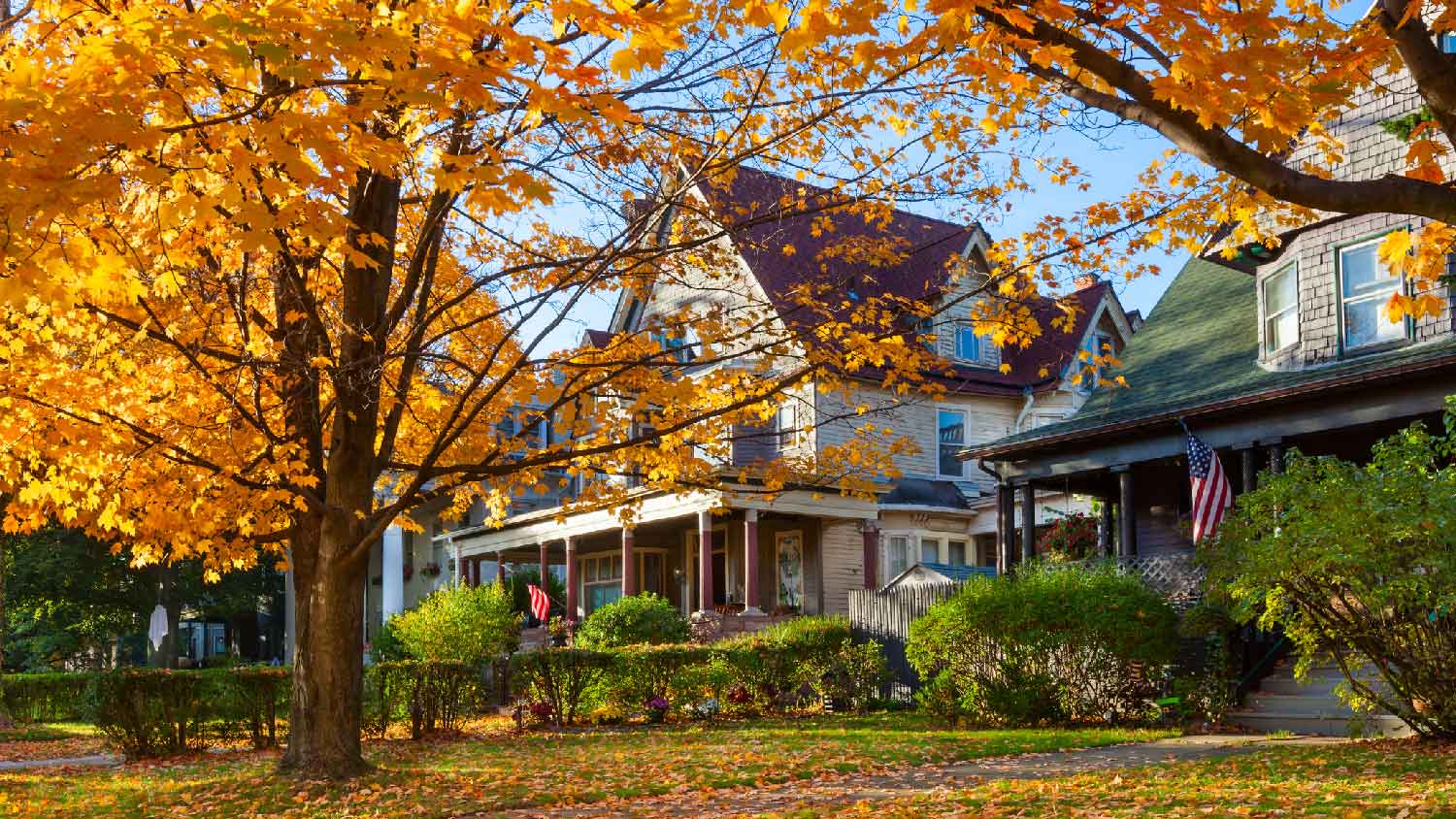
Tree inspections can ensure your trees stay healthy and safe, preventing costly damage. Learn how much tree inspections cost and what can affect the price.
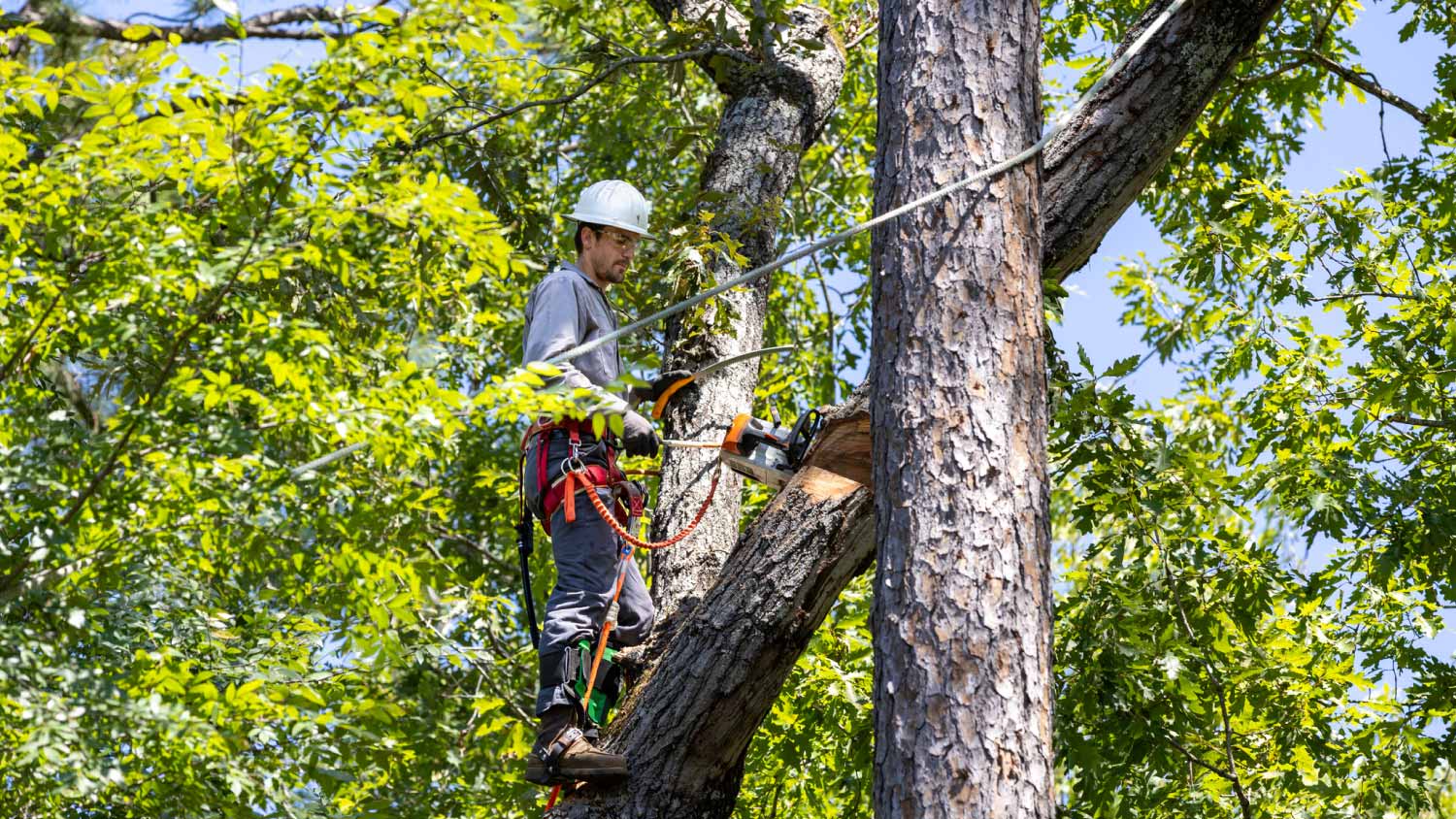
What is an arborist and do they cut down trees? Learn what an arborist is, the services they offer, and when to hire one.
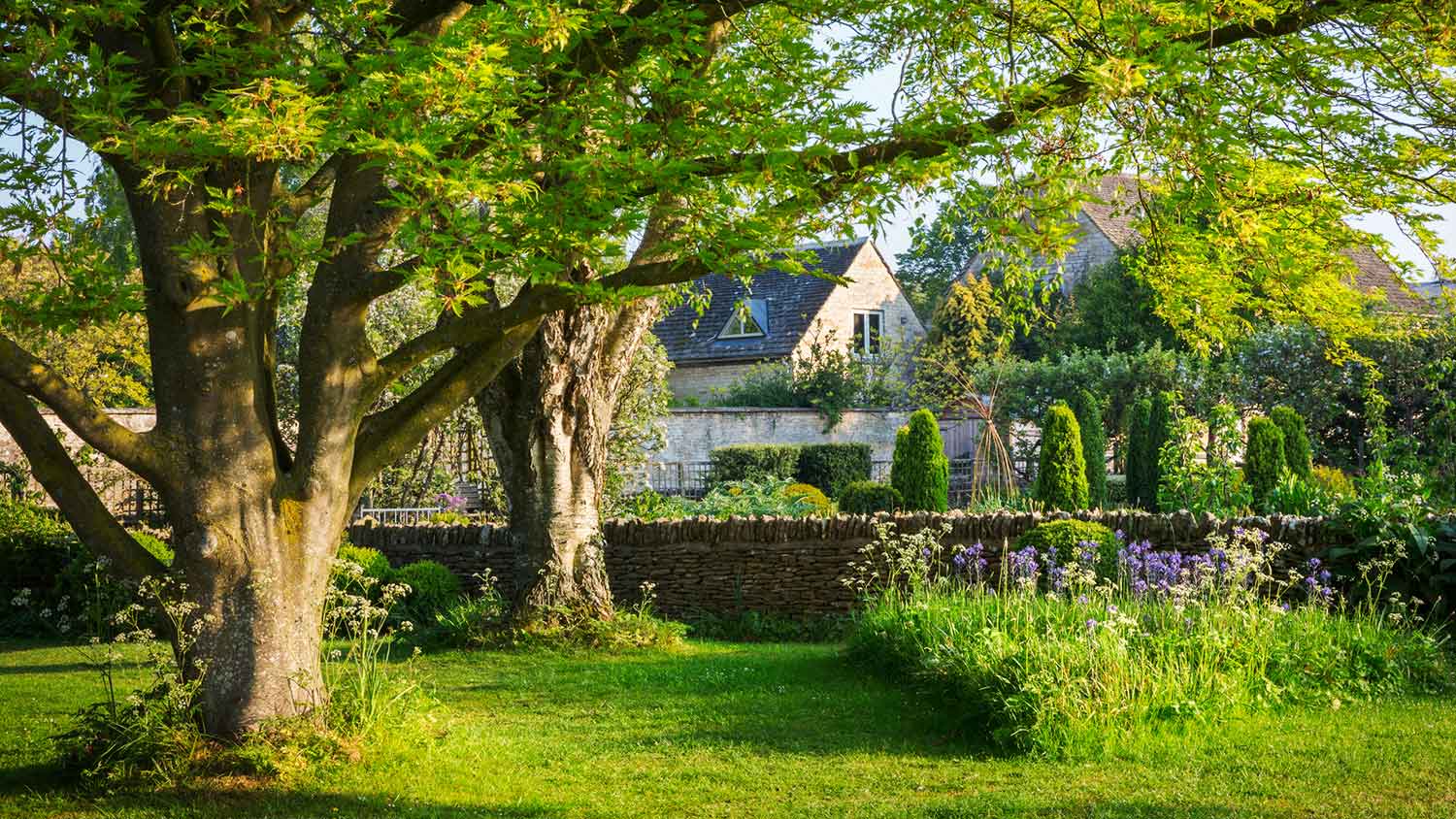
Arborists are specialized tree care experts. This guide will help you hire an arborist with all the qualifications to give your trees the best care possible.
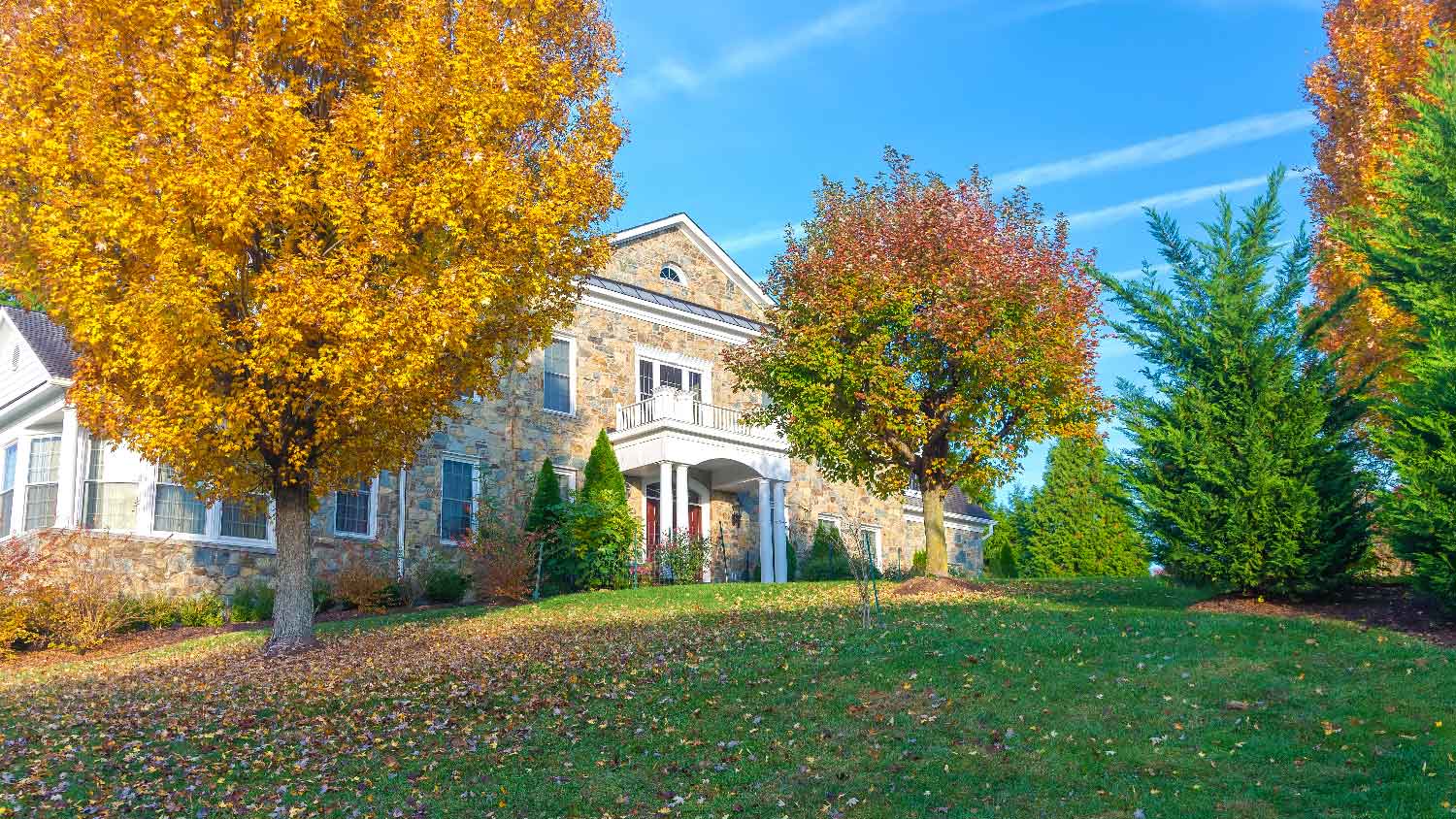
The upkeep and care for your trees should sometimes be left to a professional. Learn all the reasons why so you know when to call an arborist.