




Top-rated arborists.

Get matched with top arborists in Saint Joseph, LA

Enter your zip and get matched with up to 5 pros

Need a pro for your arboricultural service project in Saint Joseph, LA?

Select your specific project to find the pro for you.

Find Arborists in Saint Joseph

Avatar for Split6 Firewood Co.
Split6 Firewood Co.
New to Angi
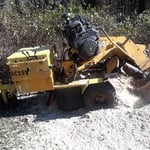
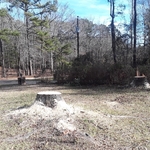
Tree Stump - RemoveTree RemovalTree Trimming

Serving Saint Joseph, LA and surrounding areas

Approved

Free estimates

Small jobs welcome

Credit card accepted

Split 6 is a locally owned, family-operated business dedicated to providing dependable property maintenance and firewood services throughout Avoyelles Parish and the surrounding areas. We take pride in honest pricing, quality workmanship, and showing up when we say we will. Our services include tree removal, stump grinding, bush hogging, limb trimming, debris cleanup, dump trailer services, and dirt or limestone hauling and spreading. We also provide premium oak and pecan firewood for cooking, along with mixed firewood for campfires, available in multiple quantities with delivery options. At Split 6, we’re committed to helping homeowners, camps, farms, and businesses keep their properties safe, clean, and well maintained while supporting our local communities with reliable, professional service.

5 neighbors recently requested a quote
Avatar for Olveda Roofing LLC
Olveda Roofing LLC
5.0(
6
)
Tree RemovalTree Removal - For BusinessTree Stump - Remove+5 more

Serving Saint Joseph, LA and surrounding areas

Free estimates

Emergency services offered

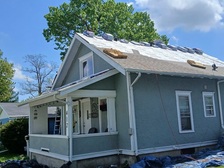
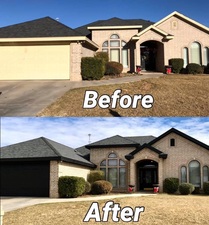
"Mr Jose was very kind and professional. He did a great job repairing my roof. I recommend his services to anyone who needs their roof replaced or repaired. I would absolutely hire them again Thank you again for an excellent job!!!!"
Additional Photos
Additional Photos
Additional Photos
Additional Photos
Additional Photos

+27

Recommended by100%of homeowners
Showing 1-10 of 26
Arborists questions, answered by experts

If executed correctly your tree should survive after being transplanted to a new spot. However, effective transplanting requires six months, careful root pruning, safe transport to the new location, and replanting in prime soil conditions. You’ll also need an appropriately sized root ball for a complete tree transplant. A good rule of thumb is that, for every inch in diameter, your tree’s root ball needs to be around 11 inches. So a tree with a diameter of six inches needs a root ball of approximately 66 inches.

Many consider the Fraser fir to be the most popular type of Christmas tree, but which type of tree sells out near you can depend on region and decorating trends that year. For example, the Leyland cypress is especially popular in the Southeast, according to the National Christmas Tree Association.

The cost of professional tree trimming averages $460, with a typical range between $200 and $760. However, prices can be as low as $75 or as high as $1,800 depending on several factors. The size and type of the tree are major cost drivers; for example, trimming Crepe Myrtle trees costs an average of $80 to $400, while trimming giant pine trees can range from $200 to $1,800. Other factors that influence the price include the time of year, as services are often more costly in the spring. The tree's accessibility and your location also play a role, as a remote or hard-to-reach tree may increase the cost. Some professionals may offer a discount if you have multiple trees to trim.

While trees can grow in the curb strip between the sidewalk and the street, this placement often poses the problem of interfering with overhead power lines. It’s best to consult your local utility provider and tree planting service before transplanting a tree that might grow into power lines. Also, you should never work within 20 feet of a live power line to avoid the risk of electric shock. Tree branches should never touch nearby power lines, so it’s essential to ensure your tree isn’t in danger of growing too close to them.

Whether tree roots will continue to grow after a tree has been cut down depends on the species. Some tree roots will eventually die because they can no longer get nutrients through photosynthesis. However, other species that reproduce through root sprouts can continue to grow and produce new sprouts for seven years or more. For example, the roots of elms, ficus, and willows tend to regrow aggressively, while the roots of pines, oaks, and maples will typically die. To determine if a root system is still active, look for new sprouts on the old trunk, stump, or any exposed roots.

The Saint Joseph, LA homeowners’ guide to arboricultural services

From average costs to expert advice, get all the answers you need to get your job done.