Taylor Tree Service is your one stop shop for all tree service needs. We take pride in every job that we do, big and small. We form lasting relationships with all of our clients. We look forward to earning your business, call today for a free estimate!
We are a family owned business. We have over 30 years combined experience and take pride in all the work we do and strive for excellence in customer satisfaction. Our company offers a wide range of services including excavation, grading, haul and delivery of dirt, sand, and rock, culvert installation, drain and basin installation, stump removal, small to medium tree removal- land clearing, demolition, water line installation, sewer line installation, ditch clean out, fence row clearing, bush hogging, fence installation and repair, and concrete form preparation.
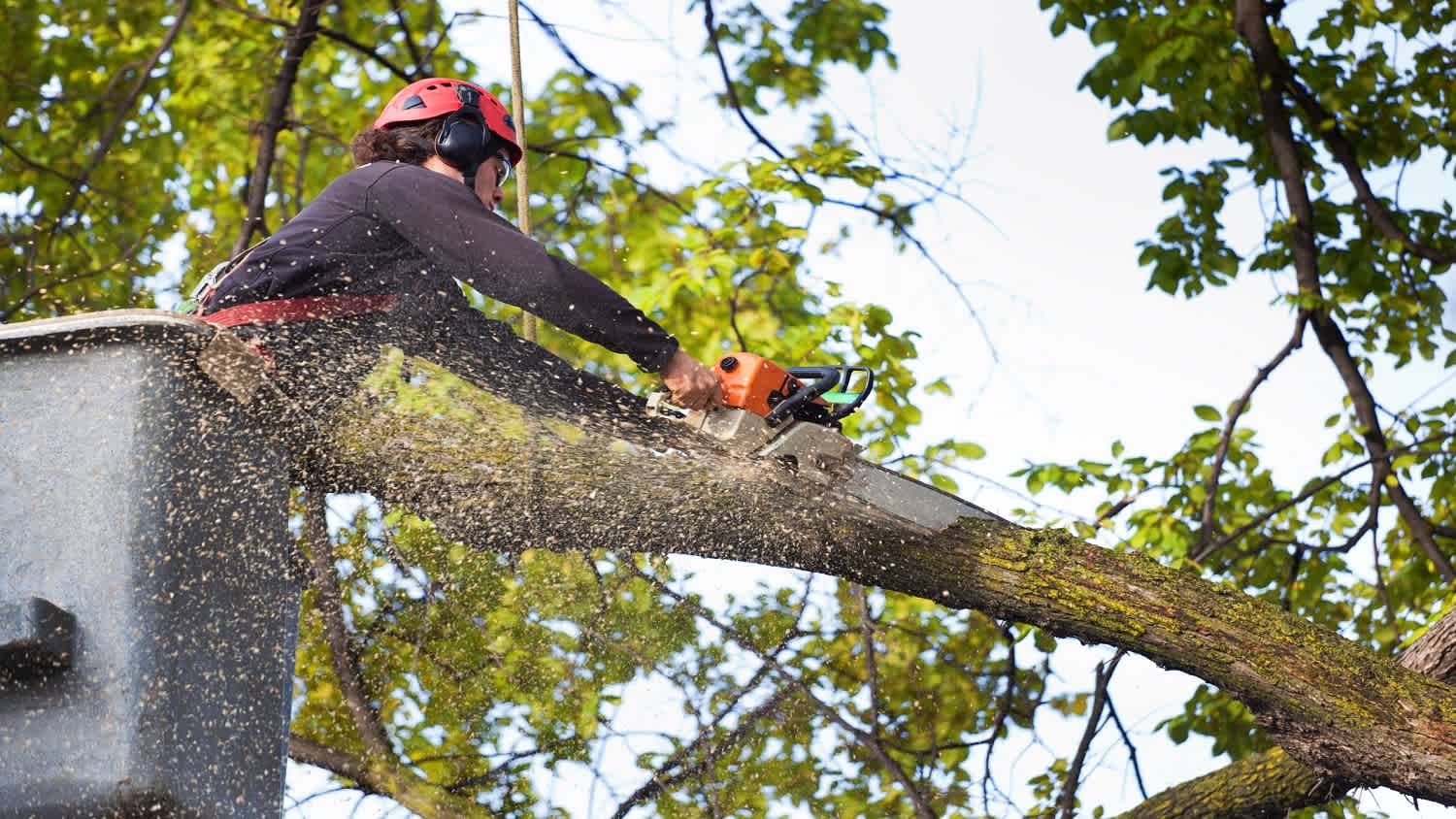
We are a locally owned and operated company that values honesty and integrity and treats your property with respect and care. We offer tree trimming and removal services that are customizable to the needs of the home or business owner. We pride ourselves on the quality of our work as well as our commitment to outstanding results. We look forward to building lasting relationships with our clients and guarantee your satisfaction!
Just starting out on my own have worked for several larger tree businesses in the past I just really enjoy the type of work and always enjoy the smile on the customers face when the job is done
"Definitely would call JJ's again to have trees removed! We had a rather large job on my grandparents property in Abita and they were quick to respond with a reasonable quote. The men were professional and didn't leave a mess all over the lawn. After grinding the stumps down it was like you could never tell trees were there."
We take great pride in our experience, expertise, quality, and customer service that we provide to meet the consumers' needs. It is our mission to provide excellent workmanship, and complete customer satisfaction from start to completion of a project. In order to understand the needs, and expectations of our customers, we take great care to work, and communicate with every customer in a professional manner. Our reputation is based on service, safety, and quality, regardless of how large or small the job.
We are a locally owned and operated company that values honesty and integrity and treats your home as if it were our own. You will find us to be competitively priced, paying close attention to the details of each and every project that we are involved with. We look forward to building lasting relationships and guarantee your satisfaction!
We are committed to excellence in every aspect of our business. We uphold a standard of integrity bound by fairness, honesty, and personal responsibility. Our distinction is the quality of service we bring to our customers. Accurate knowledge of our trade combined with ability is what makes us true professionals. Above all, we are watchful of our customers' interests, and make their concerns the basis of our business.
\n
We are a locally owned and operated company that values honesty and integrity and treats your property with respect and care. We offer tree trimming and removal services that are customizable to the needs of the home or business owner. We pride ourselves on the quality of our work as well as our commitment to outstanding results. We look forward to building lasting relationships with our clients and guarantee your satisfaction!
We recommend removing the stump, and grinding is a popular way to do it. You can also dig out small stumps or stumps that have fully decayed instead of grinding them. However, don’t try using acids or fire for killing a tree stump, which is a fire hazard and illegal in many areas.
Leaving the stump alone invites eventual problems, including attracting termites, mold, and fungi.
Pruning trees during the summer can be a bad idea because the new growth will take place during the hottest months of the year, which can stress your tree out. Similarly, pruning during the early fall can be a bad idea, too, because you’d be stimulating new growth when most trees are aiming to go dormant.
Pruning recommendations will vary by the type of tree, but generally, waiting until winter to prune your trees is a good idea.
You should not trim an oak tree in the summer. Oak trees are especially susceptible to disease, and open tree wounds are an invitation for beetles that carry tree-killing fungus. If there’s no risk that the oak tree will do damage to your property or hurt someone, it’s best to save the trimming for fall or winter. If you can, seal the wound with latex to prevent fungus from getting inside.
A dead tree should always be cut down, because it could fall and cause injuries or damage, and it can also attract insects like carpenter ants. A tree that’s diseased beyond repair should also be cut down, but it’s not always easy for a homeowner to tell. Signs of disease include dying branches, a hollow trunk, leaning, and discolored or missing leaves, but your best bet is to hire a local arborist who can evaluate the tree and tell you if it can be saved or should be cut down.
Some people prefer to leave or even carve a leftover stump, but we recommend removing it if possible. You can often dig out smaller trunks with a shovel once they have died and dried out. You can have stumps professionally removed, or request a service to grind them down to ground level so they can be replaced with other landscaping or objects.
The Richmond, LA homeowners’ guide to tree services
From average costs to expert advice, get all the answers you need to get your job done.
If you're dreaming of rocking around your—professionally decorated—tree this season, this is how much a Christmas tree decorating service will cost you.
How much does an arborist cost? This guide explains the cost of different services, ongoing expenses, and other factors to consider when hiring an arborist.
Get a clear estimate of palm tree maintenance cost, including trimming, fertilization, and pest control, so you can keep your palms healthy and your budget on track.
You suspect that the leaning oak tree in the back needs to come down, but can you just handle it yourself? Here are the pros and cons of calling a tree service.
Are there insurance requirements for tree services? Whether you’re having your trees trimmed or finally removing that old oak from your front yard, you’ll want to make sure your tree company or contractor has these two types of insurance, at minimum.