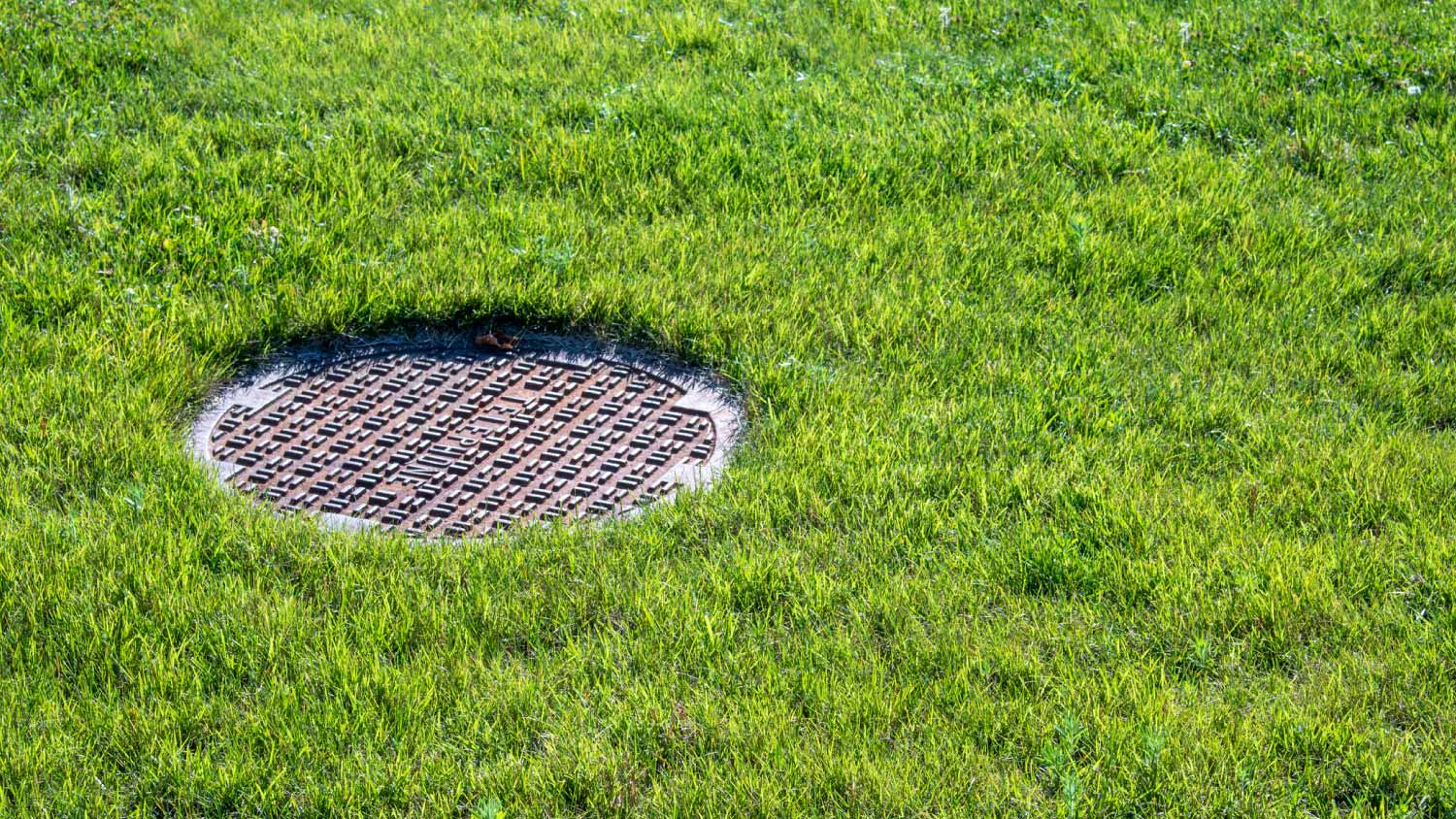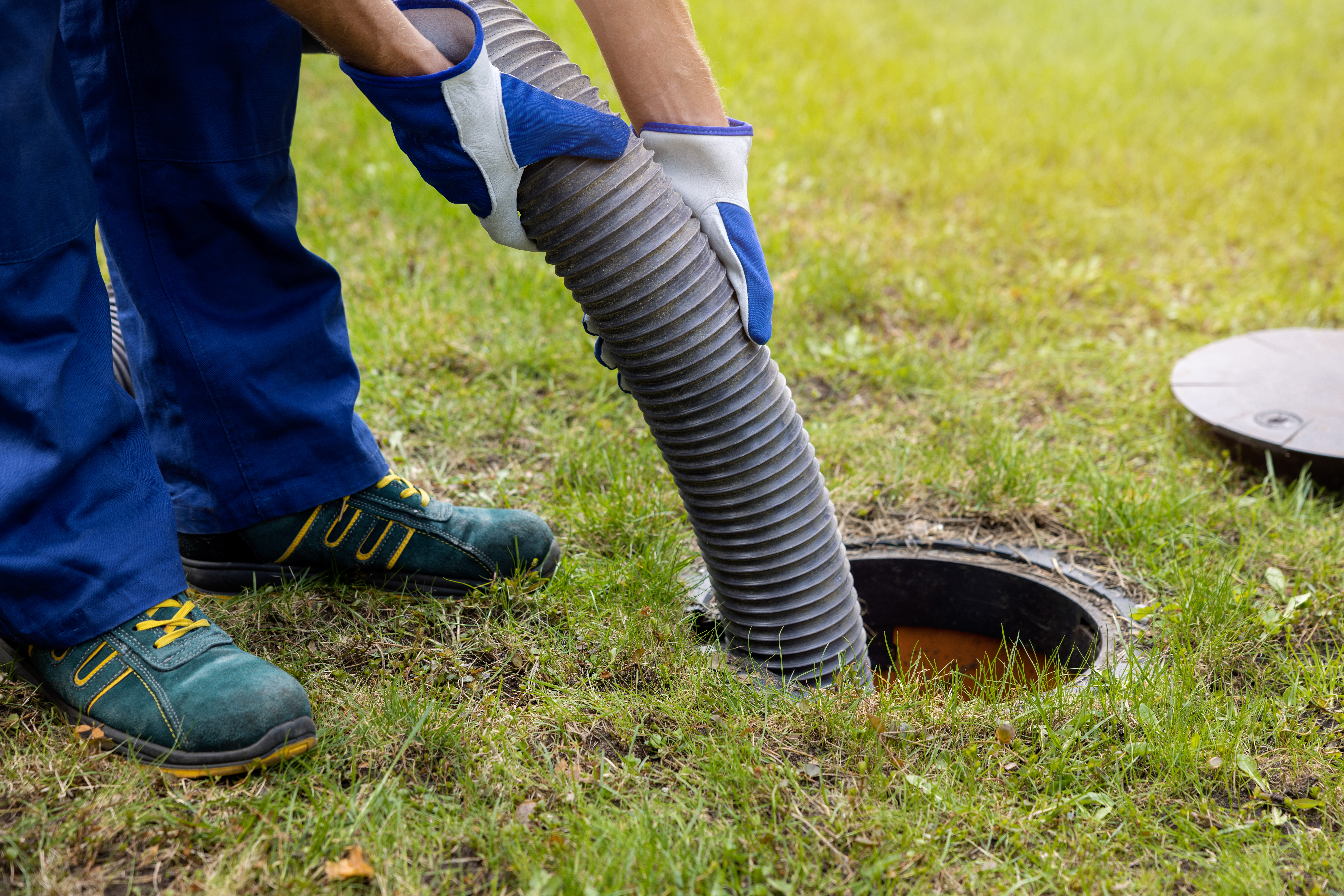







Top-rated septic tank pros.

Get matched with top septic tank pros in Morse, LA

Enter your zip and get matched with up to 5 pros

Need a pro for your septic tank service project in Morse, LA?

Select your specific project to find the pro for you.

Find Septic tank pros in Morse

T.C.G. Property Services, LLC
5.0(
2
)
Septic System - Install or ReplaceSeptic System - Repair

Serving Morse, LA and surrounding areas

In business since 2015

Free estimates

Credit card accepted

We take great pride in our experience, expertise, quality and customer service that we provide to meet the consumer needs. It is our mission to provide excellent workmanship and complete customer satisfaction from start to completion of a project. In order to understand the needs and expectations of our customers, we take great care to work and communicate with every customer in a professional manner. Our reputation is based on service, safety and quality regardless of how large or small the job.

Response time7 hrs
Recommended by100%of homeowners

Septic Tanks questions, answered by experts

Most septic tanks need to be emptied every 3 to 5 years, but it’s a good idea to monitor the fill levels of your septic tank all the time. You can do this by installing a pressure level sensor to detect the internal tank pressure, or by having a septic tank company perform an annual inspection to let you know when you’ll need to pump the tank.

Bladder and diaphragm well pressure tanks are usually pre-charged at the factory. Even so, it’s important to check the air pressure in the tank using a tire pressure gauge on the relief valve. The instruction manual usually calls for 28 psi. Use a hand pump to add more air or release some air from the tank to reach the desired number. Check the pressure periodically to see if you need to add more air to the tank.

Recognizing signs of a failing septic system is crucial to prevent costly damage and health hazards. Foul odors in and around your home, slow drainage in sinks and toilets, or gurgling noises in plumbing fixtures can indicate problems with drainage. Lush, green patches of grass near the drain field or wastewater pooling on the ground are alarming signs that may indicate a leak in the system. If you notice any of these symptoms, it's vital to address them promptly to avoid more extensive and expensive issues.

There are a couple of ways you can determine the depth of your well. One method is to use a device called a well sounder. This tool has a long measuring tape containing a sensor to alert you once the end reaches the water. 

Or you can DIY it by using a long tape measure with a half-filled bottle of water attached to it. Lower the tape measure into your well. Once you feel tension on the tape, you’ll know the bottle has reached your static water level. This will give you an approximate idea of your well’s depth.

Unlike an urban sewer system that runs wastewater into a central drainage system, septic tanks are a house-by-house system. They are the ultimate destination for all your house’s wastewater—from bathtubs, showers, sinks, toilets, and washing machines. Wastewater flows into a tank buried in the ground outside your home, and then water runs from the tank to a drainage field using sloped pipes.

The Morse, LA homeowners’ guide to septic tank services

From average costs to expert advice, get all the answers you need to get your job done.