
Top-rated electricians.

Best electricians near Maringouin, LA

Enter your zip and get matched with up to 5 pros

Need a pro for your electrical service project in Maringouin, LA?

Select your specific project to find the pro for you.

TRUSTED BY MARINGOUIN, LA HOMEOWNERS

  • Average homeowner rating star icon4.6
    Average homeowner rating
  • Verified reviews icon11
    Verified electrical services reviews

Top-Rated Electricians in Maringouin - Updated Nov 2026

Avatar for Mr. Electric of Baton Rouge
Mr. Electric of Baton Rouge
4.3(
59
)
Electrical Switches, Outlets & Fixtures - Install or RepairCeiling Fan - InstallElectric Vehicle Charging Station Installation - Materials Not Provided+8 more

Serving Maringouin, LA and surrounding areas

Approved

In business since 2009

Free estimates

Emergency services offered

"This electric company is the best that has ever come to our home. The service provider, Jacob, was on-time, courteous, knowledgeable, and very pleasant to work with. He was able to pinpoint the problem in just a few minutes and fix the problem. He also made sue everything was working properly through the house before he left. Thank you for your service to us."
Projects
Projects
Projects
Projects
Projects

+4

70 neighbors recently requested a quote
Recommended by75%of homeowners
Avatar for Corrigan, LLC
Corrigan, LLC
4.8(
25
)
Lightning Protection - Install or Repair

Serving Maringouin, LA and surrounding areas

Approved

In business since 1954

Free estimates

Emergency services offered

"Mr. Corrigan and sons were very professional and installed the lightning rod system quickly and with attention to detail, using all copper. Very pleased with this company."
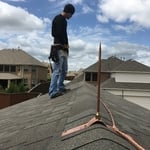
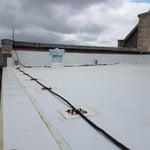
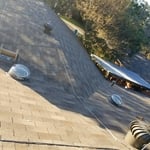
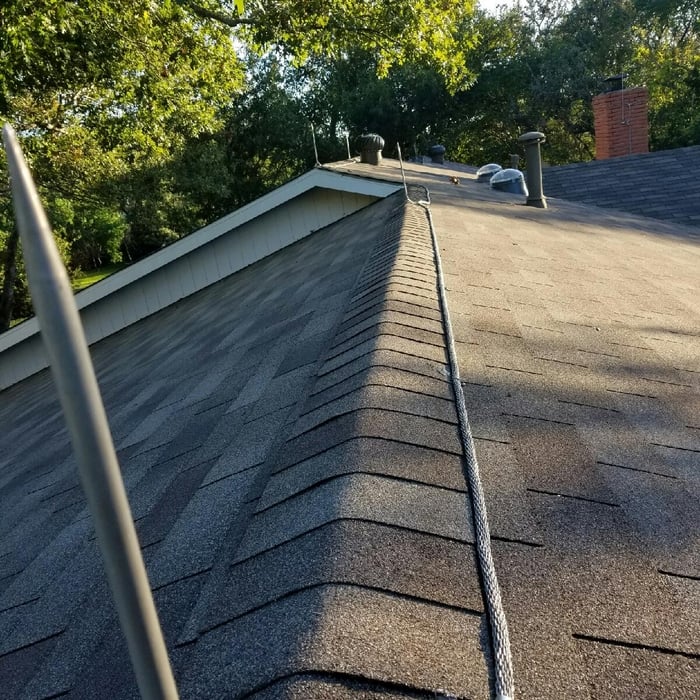
Shingle roof air terminal
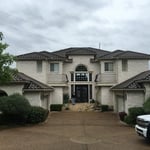
Residential 1
Residential Spanish tile
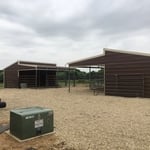
Horse stable
Residential 2

+23

Response time1 day
16 neighbors recently requested a quote
Recommended by100%of homeowners

Avatar for Optimize EGS
Optimize EGS
4.9(
29
)
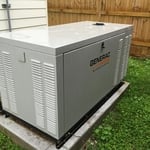
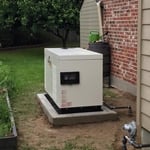
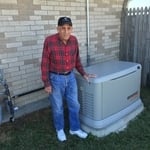
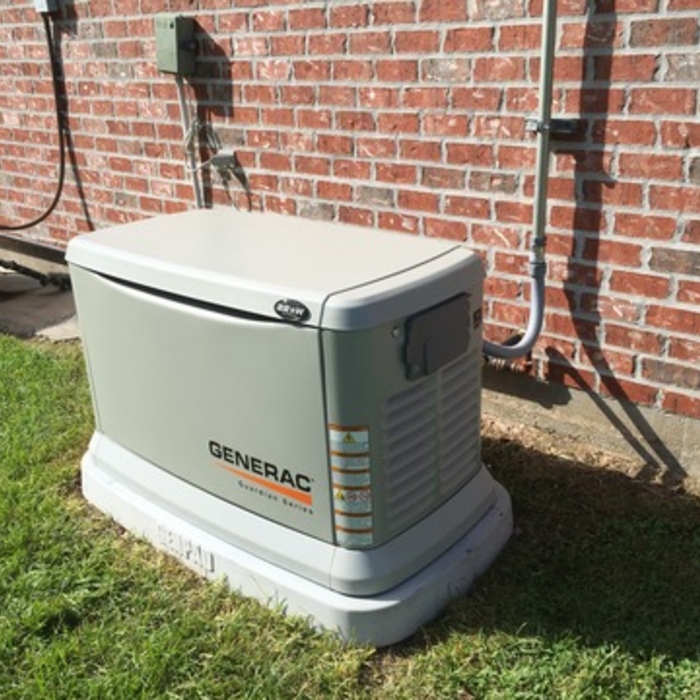
Fixed Generator - Install

Serving Maringouin, LA and surrounding areas

Approved

In business since 2010

Free estimates

Emergency services offered

"The evaluation to determine generator size was excellent. Very detailed by a very knowledgeable gentleman. Answered all my questions and further advised those things I should want to follow on installing my generator. Optimize were right on schedule the stated day of installation. Excellent young crew, very knowledgeable and worked together very well. They were able to install the generator and electrical, had to wait on trenching the gas line as to wet and muddy in my back yard. Follow the end of the week, once things dried up they trenched and laid the gas line and test rain the generator. Optimize applied for all permits, a complete turn-key job done excellent. I would highly recommend these guys for any of your generator needs!"
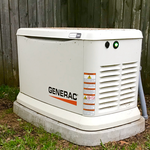
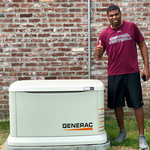
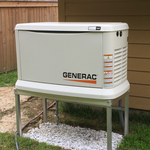
GENERAC Liquid Cooled Gen
30kW Liq Cooled Generator
Plaquemine LA - 22 kW
GENERAC Air Installations

+16

Response time5 days
Response rate100%
9 neighbors recently requested a quote
...
Showing 1-10 of 186
Electrical FAQs, answered by experts

When converting a standard 120-volt outlet to a 240-volt outlet, the only components you can typically reuse are the existing electrical box and the hole in the wall. Everything else—including the wiring, breaker, and receptacle—should be replaced to ensure both safety and efficiency. Appliances designed for 240 volts have different plug configurations that won’t fit into a standard 120-volt outlet, making it necessary to install a compatible 240-volt receptacle. This design helps prevent overloading or underloading the power available to any one outlet or circuit.

No, technically, the original Federal Pacific (FPE) breakers are no longer available. Stab-Lok® circuit breakers from the now-defunct Federal Pacific Electric Company (FPE) are no longer produced. However, the trademark and manufacture of the Stab-Lok® brand of breakers has been passed through a series of parent and subsidiary companies. Black and gray versions of the circuit breaker have been produced by these companies, with sales rights in the U.S. and Canada shifting back and forth.


No. Blue wires and black wires are different. Even though both are used as hot wires, they serve different functions. Black wires are far more common in residential properties. They are always hot, can be positive or negative, and usually carry electricity from a power source to an outlet. Blue wires have a specialized usage in residential properties, generally as traveler wires, and are more common in commercial properties.

Yes, but our analogy with the water hose doesn’t really work here. You see, electrical flow isn’t constant: It ebbs and flows like waves, coming in pulses of power. Hertz measures the rate of change in the flow of electricity, or how often it ebbs and flows. For example, 60Hz means that the electrons pulse through wiring 60 times per second. When they are pulsing, they’re in a brief retreat. Almost all United States equipment is rated for 60Hz.

While washers and dryers do not require a GFCI (ground fault circuit interrupter) outlet to function properly, electrical codes often mandate their use for safety. The National Electrical Code (NEC) requires GFCI protection for all outlets within six feet of a water source. This means a washer and dryer must be plugged into a GFCI outlet if they are installed in locations like a laundry room, utility room, garage, or basement. In other areas without a nearby water source, there is no specific requirement, but using a GFCI outlet is still recommended for extra peace of mind. It is always best to consult your local codes and regulations to ensure compliance and safety.

The Maringouin, LA homeowners’ guide to electrical services

From average costs to expert advice, get all the answers you need to get your job done.