

Top-rated concrete driveway pros.

Best concrete driveway pros near Cade, LA

Enter your zip and get matched with up to 5 pros

Need a pro for your concrete driveway service project in Cade, LA?

Select your specific project to find the pro for you.

TRUSTED BY CADE, LA HOMEOWNERS

  • Average homeowner rating star icon4.1
    Average homeowner rating
  • Verified reviews icon35
    Verified concrete driveway services reviews

Top-Rated Concrete driveway pros in Cade - Updated Nov 2026

JDS Concrete Construction
5.0(
23
)
Concrete Flatwork - Repair & ResurfaceConcrete Patios, Walks & Steps- Install

Serving Cade, LA and surrounding areas

In business since 2021

Free estimates

Credit card accepted

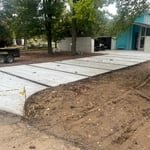
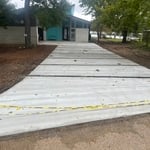
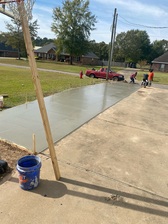
"Jarrett and his co-workers did two awesome projects at my home today (03/01/2021) ...... made a patio over my closed inground swimming pool and framed and poured a walkway from my driveway to the front door. Jarrett and his crew did this in a timely, professional, and courteous manner. The projects' cost was very, very, reasonable! The crew was very easy to talk with and they made sure that I was satisfied with their work before leaving. I would recommend Jarrett and his co-workers to anyone interested in a concrete project."
Response time2 hrs
Response rate100%
Recommended by90%of homeowners
...
Showing 1-10 of 72
Concrete Driveways FAQs, answered by experts

The ideal frequency for pressure washing depends on the surface being cleaned and your local environmental conditions. For a home's exterior with siding that is safe to wash (such as vinyl, cement, or aluminum), a full wash once or twice a year is a good guideline to remove accumulated dirt, grime, mold, and mildew. You may need to wash more frequently if you live in an area with heavy rain or snow, near a dirt road, or if you notice excessive buildup. Other surfaces have different schedules; for example, a frequently used driveway may need cleaning more often, while outdoor patio furniture might only need to be washed every few years. Use your discretion based on how dirty the area gets.

You should avoid using a pressure washer on any surface or item that could be damaged by the high-pressure spray, as some materials are too delicate to withstand the force.

Key items and surfaces to avoid include:

  • Electrical Components: Never pressure wash electrical systems, as water can cause short-circuits and create a safety hazard. This includes utility meters, breaker boxes, electrical outlets, generators, and HVAC or air conditioner units.

  • Delicate and Fragile Materials: Fragile items can crack, shatter, or be stripped by the pressure. Avoid pressure washing windows, glass, light fixtures, shingled roofs (especially asphalt), and stucco.

  • Painted, Stained, or Sealed Surfaces: Unless your goal is to strip the finish, do not pressure wash painted surfaces, stained wood (like decks), or anything with a protective seal that could be stripped away. Be especially cautious with older surfaces that may contain lead paint.

  • Soft Woods and Certain Decking: Delicate surfaces like softwood, composite decking, and antique or wooden patio furniture can be etched or damaged. If you must wash wood, use a lower-powered pressure washer with a wide-angle nozzle to prevent damage.

  • Living Things: Never use a pressure washer on people, pets, or plants. The force can cause serious injury and will destroy landscaping.

Some homeowners have luck using pressure washers, but this only works for old or weaker concrete sealants and with very powerful pressure washers. You’ll get better results by pressure washing water-based sealants. However, it’s worth trying on any sealant if you’re hoping for the least toxic, least expensive, and most DIY-friendly option. To try this method, rent or buy the most powerful pressure washer you can find and take several passes at the concrete, completely pressure washing the entire area. You may need to repeat the process multiple times to see results.

You should wait until your pavers have completely dried and cured before pressure washing them. Wait at least three to five days, though some sealants may need up to an entire week. Rushing that timeline can mess with the finish, weaken the seal, or leave streaks that are tough to fix. Once the sealant has fully set, stick to a gentle approach. Keep the pressure under 1,500 PSI and hold the nozzle at least two feet from the surface. Anything stronger or closer can blast the joint sand loose or wear down the sealant you just applied.

Experts typically recommend pressure washing your driveway at least once per year to keep it looking great while preventing stains, cracks, and unwanted vegetation. However, if your driveway gets a lot of use, you might want to pressure wash it more often to keep it looking like new. 

The Cade, LA homeowners’ guide to concrete driveway services

From average costs to expert advice, get all the answers you need to get your job done.