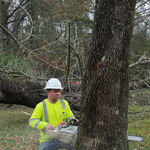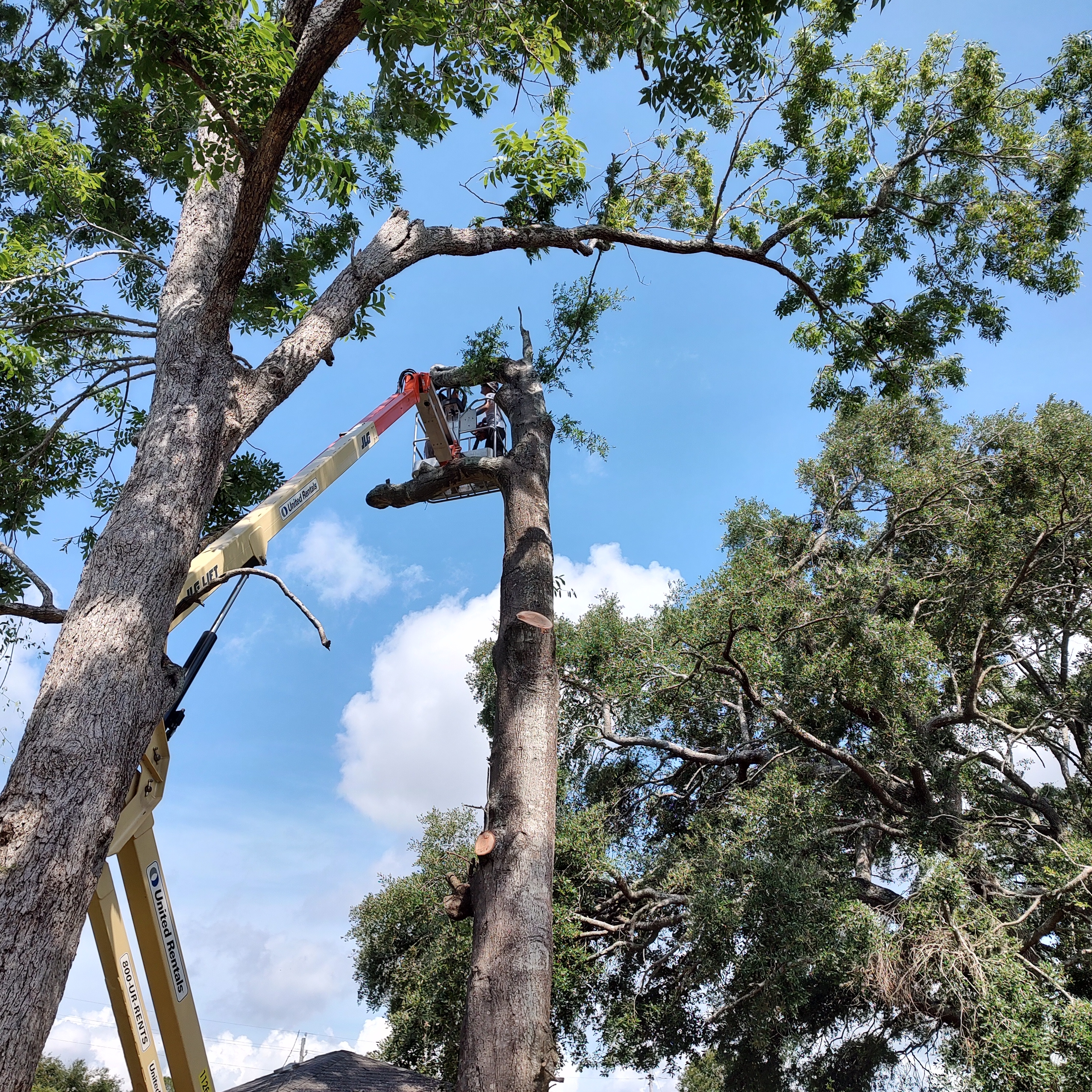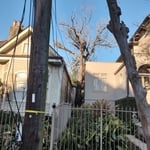




Top-rated arborists.

Get matched with top arborists in Angie, LA

Enter your zip and get matched with up to 5 pros

Need a pro for your arboricultural service project in Angie, LA?

Select your specific project to find the pro for you.

TRUSTED BY ANGIE, LA HOMEOWNERS

  • Average homeowner rating star icon4.8
    Average homeowner rating
  • Verified reviews icon23
    Verified arboricultural services reviews

Find Arborists in Angie

Avatar for Quality Tree Service
Quality Tree Service
4.5(
43
)

Serving Angie, LA and surrounding areas

Approved

Super Service Award Winner

Credit card accepted

Customers say: True professional

"I highly recommend Quality Tree Service to anyone in need of tree work. Having had three huge Water Oaks cut down, I was incredibly impressed by how highly skilled and efficient Jeremy and his team were at taking down such large trees. I also appreciated how they removed all the debris, leaving the lawn neat and clean. Furthermore, you simply can't beat the price for such quality work. I am definitely keeping his number on hand for any future needs."
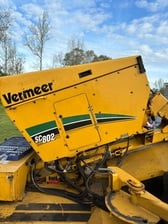
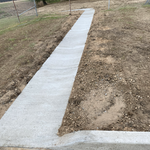
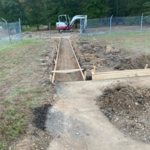
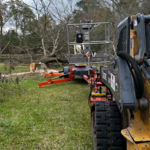
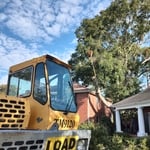
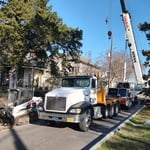
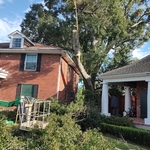
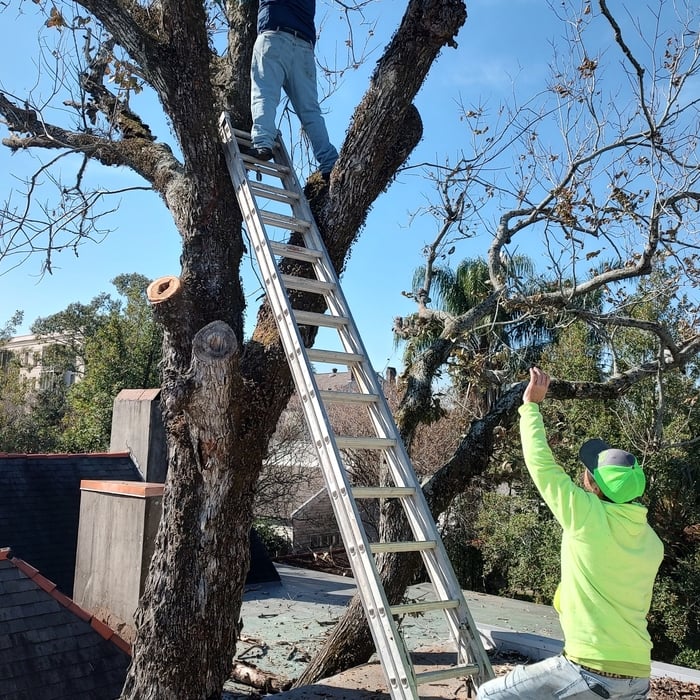
First step
First cut of branches
Prepping and stagging
Removing a huge live oak next to a house
Started the removing

+25

Response time1 day
7 neighbors recently requested a quote
Recommended by74%of homeowners
Showing 1-10 of 48
Arborists questions, answered by experts

Deciduous shade trees (the type of trees whose leaves fall off in autumn) need to be pruned in late winter—between February and March. That’s because it’s easier to find and remove sick or dead branches when no leaves are present. And wounds close and heal faster in colder temperatures so pruning them at this time also makes them less prone to infection.

Depending on the severity of the damage, a tree might continue healing for years after a split or a break. Saplings can usually bounce back in the spring in one or two seasons, but larger trees might take a few years to regain their former strength. If your tree is showing strong growth and is not dropping limbs, you can consider it healed after the first two seasons.

Carefully pruning small roots no thicker than three inches in diameter won’t harm the tree. However, cutting larger roots may impact the tree's stability and nutrient absorption. It's advisable to consult an arborist or tree care professional to evaluate the root's size, the tree's health, and the potential impact of cutting. Proper tree pruning techniques and timing can minimize damage, but larger root removal may necessitate expert guidance to avoid compromising the tree's overall health and stability.

Homeowners are usually not responsible for trees that fall on power lines. Power companies usually have utility easements around power lines, which give them the responsibility to maintain any trees within about 15 to 20 feet of the lines.

Tree experts don’t advise against digging through tree roots, but instead encourage caution and consultation with a local arborist to make sure you don’t damage the tree’s structure or interrupt its water or nutrient intake. An arborist can recommend specific practices when digging and help prune the roots or dig a trench for utilities with a tool that can remove soil without touching the tree’s roots.

The Angie, LA homeowners’ guide to arboricultural services

From average costs to expert advice, get all the answers you need to get your job done.