




Top-rated fencing pros.

Get matched with top fencing pros in Flemingsburg, KY

Enter your zip and get matched with up to 5 pros

Need a pro for your fencing service project in Flemingsburg, KY?

Select your specific project to find the pro for you.

Find Fencing pros in Flemingsburg

Mobile Welding
New to Angi
Barbed Wire Fence - InstallBarbed Wire Fence - RepairChain Link Fence - Repair or Alter

Serving Flemingsburg, KY and surrounding areas

Approved

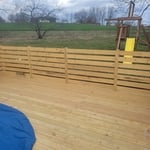
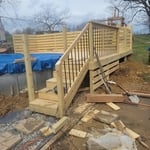
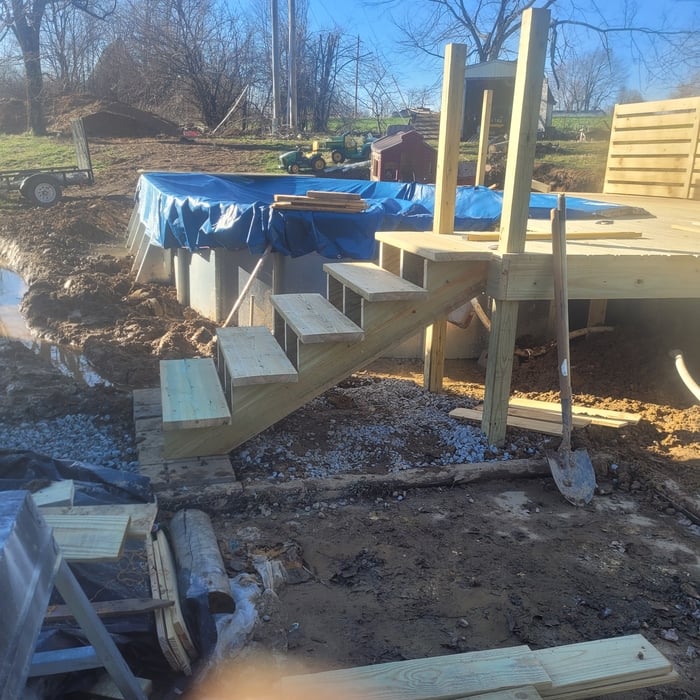
About Me\nHi, I’m a certified mobile welder and fabricator with years of hands-on experience working with steel, aluminum, and stainless. I specialize in custom fabrication, automotive welding, heavy equipment repair, and structural work. Whether you need a small repair or a fully custom build, I bring quality workmanship, attention to detail, and a commitment to getting the job done right the first time.\n\nI’m reliable, mobile, and can come to you with all the equipment needed to complete your project safely and efficiently. I take pride in delivering strong, clean welds and professional results every time.\n\nIf you’re looking for someone who’s dependable, skilled, and easy to work with, I’d be happy to help with your next project.
Showing 1-10 of 44
Fencing questions, answered by experts

If you’re looking for a budget-friendly fence material, corrugated metal could be the answer. Metal fences cost about $7 to $32 per foot. Aluminum corrugated metal tends to be less expensive than steel. Both options are similar in cost to wood, so, depending on the type of wood you are considering, corrugated metal could be better for your budget.

Yes, fence posts need to be installed below the frost line to ensure stability and prevent heaving caused by freezing and thawing cycles. The frost line is the depth at which soil freezes during winter. By placing posts below this line, often around 3 to 4 feet deep or as recommended for your specific region, you reduce the risk of the ground shifting, which can lead to leaning or unstable fences. Adequate depth provides better anchoring and helps maintain the fence's integrity, ensuring it remains secure and upright throughout changing seasons.

A fence installer or homeowner should place a snow fence upwind of the desired drift area, while keeping the prevailing wind direction in mind. When installing a snow fence, its posts should be sturdy, as they will be the weakest areas in terms of tensile strength. Posts should be buried at one-third their height and placed no more than eight feet apart.

Whether you need a permit to build or install a fence depends on several factors, including your location, the fence's height, its placement in your yard, and the materials used. In many cities and highly populated areas, a permit is required, especially for fences taller than 6 feet. Conversely, rural areas may have fewer restrictions. Typically, backyard privacy fences 6 feet or shorter do not require a permit, while front yard fences often have a lower height limit, sometimes as low as 3.5 feet. There can also be exceptions for properties in mixed residential-commercial zones. It's best to check with your local building inspection or zoning department to understand the specific requirements, height restrictions, and location rules for your area. A professional fence installer can help you navigate this process and often secure the necessary permits for you, though this may extend the project timeline.

Costs depend on material quality, fence length and height, installation complexity, and customization choices, but they average $20-$40 per linear foot.

The Flemingsburg, KY homeowners’ guide to fencing services

From average costs to expert advice, get all the answers you need to get your job done.